Pour-Over Second Extraction: Can the Same Coffee Grounds Brew Better Flavor?
Introduction: Have you ever wondered if brewing the same coffee grounds twice can make your coffee sweeter and richer? This article compares light, medium, and dark roasts through hands-on testing to explore how a second pour affects flavor. From parameter settings to actual taste changes, we analyze the feasibility and techniques of this special brewing method, helping you find a hidden way to enhance coffee flavor.
In conventional coffee making—whether pour-over, espresso, or cold brew—it is generally recommended to extract only once. This is because by properly adjusting grind size, water temperature, and coffee-to-water ratio, we can fully extract the positive flavor compounds in a single brew and achieve the best taste. However, a rather unusual practice has recently drawn attention: pouring the already-brewed coffee liquid back over the coffee grounds for a "second extraction," which is claimed to enhance sweetness and body.
Though it may sound implausible, this method—called "double pour-over"—has indeed been tried. To verify its effects, the experiment used three coffees of different roast levels: a medium-dark roast, a medium roast, and a light roast. By comparing the flavor differences between the first and second extraction, we gained insight into the feasibility of this method.

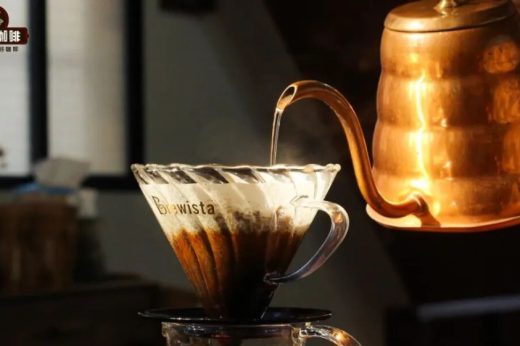
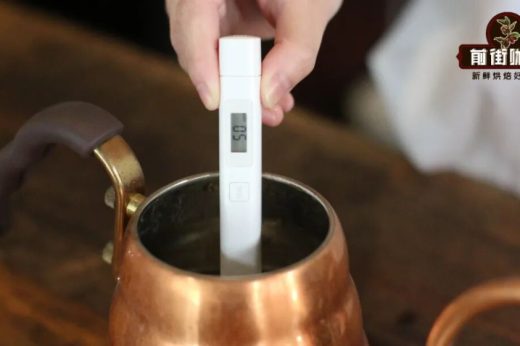
In the experiment, a uniform dose of 15 grams was used, with a coffee-to-water ratio of 1:15. Water temperatures were set to 88°C, 90°C, and 93°C according to the characteristics of each bean, and grind size was controlled between EK43s-10 and 10.5, or C40-24 to 26 (approximately 75%–80% passing a #20 sieve). Common V60 and KONO drippers were used, and the brewing technique was the standard three-pour method.
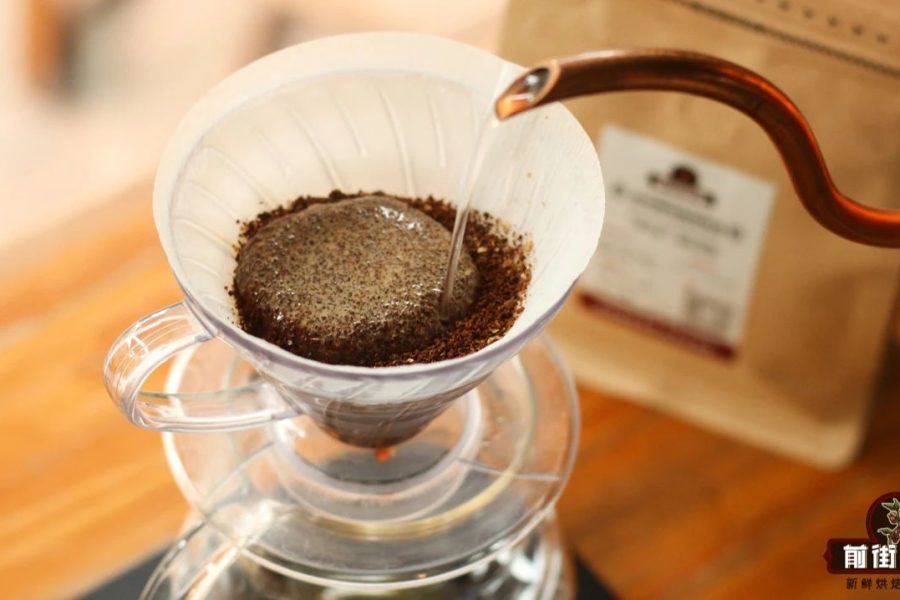
The three-pour method proceeds as follows: first, pour 30 grams of water for a 30-second bloom; then, with a faster flow, pour 110 grams of water—this stage mainly lifts the coffee bed, so the stream should be vertical and even, bringing the total to 140 grams and completing at about 55 seconds. Next comes the third pour: slowly add 85 grams of water with a smaller flow, keeping the stream steady to avoid disturbing the bed structure. The final total is 225 grams, and drawdown typically finishes between 2:00 and 2:10.

After the first extraction, the experimenter took half of each brewed coffee (about 90–100 ml) and poured it back over the coffee bed in the dripper for a second extraction. This process requires no complex technique—just control the stream when pouring to avoid the liquid level rising too high and leaking through the dripper's ribs, ensuring even and full extraction.


From the actual tasting results, coffees of different roast levels performed differently after the second extraction. Take the medium-dark roast: the first brew presented rich aromas of chocolate, roasted almond, and cream, with a slight bitterness but a clear sweet finish; after the second brew, caramel notes were more prominent, the coffee was noticeably stronger, and the body fuller, but the bitter finish lingered longer.
The medium roast showed nutty and raspberry acidity in the first round, with a distinct black tea finish and an overall balanced mouthfeel; after the second extraction, acidity and nutty aromas increased, chocolate flavor became more pronounced, overall intensity rose, and a good balance was still maintained.
The light roast displayed bright sweet-tart flavors in the first round, such as jasmine, yellow lemon, and peach, with berry sweetness as it cooled and a clean, low-bitterness cup; after the second brew, acidity increased, flavors shifted toward dried fruit, raspberry, and nuts, and the mouthfeel became fuller, though some of the original fresh aromas were masked.

Overall comparison revealed that when the coffee beans are of high quality and parameters are well controlled, second extraction can indeed enhance overall intensity and body. However, note that this method is better suited to light to medium roasts, especially beans with vivid fruit notes or natural-process flavors.
For light to medium roasts, the first extraction often brings out sweet-tart compounds and some finish aromas, while a second pour of hot water may further release nutty, tea-like, and sweet aftertaste substances, thereby enhancing overall body. In contrast, dark roasts have already released a large amount of caramelized compounds in the first round, leaving mostly woody, smoky, and burnt-bitter flavors; a second extraction can easily lead to over-extraction and disrupt flavor balance.


Therefore, if you want to try this special brewing method, it is advisable to prioritize beans with a moderate roast level and prominent fruitiness, such as light-to-medium roasted natural-process beans. Also, pay attention to controlling water temperature, grind size, and pouring technique to ensure the second extraction does not cause over-extraction or flavor imbalance. In addition, when doing the second pour, use only half of the brewed coffee for recirculation—this enhances flavor while avoiding unpleasant tastes from over-extraction.