Espresso bean selection guide: roast levels compared and why blends produce more crema
Introduction: When making espresso, choosing the right roast level and coffee bean type is crucial. This article examines light, medium and dark roast levels and analyzes their effects on espresso flavor, including crema performance, the balance of acidity, sweetness and bitterness, and extraction difficulty. It also explores in depth why blended coffee beans usually have richer Crema (coffee crema). Whether you are a coffee beginner or an enthusiast hoping to improve your extraction, you can gain practical advice and clear guidance here.
The flavor of a quality espresso is not determined by the brewing method alone; it extends from the coffee's growing region and processing method all the way to the roast level and final extraction parameters, with every step influencing the others. Among these many variables, roast level is a key link that determines the balance of acidity, sweetness and bitterness and the complexity of aroma. So, which is more suitable for making espresso: light, medium or dark roast? Also, why do blended coffee beans, in most cases, have richer and longer-lasting crema? Next, we will analyze these questions one by one.

First, we need to understand that roast level not only affects the color and taste of coffee but is also directly related to the transformation of compounds inside the bean. Light roast retains more original flavors and organic acids, medium roast strikes a balance between acidity and bitterness and develops caramel aromas, while dark roast emphasizes body and intense bitter-sweetness while delivering pronounced crema. When these characteristics are mapped onto espresso, a high-pressure extraction method, their differences in performance become especially obvious.

[Light roast coffee and espresso: fresh flavor but a big extraction challenge]
Light roast has become popular in recent years due to the specialty coffee trend, and is especially suited to showcasing the unique terroir of a coffee's growing region, such as the citrus, floral and tea notes common in African beans, or the nutty and chocolate tones of Central and South American beans. This roasting style mainly uses low temperatures and long roasting times, with the aim of preserving the bean's original rich aromas and high acidity.

However, using light roast coffee for espresso often runs into obvious extraction difficulties. Because light roast beans have a tight structure and high density, even when adjusted to a fine grind suitable for an espresso machine, insufficient extraction time and too-fast flow can easily lead to sharp acidity, weak sweetness, and an overall thin flavor lacking body. Typical signs are thin, yellowish Crema and aromas concentrated in creamy and nutty notes, but on the palate the acidity stands out and the mouthfeel is not round enough.

In actual tests, when using 19 grams of grounds to extract 38 grams of liquid with the time controlled at around 20 seconds, the water flow is often too fast, causing the acidic substances in the coffee to be over-extracted while sugars and caramelized compounds are not fully released. Although such a combination can still show some fresh character in an Americano, under the standard requirements of espresso, light roast's performance is often less than satisfactory.

[Medium roast coffee: a balanced choice, but limited crema and body]
Medium roast is the mainstream roast level many baristas use daily; it preserves some of the original bean characteristics while enhancing sweetness and complexity through moderate caramelization. Compared with light roast, medium roast beans have moderate expansion and slightly lower density, making extraction parameters easier to control.

In practice, medium roast espresso usually shows a medium-to-fast flow rate, a thinner crema layer in a light brown color with a few tiger-stripe markings. Its aromas are mostly caramel, nuts and a slight brown sugar note, the acidity-bitterness balance is relatively mild, and the palate is smooth but lacks strong body support; the Crema's persistence and creaminess are also relatively weak.

For example, when using 19 grams of coffee grounds to extract 38 grams of coffee liquid in about 24 seconds, although a relatively balanced sweet-and-sour expression can be obtained, the overall fullness is still not enough to satisfy drinkers with higher expectations of espresso. In addition, although medium roast crema is present, it tends to dissipate quickly as the temperature drops, and is not as abundant in appearance or texture as dark roast.

[Dark roast coffee: the king of rich crema, where blends show even more advantage]
Dark roast is a classic choice in the espresso field, especially suited to situations that pursue intense flavor and rich crema. This roasting style uses higher temperatures and longer times to greatly break down the cellulose structure inside the coffee bean and highly caramelize sugars, while releasing a large amount of oils and complex aromas, including dark chocolate, roasted nuts, smoke and spice notes.

Dark roast beans are usually used in coffee blends, because combining beans from different regions and processing methods can further balance the layering of flavor and overall stability. For example, classic espresso blends often combine dark-roasted beans from Indonesia with medium-dark roasted beans from South America, which both strengthens body and enhances sweetness and crema production.

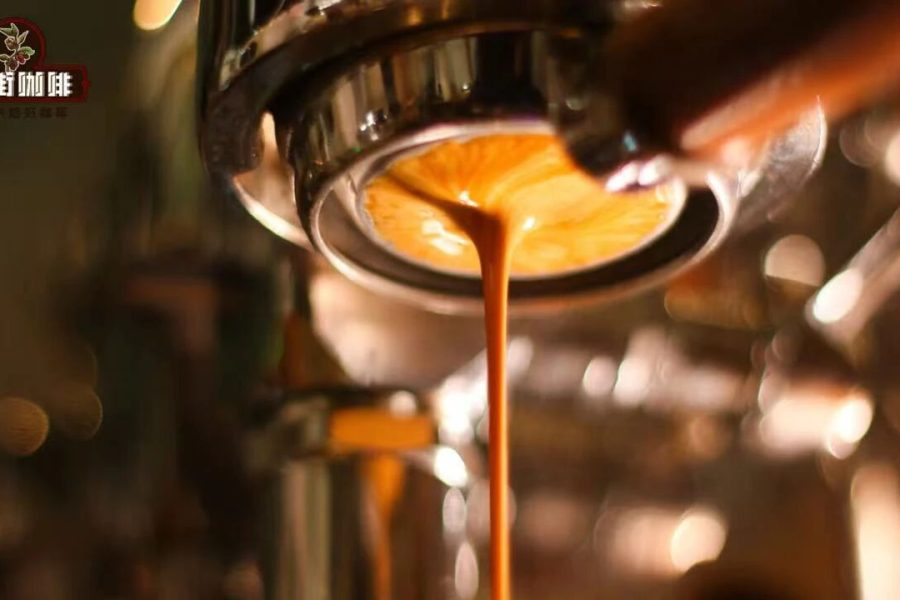
Taking a common dark roast blend as an example, when using 19 grams of grounds to extract 38 grams of liquid in about 29 seconds, the flow is even and stable, the crema layer is thick and dark brown with obvious tiger-stripe markings, and the texture is creamy with good elasticity. Its aroma is intense, containing caramel, roasted hazelnut and dark chocolate notes; on the palate there is almost no acidity, the bitterness is smooth with a sweet aftertaste, and even after the temperature drops you can still feel lasting caramel sweetness and a rich body.

Why do blended beans usually have richer crema than single-origin beans? This is mainly thanks to the comprehensive optimization of bean density, oil content and roast consistency in blending strategy. By scientifically combining beans with different characteristics, a blend can release more oils during high-pressure extraction and form a stable Crema structure, making it not only visually appealing but also silky and long-lasting on the palate.

In summary, if you are after fresh, bright acidity and floral-fruity aromas, light roast is not the optimal solution for espresso; medium roast performs steadily in terms of acidity-bitterness balance and ease of use, but its crema and body are slightly lacking; dark roast, especially carefully designed blended coffee beans, is the first choice for making espresso with rich crema and a full mouthfeel. Understanding these roast characteristics will help you make more suitable choices in your daily extraction and further enhance the overall expression of your coffee.