What Is Coffee Aftertaste? 5 Key Differences Between Sweetness and Aftertaste in Pour-Over
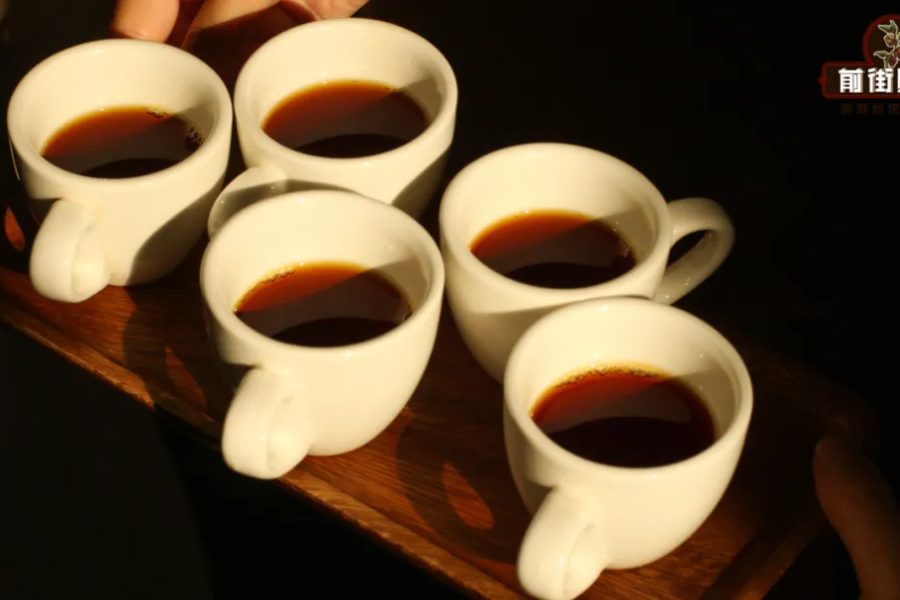
Introduction: How exactly does the aftertaste that coffee lovers often mention form? What is its essential difference from sweetness? This article analyzes the retronasal olfactory mechanism and the principle of oil residue to help you understand the scientific causes of aftertaste in depth. It also selects three typical flavor cases and includes a professional tasting dimensions guide to help you systematically improve your coffee sensory experience.
Fully tasting a cup of coffee requires engaging multiple senses—from the aroma released during grinding, to the flavor layers captured when slurping, to the aftertaste that finally lingers between the lips and teeth, which often determines the overall impression. This sensory feedback at the ending stage is called aftertaste in professional terminology, yet it is often misunderstood as simple lingering flavor.

The essence of aftertaste is a composite sensory experience that remains in the mouth and nasal cavity after drinking. Unlike the sour, sweet, bitter, and salty tastes perceived directly, it is closer to the dynamic process in which aroma molecules continue to be released after swallowing. For example, just as the distinctive scent of durian can still be noticed for hours after eating it, the volatile compounds in coffee are also gradually released within the oral environment.

From a scientific perspective, aftertaste is mainly produced by two mechanisms: the slow release of fat-soluble aromatic substances and the activation of the retronasal olfactory pathway. About 30% of the volatile organic compounds contained in coffee beans are oil-soluble, and some of these substances adhere to the oil layer during brewing. After the coffee liquid enters the mouth, the emulsified oils gradually break down and release the aroma molecules embedded within them. These molecules rise through the eustachian tube connecting the mouth and nasal cavity, forming a distinctive retronasal olfactory experience.

Observing the tasting characteristics of espresso reveals a notable example—the crema, about one-third of the thickness on its surface, not only contributes a rich mouthfeel but is also an important component as an aroma carrier. After drinking a high-quality espresso, the caramel aroma and roasted nut aroma produced by caramelization reactions often linger continuously, and this experience is a typical manifestation of aftertaste. But for first-time tasters, it is recommended to start with the milder pour-over coffee to practice identification.

For coffee beans with different processing methods, aftertaste characteristics show significant differences. Coffee processed by double anaerobic natural treatment, because the fermentation process is prolonged, often shows a stone-fruit aftertaste (such as almond and peach pit) interwoven with the sweet aroma of fermented fruit after swallowing. This type of coffee shows an explosive tropical fruit character in the initial stage, which later transforms into a warm dried-fruit tone, suitable for drinkers who prefer layered changes.
Balanced coffee mostly shows the characteristic of a stable extension of base flavors. Take the yellow bourbon variety with a medium-light roast as an example: its creamy nut base gradually emerges as the temperature drops, and the finish is often accompanied by the slight bitterness of cocoa powder and a caramelized sweetness. Pay attention to the temperature change curve of this type of coffee; the aftertaste usually performs best in the 50-60°C range.
Coffee varieties from special origins often carry signature aftertaste characteristics. Some high-altitude Geisha coffees, while displaying bright citrus notes, are accompanied by a mineral aftertaste similar to high-mountain oolong tea. This clear tea-like character is closely related to the day-night temperature difference in its growing environment and can only be fully perceived through careful sipping.

Evaluating aftertaste quality requires considering two dimensions: duration and flavor quality. High-quality aftertaste should have three characteristics—clear flavor identifiability, a gradual intensity decay curve, and a pleasant sensory experience. For example, an espresso made with a dark-roast blend can ideally maintain a caramel sweetness for 2-3 minutes without bitter residue.
Common defects include: ① negative aftertaste (such as an overly fermented vinous note or a burnt smoky sensation); ② fading too quickly (high-quality pour-over coffee aftertaste should last at least 30 seconds); ③ flavor discontinuity (an abrupt flavor in the finish that is disconnected from the main body). Note the difference between normal astringency and undesirable harshness; the latter is usually accompanied by dryness of the oral mucosa.

Expectations need to be adjusted for different roast levels: light roasts tend toward a fresher aftertaste (floral/tea/citrus notes), with a shorter duration but rich layers; medium-dark roasts highlight caramelization products (dark chocolate/toffee/smoky aroma), with a stable aftertaste that may mask the original flavors. In practice, it is recommended to use consistent brewing parameters to compare samples from different origins, focusing on recording the timing of aftertaste emergence and the process of flavor evolution.

Mastering aftertaste analysis can significantly improve coffee tasting ability. It is recommended to start practicing with single-variable control: fix the brewing water temperature (90-93°C recommended), coffee-to-water ratio (1:15-1:16), and grind size (medium-fine grind), changing only the coffee bean origin. By systematically recording the aftertaste characteristics of each tasting, gradually build a personal flavor database. Remember, an excellent aftertaste should be in harmonious unity with the coffee's overall flavor profile, not an isolated add-on.