How to Build a Coffee Combo: A Full Guide to Bean Selection and Flavor Pairing
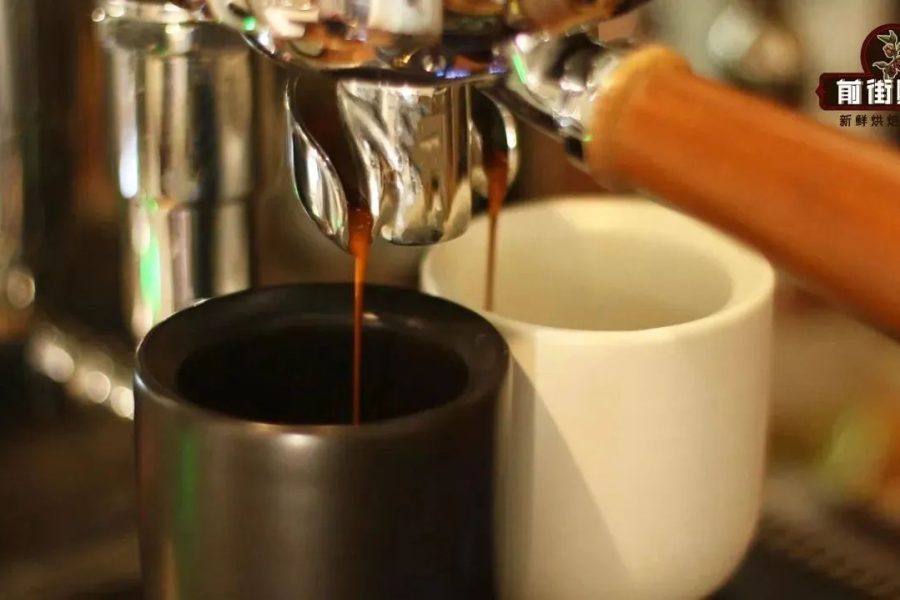
Introduction: A coffee combo is a new-style serving method that splits one espresso into multiple portions, each made into a different drink and presented together, letting you experience the diverse flavors of the same bean at once. This article explains the types of coffee beans suited to combos, the key points of roast level and processing method, and analyzes how to adjust latte and americano ratios, helping you easily craft a coffee combination with balanced body and standout flavor.
 The coffee combo is a popular innovative serving format in coffee shops today—dividing one espresso evenly into 2 to 3 portions, each made into a different category of coffee (such as americano, latte, etc.) and served together. This format lets people taste the flavor differences of the same bean under different preparations in one sitting, and because each cup is smaller, it isn't filling, which has won it many coffee enthusiasts' favor.
However, many people trying to make combos at home find that one cup in the combination often tastes unbalanced: either too bitter, or thin and flavorless, with insufficiently prominent aroma. In fact, the core of a combo is splitting one espresso and reprocessing it; in theory all coffee beans are suitable, but if you want every cup to have a distinct memorable point, bean selection and preparation details are especially key.

First, to be clear: combos have no absolute restrictions on coffee beans, and any bean can serve as the base. But if you pursue richer aroma and deeper flavor memory, the bean's roast level and processing method need targeted screening. Next, we analyze how to choose coffee beans suited to combos from two key dimensions.

1. Roast level should be "moderate"
To give a combo rich aroma and prominent flavor, avoid beans with extreme roasts. Dark roasting (such as long high-temperature roasting) makes coffee taste heavy or even bitter, and excessive carbonization masks the delicate floral, fruity, and nutty flavors of specialty beans; while lightly roasted beans are harder in texture, making it difficult to fully release flavor compounds during high-pressure espresso extraction, and insufficient caramelization leads to low sweetness and little crema, so they tend to seem thin and lacking layers once milk is added.
It is recommended to prioritize medium or medium-dark roasted single-origin beans: this roast level preserves the coffee's original flavors (such as fruity and floral notes) while enhancing sweetness through moderate caramelization, and maintains flavor balance when paired with milk. For example, some shops commonly use medium-dark roasted beans whose sweetness and bitterness are harmonious, able to support the rich body of a milk coffee.

2. Fermentation level affects flavor layers
If you want a combo with more unique flavor and stronger memorability, pay attention to the coffee bean's processing method—deep fermentation processes (such as natural, anaerobic, and honey processing) are key. These methods, by extending or regulating fermentation time, prompt the beans to produce richer aromatic compounds, ultimately presenting complex flavors such as tropical fruit (mango, pineapple), fermented wine notes (passion fruit, fruit wine), and floral notes (white flowers).
For example, naturally processed beans, having been sun-dried for long periods, absorb the fruit pulp's sugars fully and often carry bright tropical fruit notes; anaerobic fermentation, meanwhile, accelerates microbial action through a sealed environment, giving the coffee a wine-like, mellow body. A combo made from such beans can show a distinct personality in every cup.

Combining roast and processing method, the market offers many beans that meet the requirements: for example, medium-light roasted SOEs (single-origin espresso beans) with fresh fruity notes of mango, pineapple, and citrus; fermented-process beans showing grape, passion fruit, and floral notes; and blends combining strawberry gummy and white floral notes. These beans ensure clarity of base flavor while extending diverse flavor layers through different processes.

After choosing beans, making a combo also requires attention to the following key details:
1. Dose adjustment: Because the espresso needs to be split into multiple portions, if your usual dose is small, it is advisable to increase the dose appropriately (for example, from 18 grams to 20-22 grams). The conventional espresso extraction ratio is 1:2 (coffee liquid:water); an insufficient dose leads to too little liquid per portion, and the final combined cups end up too small, affecting the drinking experience (home preparation can be adjusted flexibly).

2. Verify espresso extraction parameters: Before opening, coffee shops test espresso flavor intensity through "morning dialing"—especially making an extra latte to verify. Because a latte requires a large amount of milk, if the espresso itself is too sour or lacks sweetness, adding milk magnifies the flaws (such as weak coffee flavor or jarring texture). An espresso suitable for a latte needs a certain bitter base to balance with the milk. Therefore, when making a combo, it is advisable to extract a little more coffee liquid for the latte portion (such as adding 1-2 grams of dose or extending extraction time) to enhance overall bitterness and flavor balance.

3. Optimize the ratio of coffee to ingredients: Because beans chosen for combos are usually roasted lighter (with relatively mild flavor), the ratio of coffee to water/milk needs appropriate adjustment during preparation. For example, a conventional medium-dark roasted latte uses a coffee:milk ratio of 1:5 (40ml espresso + 200ml milk), while a medium-light roasted combo latte can be adjusted to 1:4 to 1:4.5 (such as 40ml espresso + 160-180ml milk), avoiding a thin flavor caused by over-dilution.

In summary, to make a combo with outstanding flavor, start by selecting base beans by roast level (medium/medium-dark) and processing method (deep fermentation such as natural/anaerobic), then optimize each cup's flavor expression through details such as dose, espresso parameter verification, and ratio adjustment. These methods are not fixed formulas; in practice you can adjust flexibly according to personal taste preferences to find the most suitable combination.