The truth about the hole in coffee bags: how one-way valves protect freshness

Introduction: Have you ever wondered why coffee bean bags always have a small hole? Many people assume it is there so you can smell the coffee, but its real purpose goes far beyond that. This article explains the design of the one-way degassing valve on coffee packaging, how it helps keep beans fresh, how it prevents bags from bursting, and why you should not squeeze the bag repeatedly to “smell the aroma.” Understanding these details will help you store your beans better and extend their peak flavor period.
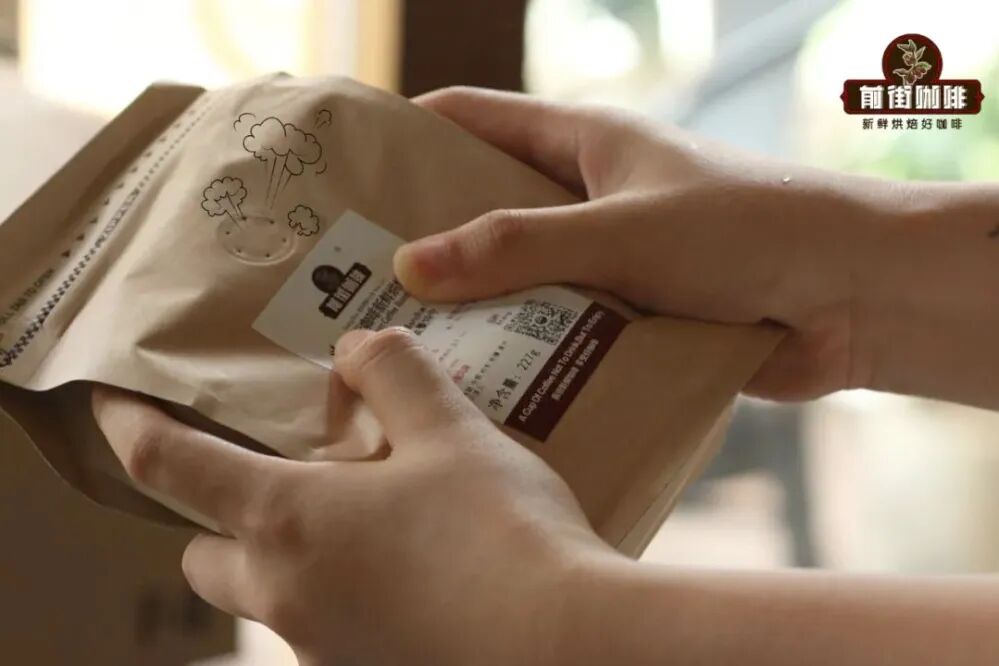
Walk into any café or coffee bean shop and you may see customers pick up a bag of coffee, bring the side with the small hole to their nose, and give it a firm squeeze, releasing a rich burst of coffee aroma. The gesture seems ordinary, but it hides a common misunderstanding: that small hole is not there for us to smell the coffee. It serves a more important function.
The hole is actually a one-way degassing valve, a device that allows gas to escape in only one direction, much like a “one-way street” in everyday life. Its main job is to keep coffee beans fresh while preventing the bag from bursting due to excess internal gas.
Why do coffee bags need this design? After roasting, coffee beans produce a large amount of carbon dioxide internally, and this process can continue for days or even longer. Freshly roasted beans are full of activity. If this gas is not released in time, pressure inside the bag keeps rising and may eventually cause the packaging to rupture. But if the bag were completely sealed with no way for gas to escape, coffee quality would suffer just the same. Hence the one-way degassing valve: a seemingly simple but crucial component of coffee packaging.

The structure of a one-way degassing valve is actually quite simple, but the principle behind it is ingenious. It consists mainly of a flexible valve flap. When the pressure inside the bag is higher than outside, the flap is pushed open and excess gas escapes; once the pressures inside and outside equalize, or the outside pressure is higher, the flap closes automatically and strictly blocks outside air from entering. This mechanism protects the beans from oxygen during storage and also avoids the risk of the bag swelling and bursting.
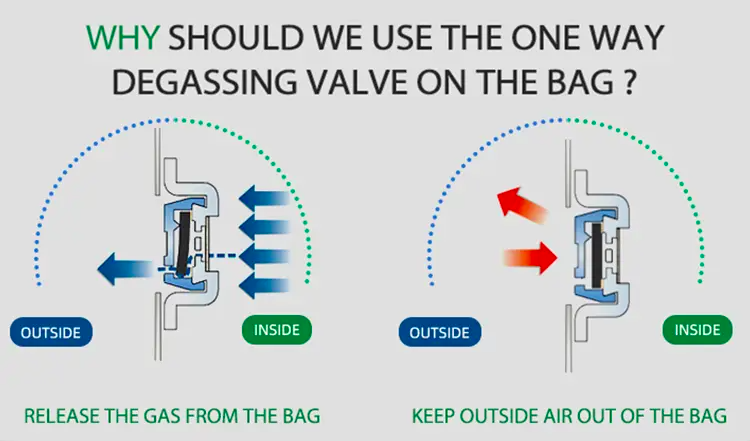
In practice, as the beans keep releasing carbon dioxide, the pressure inside the bag gradually rises. When it exceeds the outside pressure, the one-way valve opens and releases the excess gas until the pressures equalize again. This process not only prevents the bag from deforming or exploding but also slows the aging of the beans, since oxygen and moisture from outside are the main culprits behind rapid flavor loss in coffee.
Note, however, that a one-way degassing valve can only “let gas out, not in.” It cannot stop the small amount of oxygen already inside the bag from continuing to affect the beans, nor can it counter environmental factors such as high temperature and high humidity that damage coffee quality. So once you open the bag and start using the beans, be sure to reseal the remainder promptly and store them in a cool, dry, dark place to preserve freshness as much as possible.
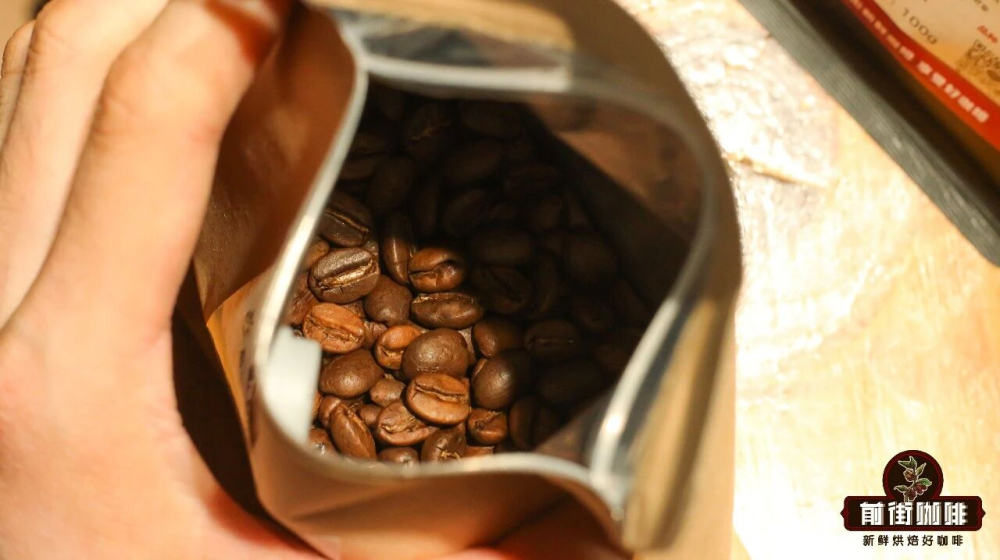
Many people may also have noticed that in their first two or three days, freshly roasted beans do not smell as fragrant as we might imagine; instead, they may carry a fairly intense roasted smell. This is because after roasting the beans are filled with high concentrations of carbon dioxide, which initially suppresses the release of aromatic compounds. Only after some of the carbon dioxide has escaped can the volatile compounds that truly represent coffee's flavor gradually emerge. This process is commonly called “resting” the beans.
When beans are first packaged, the bag is often flat or even slightly deflated. But from the third or fourth day after roasting, as large amounts of carbon dioxide are released, the bag slowly puffs up, and some pleasant aroma molecules begin to escape as well. When you squeeze the bag or open it, these gases, carrying both roasted notes and flavor compounds, meet you head-on for a satisfying sensory experience.

Yet precisely because squeezing the bag lets us smell the aroma, many people have gotten into the habit of squeezing coffee bags frequently, thinking this helps them “smell the coffee” or judge its freshness. In fact, doing so may backfire. When the bag is squeezed repeatedly and internal gas is expelled, the saturated gas environment is disrupted and the pressure inside drops. The beans then release carbon dioxide faster to fill the gap, which speeds up the loss of flavor compounds.
In other words, if you want your beans to stay fresh and flavorful for longer, it is best to avoid squeezing the bag frequently before opening it. Letting the one-way valve regulate internal gas pressure naturally helps maintain the integrity of the packaging and lets the beans be enjoyed in their best condition.