Is Anaerobic Coffee Flavored with Additives? Inside Colombia's Finca La Divisa SL28 Process

Introduction: In recent years, anaerobically processed coffee has become a hot topic in the specialty coffee world thanks to its distinctive fermented flavors, but it has also sparked controversy over whether flavorings are added. This article takes an in-depth look at the science of anaerobic processing, from controlling the fermentation environment to the mechanisms of microbial action, to help you understand why these coffees are so intensely flavored and layered. It also explains in detail the "double anaerobic natural" process used at a well-known Colombian estate, and how it creates such striking notes of passion fruit and candied fruit, so you can taste these niche specialty beans more knowledgeably.
In recent years, alongside traditional washed and natural processing, anaerobic coffee has gradually emerged as a hot topic in the specialty coffee field. Many consumers trying it for the first time are drawn in by its intense, distinctive fermented aroma, but they can't help wondering: is this coffee, so different from traditional flavors, the "flavoring bean" that's been rumored online? In fact, anaerobic processing does not involve adding artificial flavorings; it changes the direction of the coffee's flavor through a special fermentation process.
Anaerobic processing technology has a history of only about ten years. According to international coffee supply chain sources, growers in Costa Rica were the first to try applying the technique to coffee bean processing. In 2015, an Australian barista won an international competition using anaerobically fermented beans, bringing the process into the public eye and spawning a variety of sub-types.

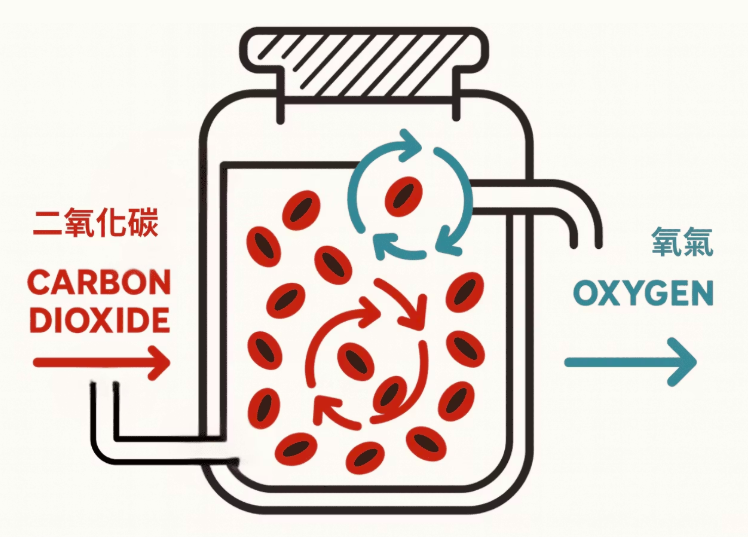
So-called anaerobic fermentation means placing whole coffee cherries or seeds after depulping into a sealed container and pumping out the oxygen to create an oxygen-free environment. The carbon dioxide concentration inside the container gradually rises, prompting specific microorganisms such as lactic acid bacteria and yeasts to become active, which in turn directs the breakdown of sugars, the generation of acidity and the evolution of aromatic compounds. It is precisely this precise control over the fermentation process that creates the flavor characteristics of anaerobic coffee that are entirely different from traditional washed and natural coffees.
Under low-temperature, high-pressure, oxygen-free sealed conditions, the coffee mucilage continues to break down, producing higher concentrations of organic acids as well as alcohols and lipid compounds. The accumulation of lactic acid makes the coffee fuller and smoother on the palate, lipid substances enhance sweetness and floral and fruity aromas, and alcohols are further converted into tropical fruit aromas such as pineapple, strawberry and passion fruit; some lots even show a faint winey note. These changes make anaerobically processed coffee generally more striking on the palate than traditionally processed coffee, with more memorable flavor markers.

Unlike traditional processing methods, anaerobic fermentation has no unified standard and is adjusted entirely according to the grower's experience. As the technology has advanced, it has spawned a variety of "advanced variations," including anaerobic natural, anaerobic washed, anaerobic honey, double anaerobic and other combined processes, as well as special modes such as carbonic maceration, nitrogen fermentation and co-fermentation. Currently, the Colombian producing region is considered one of the most innovative areas for exploring anaerobic processing.
Take the well-known bean varieties from Colombia's Finca La Divisa as an example: some of its products use a "double anaerobic natural" process. "Double" means the coffee cherries undergo two separate rounds of sealed fermentation before being transferred to drying beds. Because the microbial communities and environmental conditions differ between the two fermentation rounds, the final coffee has more pronounced jammy body, fermentation layers and spicy notes, but the control requirements for fermentation temperature, humidity and time are extremely high.
In terms of actual flavor expression, this process gives the coffee striking notes of passion fruit, grape and apricot preserves, with high sweetness and soft acidity and a strong impact on entry; another lot may release a complex aroma of blackcurrant, spices, pineapple and blueberry jam, with a full juicy body and a long finish.
When it comes to the flavor impression of anaerobic coffee, many consumers' first reaction is "unforgettable"—its complex, concentrated aromas often remind people of familiar foods. Some describe its mouthfeel as mellow as red wine; others find it similar to the sweet-and-savory fermented note of Cantonese sausage; and some feedback says it smells like a distinctive fermented black bean note.

Overall, anaerobic coffee is like durian: enthusiasts flock to its intense flavors, while those who aren't fans may find it hard to accept. This polarized reception precisely reflects the unique character that anaerobic processing gives to coffee.