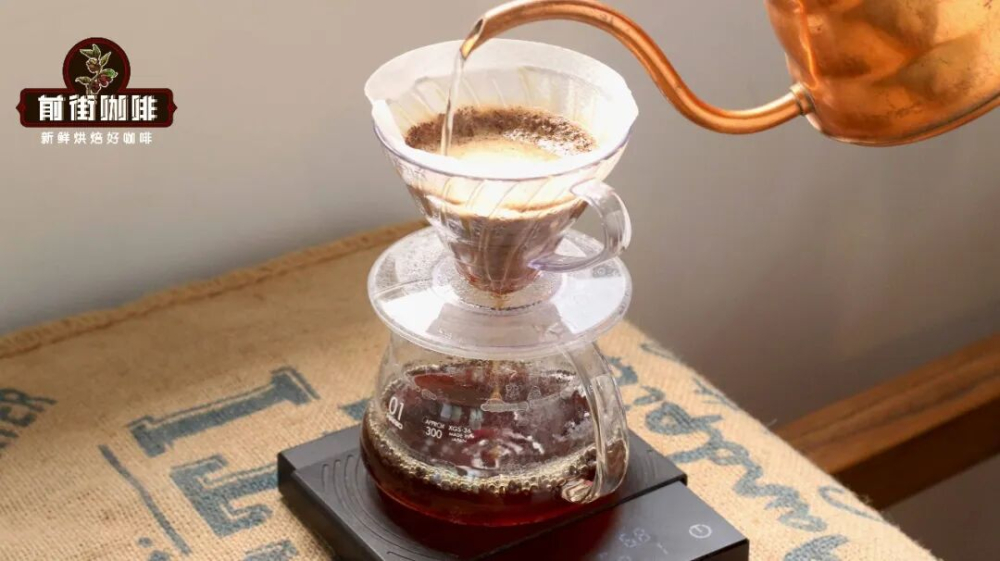
Pour-Over Filter Buying Guide: Bleached vs Unbleached for Your Brew Style
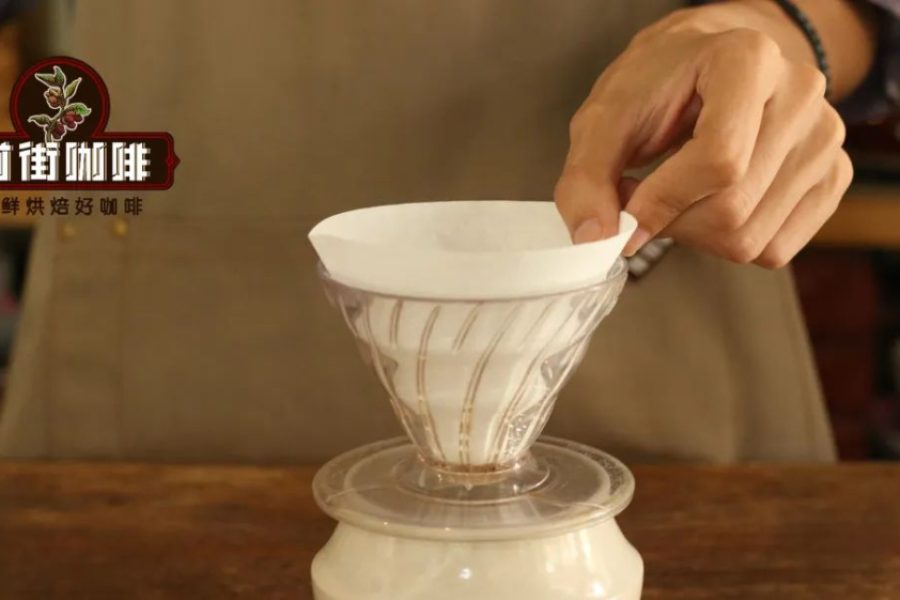
Introduction: The flavor expression of pour-over coffee is closely tied to filter paper selection. This article explains how to match four mainstream filter shapes, including cone and fan, compares the effects of bleached and unbleached filters on coffee clarity and acidity, and offers practical selection advice on key parameters such as filter thickness and flow rate, helping coffee enthusiasts precisely match filter media to their brewing needs.
In the process of manual coffee brewing, filter paper may seem simple but directly affects the final flavor expression. High-quality filter paper not only clearly reveals the bright acidity and sweetness layers of coffee, but also effectively filters out fine impurities and excess oils that affect mouthfeel, making the coffee taste cleaner and smoother. Mastering filter selection is an important part of improving home brewing quality.

Choosing a suitable filter requires attention to three dimensions: first, the size match between filter and dripper; second, the paper processing method (bleached/unbleached); and finally, the effect of filter thickness on water flow speed. These three factors directly affect extraction uniformity and flavor expression.
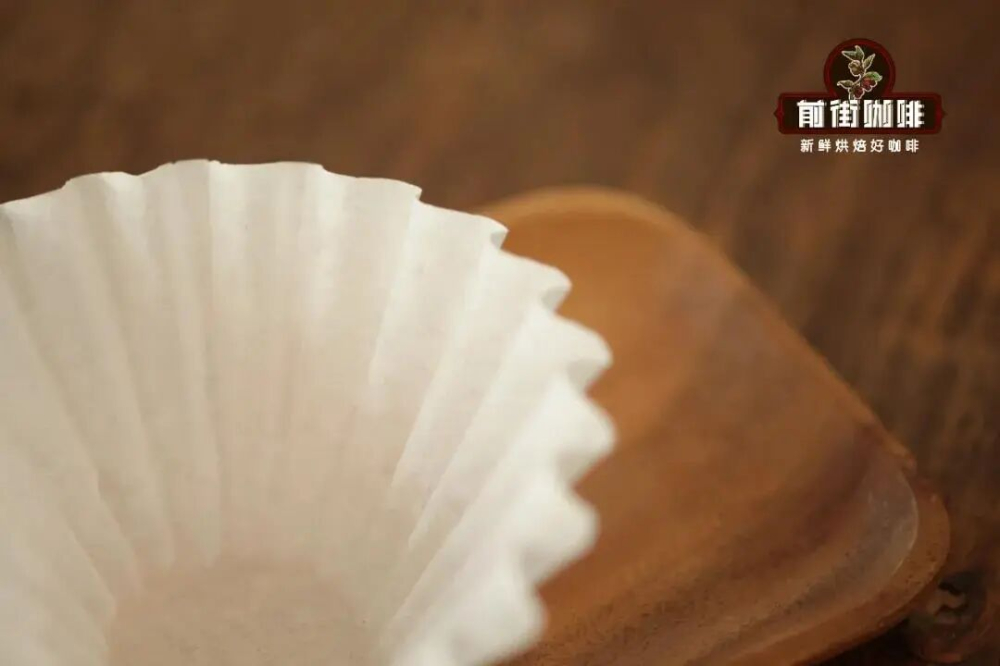
Common filter shapes on the market fall mainly into four categories, each corresponding to a specifically designed dripper structure. Cone filters (60° angle) fit classic single-hole cone drippers such as V60 and KONO, and are subdivided into size 01 (1-2 servings) and size 02 (2-4 servings); the 30° V30 dripper that has become popular in recent years can use standard V60 filters folded in half directly. Fan-shaped (trapezoid) filters have a unique crease design and match drippers from brands such as Kalita and Melitta, with sizes 101/102 corresponding to 1-2 servings and 2-4 servings respectively. Flat-bottom wavy filters (cake-cup style) use a three-dimensional wave structure to improve extraction stability and suit flat-bottom drippers such as Kalita Wave, with sizes 155/185 serving 1-2 servings and multi-person scenarios respectively.



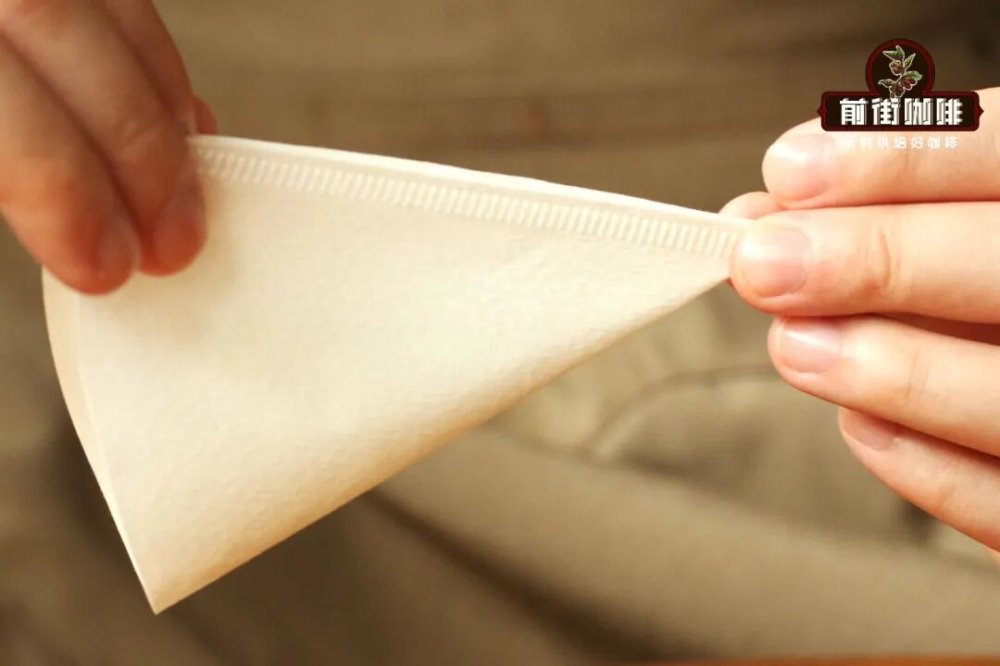
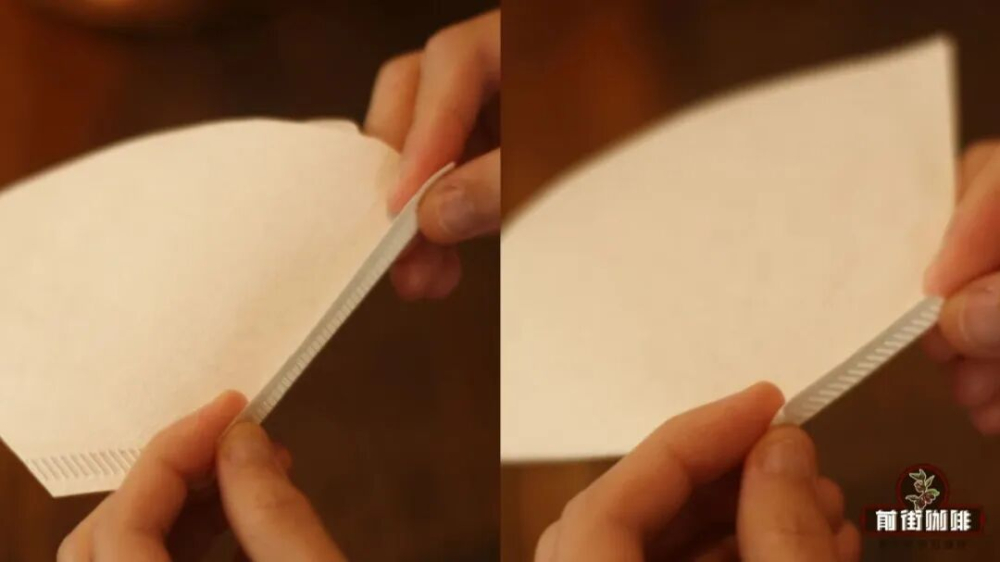
Filter thickness plays a key role in flow control. Thin, lightweight filters (such as some Md-25 material products) channel water quickly and are especially suited to the high-fines characteristics of light-roast beans, effectively avoiding the bitterness caused by over-extraction; slightly thicker filters (such as some unnumbered commercial models) slow the flow but enhance the immersion extraction effect for specially processed beans such as anaerobic fermentation, improving the rich, juicy body, though attention must be paid to the risk of fines clogging. In practical testing, filters with a medium-to-fast speed (about 3.5-4g/s) are better for bringing out the fruit acidity layers of light to medium roasts.
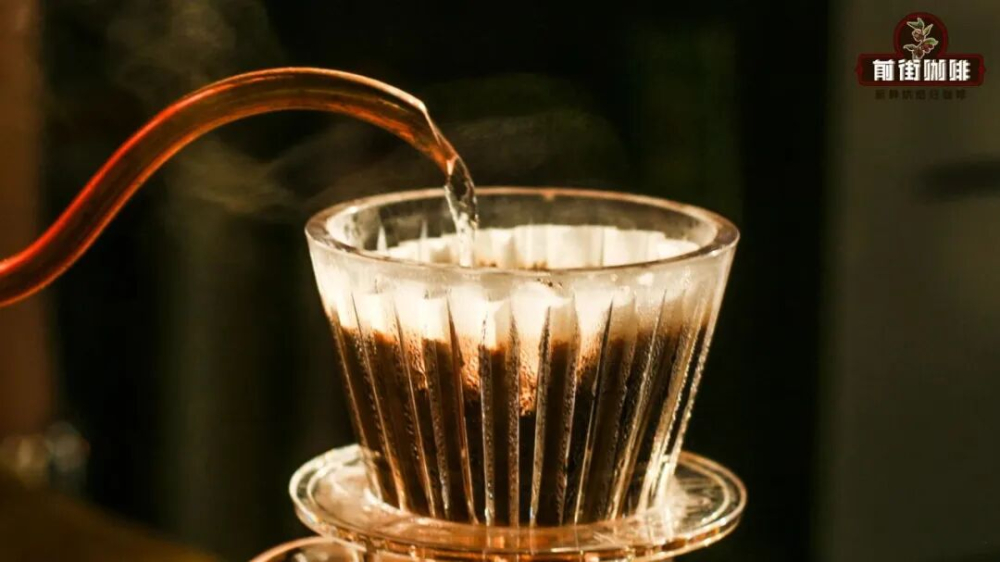
There is clear controversy over the choice of bleaching process. Chemically bleached filters (including oxidation/enzyme treatment) undergo strict quality control and can eliminate the off-flavors of raw pulp, making the coffee flavor purer; well-known brand products all pass food safety certification. By contrast, unbleached natural-color filters, though marketed as eco-friendly, are best rinsed repeatedly with hot water before first use, which both preheats the dripper and removes paper scraps and raw paper odor. Special note: all filters must be moistened before use; this step both improves the seal between filter and dripper to ensure stable extraction and eliminates most pulp-taste interference.