Black Coffee and Exercise Gains: How Caffeine Boosts Performance
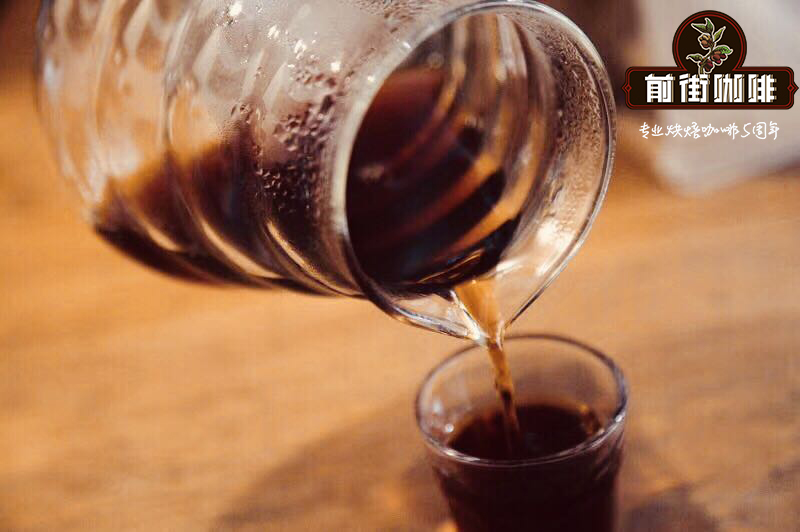
Introduction: As a natural performance-enhancing ingredient widely used by athletes worldwide, caffeine's mechanisms for improving exercise performance have long drawn attention. This article takes an in-depth look at the real benefits of moderate caffeine intake for endurance and high-intensity exercise, clears up the long-standing dehydration misconception, and offers professional dosage recommendations and practical drinking plans to help you safely use this legal performance tool to break through training plateaus.
A cup of black coffee before early morning training has become the standard ritual for many athletes to get into competitive mode. From professional marathon runners to gym regulars, caffeine—a methylxanthine compound naturally present in coffee—has become one of the most thoroughly studied functional ingredients in sports science thanks to its well-defined performance-enhancing properties. Modern sports nutrition has confirmed that rational use of caffeine not only optimizes neural arousal but also delivers quantifiable gains in exercise performance.
Common questions about caffeine tend to focus on safety of use: Will long-term reliance on caffeinated sports gels lead to tolerance? How do you convert the actual caffeine content in energy drinks? The core of these questions lies in understanding the complex interaction between caffeine and human physiology. Particularly noteworthy is that the once widely circulated "coffee causes dehydration" theory has been completely overturned by the latest research data.
A key 2005 study conducted by the U.S. military showed that for subjects accustomed to consuming about 200 mg of caffeine per day (equivalent to 3 mg/kg body weight), 24-hour urine output showed no significant difference whether they drank regular coffee or plain water. This research, which examined the hydration needs of U.S. troops stationed in Iraq under high-temperature conditions, showed that when caffeine intake is kept within the range of 3-6 mg/kg body weight, there is no additional risk of fluid loss. This finding directly overturned earlier one-sided conclusions based on short-term urine measurements (observing only 2-4 hours of data).
Regarding performance enhancement, more than 74 double-blind controlled trials worldwide provide solid evidence: caffeine can improve exercise efficiency in ordinary subjects by an average of about 12%, with endurance events (such as long-distance running and cycling) benefiting most, followed by short-duration explosive power sports. This improvement is achieved mainly through three mechanisms: stimulating the central nervous system to delay fatigue, promoting fat metabolism to delay glycogen depletion, and enhancing focus and reaction speed during exercise. It is particularly noteworthy that for athletes who usually consume little caffeine, this gain tends to be more pronounced.
Professional athletes usually adopt precise dosage control strategies: consuming caffeine at 3-9 mg/kg body weight one hour before exercise (equivalent to 225-600 mg for a 150-pound person). This range has been proven to be the optimal balance between efficacy and safety. Common caffeine carriers and their contents include: espresso (about 40 mg per single shot), Red Bull energy drink (80 mg per 8 ounces), and a Starbucks grande Americano (about 200 mg). A special reminder: the hidden calories in commercial coffee drinks cannot be ignored—prepared coffees with added dairy and syrups may contain 80-470 kcal of extra calories, which may conflict with the exercise goal of fat loss and performance gains.
Individual differences are crucial to caffeine response. About 15%-20% of people have genetic traits for slower caffeine metabolism, and such athletes need to pay special attention to avoiding gastrointestinal discomfort or abnormal heart rate caused by excessive pre-competition intake. It is recommended to conduct dosage gradient testing through daily training cycles: start with a low dose (such as half a cup of black coffee) and gradually observe the body's tolerance threshold for caffeine. At the same time, be aware that although caffeine's diuretic effect does not directly cause dehydration, it may exacerbate fluid needs in high-temperature environments, in which case baseline water intake should be increased accordingly.
For those pursuing precise nutrition in sports, standardized caffeine supplements (such as sports gels and capsules) offer the advantage of controllable dosage. However, note that other stimulant ingredients in product formulations (such as taurine and guarana extract) may have additive effects. Regardless of the intake form chosen, maintaining adequate hydration is always the fundamental principle for safeguarding exercise performance—it is recommended to drink an additional 200-300 ml of water for every 100 mg of caffeine consumed, especially during continuous exercise lasting more than 60 minutes.


