Kalita Wave Pour-Over Coffee Basics: Ratio and Pouring Techniques
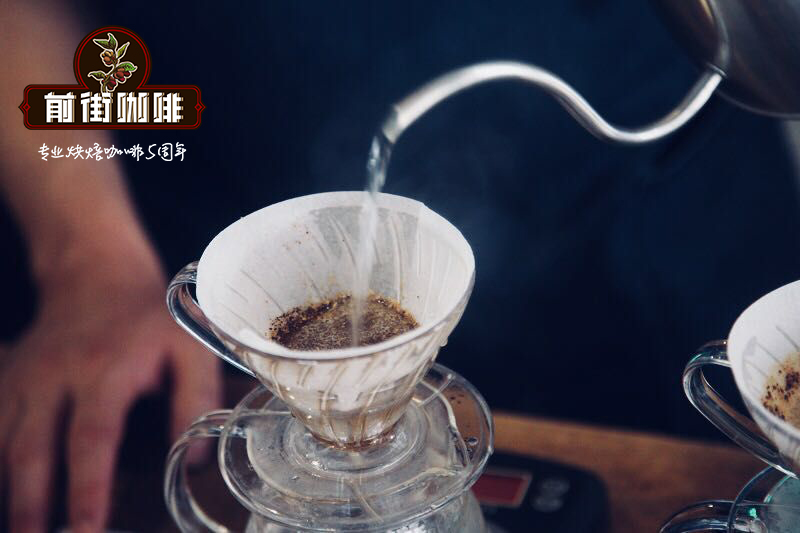
Introduction: The Kalita Wave dripper is a classic choice for pour-over coffee enthusiasts, and its distinctive flat-bottom, three-hole design delivers a clean, balanced cup. This article will guide you through the core brewing parameters for this dripper, from grind size selection to a precise pouring rhythm, explaining in detail how the golden 14.5-16:1 coffee-to-water ratio affects flavor, and providing specific operating guidance for blooming and staged pouring to help you easily brew a layered specialty coffee.
The Kalita Wave dripper was born from a Japanese family business with decades of history. Its iconic wavy flow channels not only create a minimalist appearance but also enhance extraction stability through scientific structure. Unlike the single-hole drip of the Chemex or V60, this dripper uses a flat-bottom three-hole construction that effectively prevents channeling and allows hot water to penetrate the coffee bed evenly.
The dense vent-hole design at the bottom of the dripper (three evenly distributed round holes) is a core highlight. This structure disperses the impact of the water stream, and together with the tiny gap between the special filter paper and the dripper, it both maintains a stable extraction temperature and ensures every particle of coffee grounds fully contacts water. The matching 185 and 155 size filters correspond to different capacity needs; for daily single-person use, the 155 size is recommended.
To brew a cup of balanced pour-over coffee, focus on controlling three key elements: grind size—fine granulated sugar coarseness is recommended (a sieve standard of roughly 75% or more passing through), and a conical burr grinder should be used to ensure uniform particles; water temperature—controlled within the 90-96°C range, avoiding over-extraction from boiling water or under-extraction from low temperatures; coffee-to-water ratio—14.5-16:1 is recommended (milliliters of water to grams of coffee grounds), and this range can be adjusted flexibly according to bean freshness.
The specific brewing process is divided into three key stages: first, a 30-second bloom, pouring 30 grams of hot water evenly through the coffee bed (about 1.5-2 times the amount of coffee grounds) to help release carbon dioxide produced during roasting; then comes the staged pouring phase—when the timer reaches 1 minute, pour 90 grams of water, then complete the remaining 100 grams before 1 minute 40 seconds, with total extraction time controlled between 1 minute 50 seconds and 2 minutes.
Professional advice: when using a Kalita dedicated pour-over kettle, there is no need to worry about heat loss; the metal material maintains water temperature stability well. During pouring, keep the spout about 3-5 centimeters above the coffee bed, pour slowly in concentric circles, and avoid directly striking the bottom of the dripper. During the pre-wetting stage, a small amount of hot water can be used to moisten the filter paper and preheat the server, which both improves extraction efficiency and prevents the finished coffee from cooling too quickly.
Common misconceptions: excessively prolonging extraction time causes bitter compounds to be released; if dripping is still not complete at 2 minutes, check whether the grind is too fine. Improper filter selection (such as a size mismatch) may affect water flow distribution, so be sure to confirm that the dripper and filter models correspond. Regularly cleaning coffee oil residue from the gaps in the dripper keeps the equipment performing at its best.


