Choosing the Roast Level for Espresso Beans: Medium-Dark Mandheling vs Medium-Light Yirgacheffe
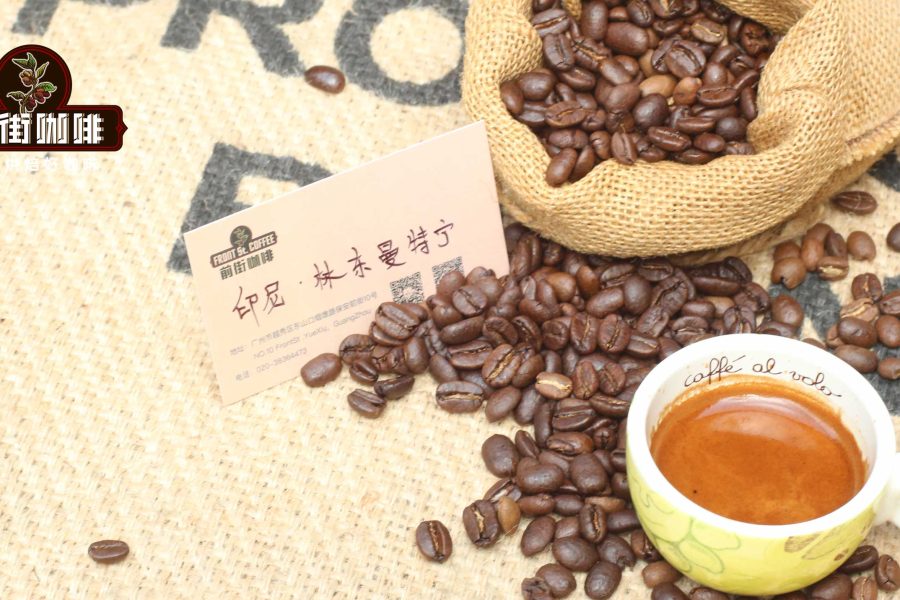
Introduction: When it comes to Mandheling and Yirgacheffe, two beans commonly used for espresso, many coffee lovers agonize over whether to choose a medium or dark roast. This article compares a medium-dark roasted Sumatra Golden Mandheling with a washed, medium-light roasted Ethiopian Yirgacheffe, analyzing how different roast levels affect the flavor of these two classic beans. From growing-region altitude and processing methods to controlling the timing of second crack, it explains in detail how to choose the best roasting plan based on drinking scenario (such as pour-over or espresso), and includes flavor wheel descriptions and practical buying advice.
 In the field of coffee roasting, Mandheling and Yirgacheffe represent two typical styles—the former is known for its heavy body and aromatic richness, the latter for its fresh floral and fruity character. For espresso enthusiasts, choosing between medium-dark roasted Indonesian Golden Mandheling and medium-light roasted Ethiopian Yirgacheffe directly affects the final cupping experience. This article breaks down the characteristics of these two beans across growing environment, processing differences and roast curve control.
 First, Sumatra Golden Mandheling: this bean from the Lintong region (North Sumatra) is picked strictly by hand, one cherry at a time, selecting only fully red ripe fruit. Its distinguishing feature is the semi-washed process combined with sun drying: after the coffee cherries have their mucilage removed, the green beans undergo multiple rounds of cleaning and hand sorting (at least four times) to ensure no defective beans are mixed in.
 In roasting, a medium-dark roast (close to the start of second crack) highlights its signature herbal notes and caramel sweetness; its heavy body paired with spice-like flavors (such as black pepper and sandalwood) makes it a frequent component of espresso blends. Note that extending the roast to a rolling second crack may further suppress off-flavors, but it can also cost some of the bright, layered sweetness.
Turning to the Ethiopian Yirgacheffe region,  the Gedeb farm at an altitude of 1,650–1,800 meters uses the traditional washed process—after pulping, the coffee fruit is fermented in water tanks to remove the mucilage, then spread evenly on drying beds, turned regularly and dried. This process preserves the coffee's inherent cleanliness to the greatest extent, and combined with the bright acidity that high-altitude growing brings, it creates a distinctive citrus and floral profile.
As for flavor expression, a medium-light roast Yirgacheffe highlights fruit aromas such as citric acid, pineapple and apple, with a jasmine-like fragrance in the finish and a clean, lingering aftertaste; while a medium-dark roast (roughly from the end of first crack to the start of second crack) transforms it into more nutty, caramel and dark chocolate flavors, and the acidity becomes softer and rounder. The image shows a flavor comparison diagram of washed Yirgacheffe at different roast levels.
 From a practical standpoint, if used to make espresso, medium-dark roasted Mandheling suits those seeking a rich, intense cup; combined with milk it produces a full-bodied milk coffee. Medium-light roasted Yirgacheffe is better recommended for single-origin brewing or as an SOE (single-origin espresso), and with pour-over equipment it better reveals its delicate layering.
In addition, choosing a roast level also requires considering extraction parameters: for medium-dark beans, use a slightly coarser grind (e.g., 70%–75% passing through a No. 20 sieve for espresso machines) and keep the water temperature at 90–92°C to avoid over-extracting bitterness; medium-light beans need a finer grind (about 80% passing rate), and the water temperature can be raised to 93–94°C to draw out the acidic aromatic compounds. Finally, a reminder: whatever the roast level, freshness (best used within 7–21 days after roasting) and proper storage (sealed, protected from light and moisture) are key to preserving flavor.
 In summary, the charm of medium-dark roasted Mandheling lies in its solid body and spicy finish, making it suitable for breakfast or winter hot drinks; medium-light roasted Yirgacheffe, with its vivid floral and fruity profile, is the first choice for summer iced coffee or specialty pour-over. Only by adjusting the roast level and brewing method to personal taste preferences can you fully experience the unique flavor potential of these two classic beans.


