Understanding Mandheling Coffee Beans and Aged Mandheling Brewing Guide
Introduction: Want to understand the unique appeal of Mandheling coffee beans? This article takes you deeper into the identifying characteristics of Sumatra Mandheling and reveals the formation process and flavor evolution of aged Mandheling. It also shares professional-level pour-over parameters and techniques to help you brew a mellow, nuanced aged Mandheling at home.
The bitterness of coffee is never monotonous; the bitterness of fine coffee often has more layers and a longer finish, drawing you in. Mandheling is a typical representative of this bitter charm. It comes from Sumatra, Indonesia, and thanks to its unique processing method and aging potential, it has become one of the single-origin beans sought after by coffee lovers worldwide.
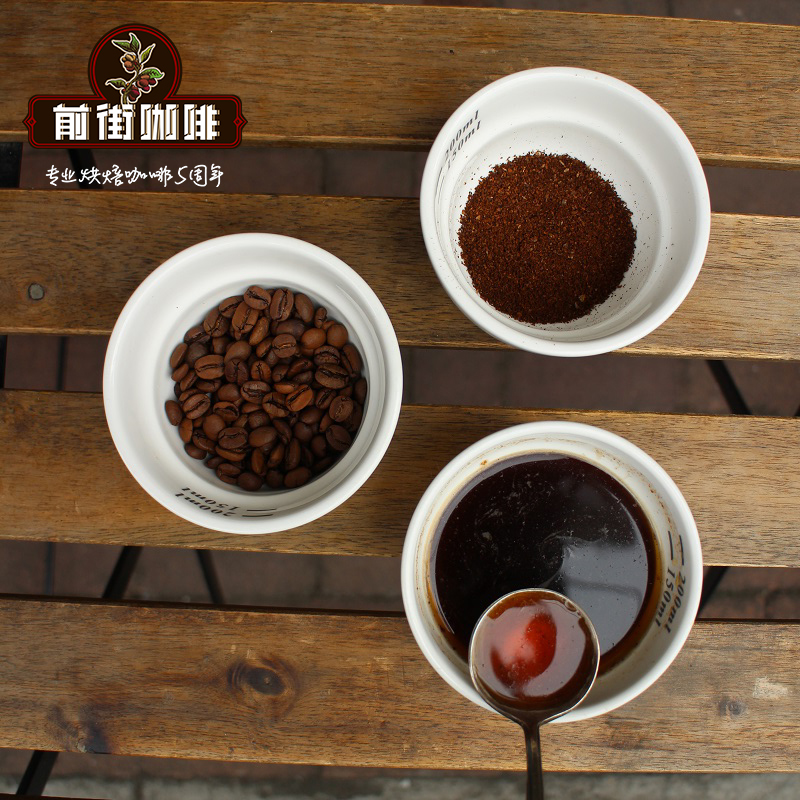
In Europe, there is a saying: “God gave us time, but did not tell us to rush.” Savoring a good cup of coffee inherently requires patient waiting. The appeal of Mandheling likewise needs time to settle—especially in Sumatra, where the special green-bean processing method and storage environment have created “aged Mandheling,” which can be stored for long periods and whose flavor evolves.
Sumatra's climate is humid and rainy, and local farmers use a “wet-hulled process” that differs from washed and natural methods. The entire process is divided into two main stages: first, a wooden pulper removes the skin and pulp, yielding beans still in their parchment and covered in mucilage. Some lots undergo brief fermentation or a few hours of drying, bringing the parchment beans' moisture content down to a semi-dry state of 30%–50%.
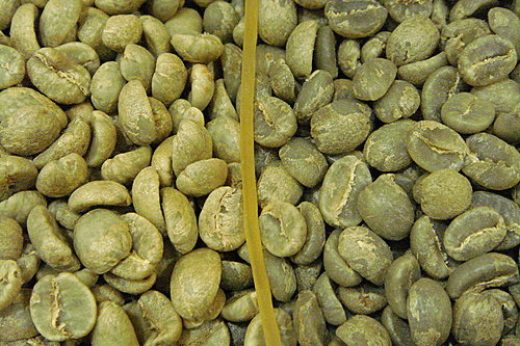
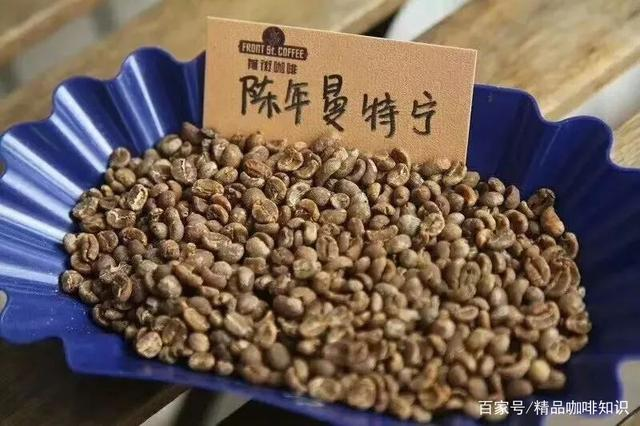
Next comes the second stage: a huller removes the parchment, and the beans are then placed in the sun to continue drying. This stage usually takes 2 to 4 days, finally bringing the moisture content to 12%–13%. Notably, removing the parchment while the beans are wet easily damages them; the beans often crack under pressure into a “sheep's hoof” shape—one of the most distinctive visual identifying features of Mandheling coffee beans.
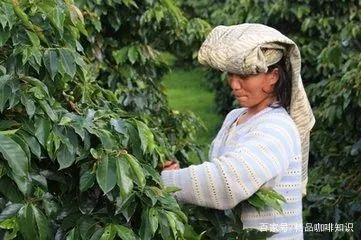
The wet-hulled process not only shapes Mandheling's unique appearance but also gives it a distinctive flavor personality. Compared with the conventional washed process, this method shortens the fermentation period, resulting in lower acidity but markedly greater body. Caramel and fruity notes are more prominent, accompanied by a slight woody and herbal character; the overall flavor is rich and grounded, much favored by experienced coffee drinkers.
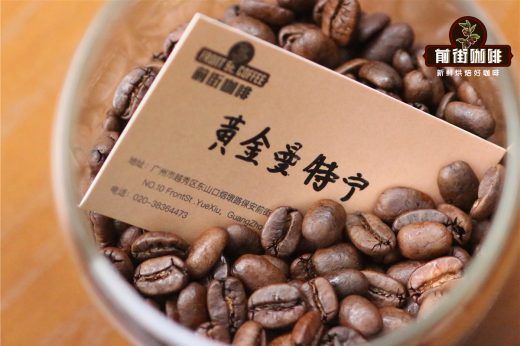
The name Mandheling actually stems from a misunderstanding. In 1696, Dutch coffee plantation owners first tried growing coffee on the Indonesian island of Java, and the growing area later gradually expanded to Sumatra. Much of the early “Java coffee” sold to Europe actually came from Sumatra, and the name of a local tribe called “Mandheling” was mistaken for a coffee variety and passed overseas, where it has been used ever since. Today, Mandheling has spawned several subcategories, including Golden Mandheling, Tiger Mandheling, and Aged Mandheling.
The unique flavor of aged Mandheling can be described as a blessing in disguise. In the past, when Indonesia was a Dutch colony, beans often had to be stored for long periods to ensure a coffee supply to Europe. During long ocean voyages, the humid sea air and the passage of time caused the beans to unexpectedly develop new layers quite different from their traditional flavor. This unplanned yet striking transformation was gradually accepted and promoted by the European market, forming the prototype of aged coffee.
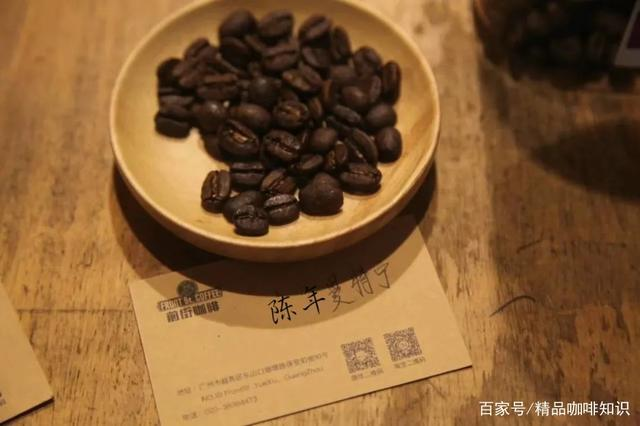
Modern aged Mandheling processing is quite mature. The beans are first processed by the wet-hulled method—that is, within the ordinary washed process, they are sun-dried in parchment for 2 to 3 days, bringing moisture content down to 20%–24%, after which the parchment is removed and the green beans are dried to 12%–13%. The initially processed beans are stored in specific warehouses that must be cool and ventilated, and they are turned regularly to prevent mold. The entire aging process usually lasts 2 to 3 years, during which acidity gradually weakens and transforms into richer sweetness, and the beans' color shifts from light to dark, mostly appearing yellowish-brown or dark brown—highly recognizable. These changes give aged Mandheling a roundness and weight reminiscent of aged pu-erh tea, with a deeper, more captivating flavor.
The aged Mandheling currently on the market is mainly made from Caturra and Typica. Caturra is a natural mutation of Bourbon; the plant is shorter and easier to harvest, and its disease resistance and yield are both better than Bourbon's, with flavors often showing fresh fruit acidity and delicate sweetness. Typica has red-copper-colored top leaves and is commonly known as “red-top coffee”; although it is difficult to cultivate and low-yielding, its flavor is fine and elegant, and it is widely recognized as a classic variety among specialty coffees.
Take aged Mandheling from Indonesia's Sumatra region as an example: it is grown at an altitude of about 1,500 meters and processed by the traditional wet-hulled method, which gives this bean a distinct regional character and aging potential. If you want to recreate a professional-level flavor profile at home, you may refer to the following brewing recipe:
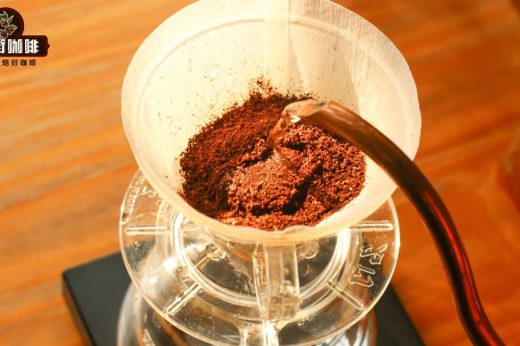
Dripper choice: Kono dripper (fewer ribs, concentrated at the bottom; the filter paper fits tightly, restricting airflow and extending contact time between water and grounds, which helps achieve fuller extraction and greater body)
Water temperature: 86°C
Dose: 15 g
Coffee-to-water ratio: 1:15
Grind size: medium-fine (BG#6W standard suggested, close to the texture of fine granulated sugar)
The recommended brewing technique is staged extraction: first bloom with 30 g of water for 30 seconds, then pour in a small, steady circular stream to 125 g and pause; when the water level is about to expose the coffee bed, continue pouring to 225 g and stop. Keep the total extraction time to about 2 minutes (timed from the start of the bloom), and remove the dripper when the water level again approaches exposing the bed.
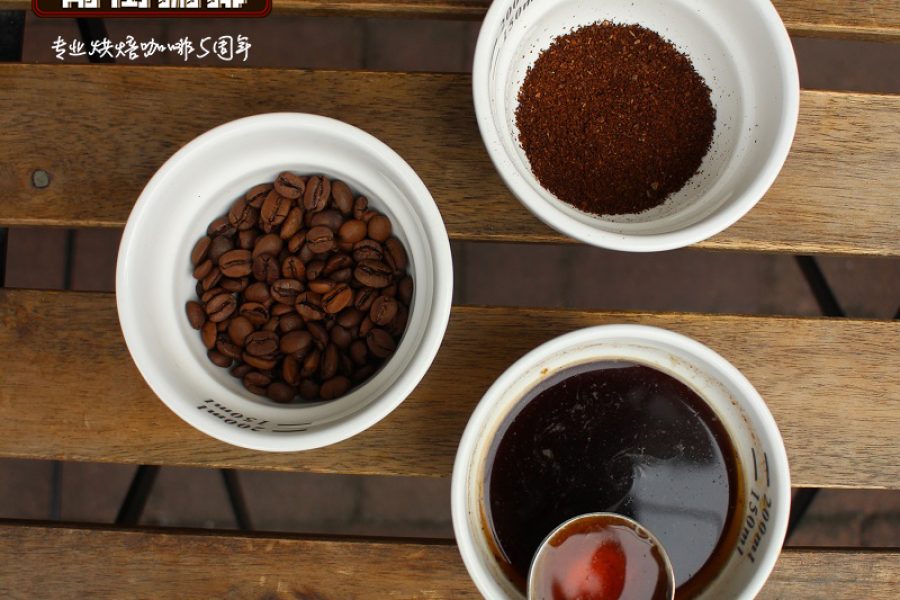
This brewing method balances the rich base and delicate layers of aged Mandheling, avoiding the bitterness caused by over-extraction. Once brewing is complete, you will notice pronounced woody aromas, malt sweetness, and caramel notes; on the palate the acidity is low and gentle, with flavors dominated by the warmth of ripe pu-erh, caramel sweetness, herbal notes, and a chocolate finish—full sweetness overall, smooth and layered.