How to Brew Great Pour-Over Coffee: A Beginner's Guide to Flavor and the Full Brewing Process
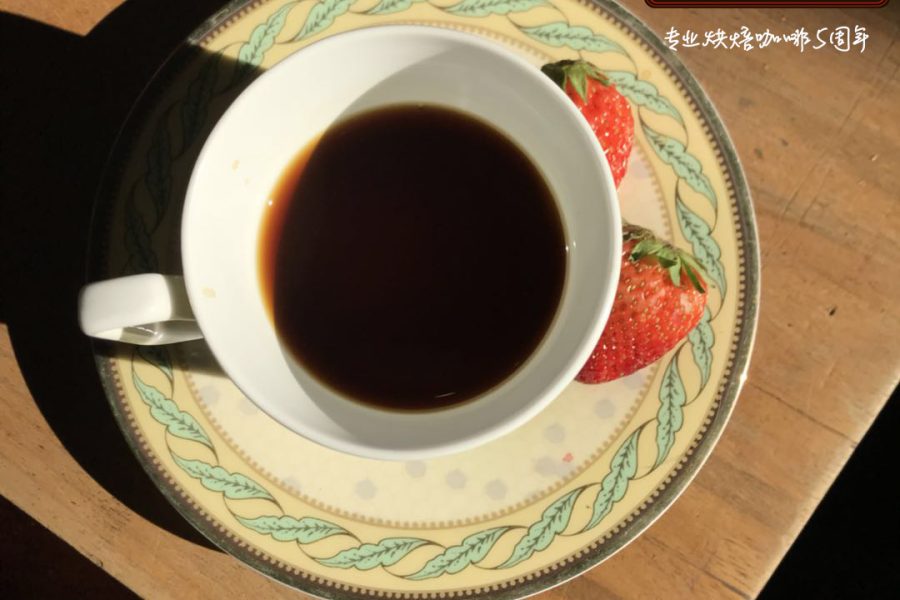
Introduction: Pour-over coffee can clearly express the regional character of single-origin beans, presenting everything from fruity acidity to full body with nuance. This article not only details the 5-step standard brewing process but also breaks down key parameters such as water temperature, coffee-to-water ratio, and pouring technique, helping you avoid common mistakes and easily brew a layered cup. It also includes practical details like filter preparation and blooming techniques, so even beginners can get started quickly.
In coffee enthusiast circles, pour-over coffee has long been favored for its precise expression of flavor. Compared with the intensity of espresso, it better restores the unique character of beans from different regions—whether the bright citrus notes of Ethiopian beans or the nutty, chocolatey finish of Central and South American beans, all can be clearly presented through pour-over technique.
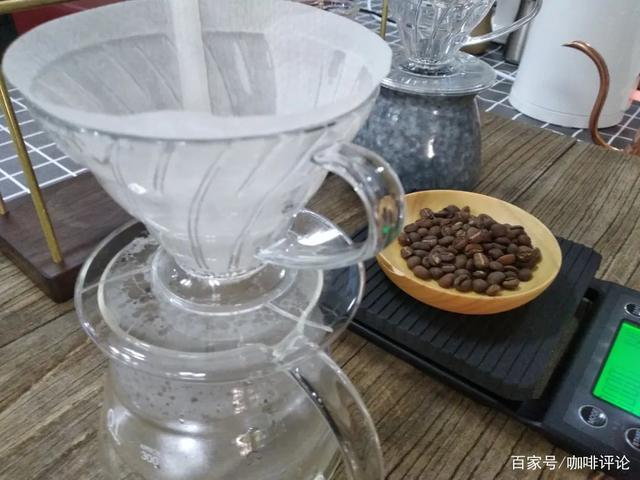
Before starting to brew, the first step is preparing the filter. Fold a fan-shaped filter twice into a cone shape, place it in the dripper, and be sure to rinse it with hot water close to boiling point (about 98-100°C). This step serves two purposes: it removes any residual papery taste from the filter and preheats the dripper and server, preventing a sudden drop in the coffee liquid's temperature that could affect extraction. When rinsing, pour in a circle from the center outward to ensure the filter hugs the dripper wall with no gaps.
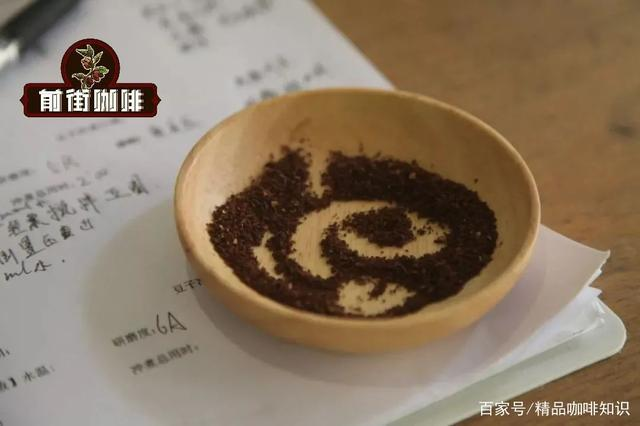
Grind size directly affects extraction efficiency. It is recommended to grind the coffee beans to a coarseness similar to fine granulated sugar (about 800-1000μm). Too fine and it easily clogs the filter holes, causing over-extraction and bitterness; too coarse and the water flows too fast, resulting in under-extraction. Weigh out 15 grams of ground coffee and pour it into the dripper. At this point, strictly follow a 1:15 coffee-to-water ratio—that is, the final total pouring water is 225 milliliters (15 grams × 15). This ratio balances strength and mouthfeel and suits most medium-light roasted beans.
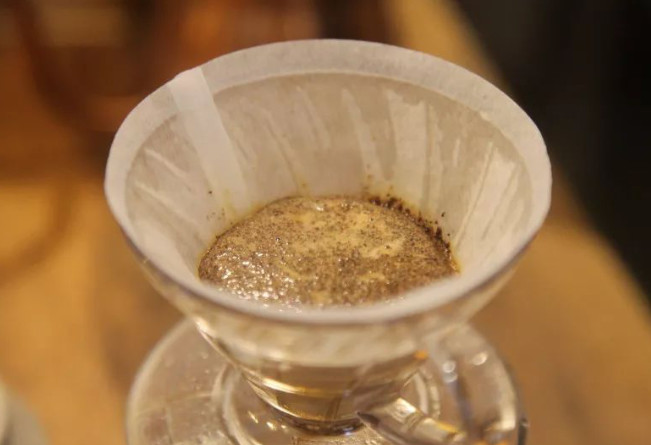
Blooming is the key step to awakening the coffee grounds. First, use 30 milliliters of hot water at about 92°C (roughly twice the amount of coffee grounds), pouring slowly with the center as the circle's center, so the water only wets all the coffee grounds without penetrating the bottom layer. Let it sit for 30 seconds to wait for the "blooming reaction"—freshly roasted coffee grounds will begin releasing carbon dioxide, shown by the bed visibly swelling and rising, accompanied by a faint "hissing" sound. If the bed shows no movement at all, it may mean the beans have been stored too long.
Formal pouring requires controlling flow rate and path. First, use a thin stream to pour in a spiral down along the inner wall of the dripper, starting with 90 milliliters (6 times the coffee amount) up to 120 milliliters (8 times), pouring once every 10-15 seconds to ensure the coffee grounds are evenly wetted. Be careful to avoid directly hitting the center of the coffee bed, otherwise it will cause localized over-extraction. Then proceed to the second pouring stage, slowly adding 100 milliliters of hot water so the total water reaches 225 milliliters, completing the drip through in about 2 minutes. If using a thin-spouted pour-over kettle, you can practice small circular wrist movements to improve stability.

Observing the drip state is important: when the coffee liquid's flow rate noticeably slows (at about 2 minutes), ensure all liquid has dripped into the server. If it still hasn't finished dripping after 3 minutes, it may be that the grind is too fine or the tamping pressure is uneven. The finished coffee liquid is usually between 85-90°C; tasting it hot lets you better perceive floral and fruity aromas and sweetness; after it cools slightly (around 70°C), the balance of body and acidity becomes more apparent.

Common issue reminders: if the filter is not completely wetted, a papery taste will mix into the coffee; if the water temperature is too high (above 94°C), it easily extracts too much tannic acid and produces bitterness, while if too low (below 88°C), it cannot fully extract aromatic substances; if the water flow fluctuates during pouring, extraction will be uneven, so it is recommended to practice a stable pouring technique in advance. Master these basic points, and even beginners can gradually brew a quality pour-over coffee with regional character.