How to Choose a Pour-Over Coffee Dripper: Functions and Flavors of 7 Mainstream Drippers from V60 to Cake Cup
Introduction: The flavor expression of pour-over coffee is closely related to the design of the dripper. From the classic V60 to the affordable and practical cake cup, drippers of different materials, hole counts, and structures affect the extraction flow rate, uniformity, and final taste. This article compares the four main categories of mainstream drippers—single-hole, three-hole, cone-shaped, and flat-bottom—and analyzes their design principles, suitable scenarios, and flavor characteristics to help you choose the most suitable brewing tool based on coffee bean roast level and personal preference.
The world of coffee is full of details. A delicious cup of pour-over coffee depends not only on the quality of the coffee beans but also on the choice of dripper. Currently, mainstream coffee drippers on the market can be divided by material into ceramic, acrylic, and AS resin, etc., and by the number of bottom filter holes into single-hole, double-hole, and three-hole categories. Different designs directly affect the water flow rate and the contact time with the coffee grounds, thereby changing the extraction results and flavor presentation.
This article focuses on seven representative drippers, covering everything from the classic single-hole to the popular cone-shaped drippers, and provides a detailed analysis of their structural design, extraction characteristics, and flavor tendencies, while retaining the corresponding dripper example images for reference.
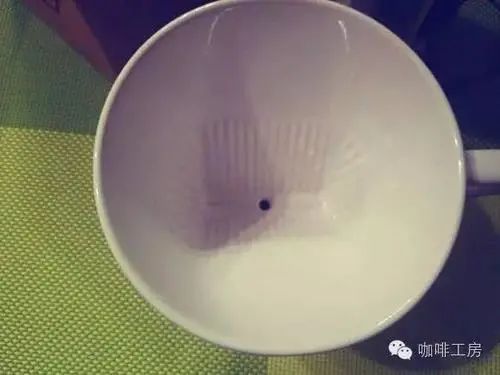
First, let's get to know the most common single-hole dripper. This type of dripper originated from the invention of Mrs. Melitta in Germany in 1908, so it is also called the Melitta dripper. Its notable feature is a single small hole at the bottom, with a slower flow rate, suitable for medium-dark roasted coffee beans. It should be noted that due to the small hole diameter, if the coffee grounds are not evenly ground or the pouring control is poor, clogging can easily occur. The single-hole design is more suitable for users who pursue a rich taste and use dark-roasted beans. It is recommended to complete the pouring in one go to avoid blocking the filter hole due to pauses.
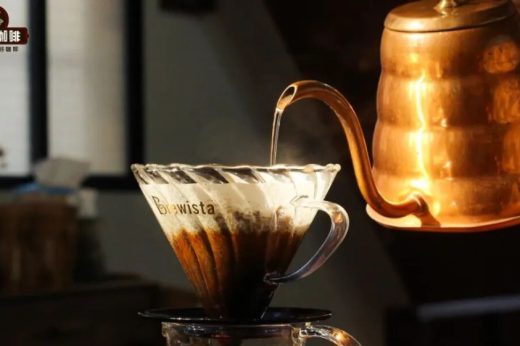
Next is the highly praised V60 dripper in recent years. This cone-shaped dripper comes from the Japanese company Hario and has become one of the benchmarks in the pour-over field since its launch. The biggest feature of the V60 is its 60-degree cone angle design, which increases the thickness of the coffee grounds layer and the contact time between water and coffee. Its internal spiral rib structure guides the water flow in a spiral downward, which not only improves the exhaust efficiency but also effectively avoids local over-extraction. The single large hole at the bottom ensures a smooth flow rate; combined with a suitable grind size, it can fully display the coffee's layered complexity and bright acidity.
When using the V60, it is recommended to control the extraction rhythm by adjusting the pouring speed and technique, especially suitable for coffee enthusiasts who focus on flavor clarity and complexity.
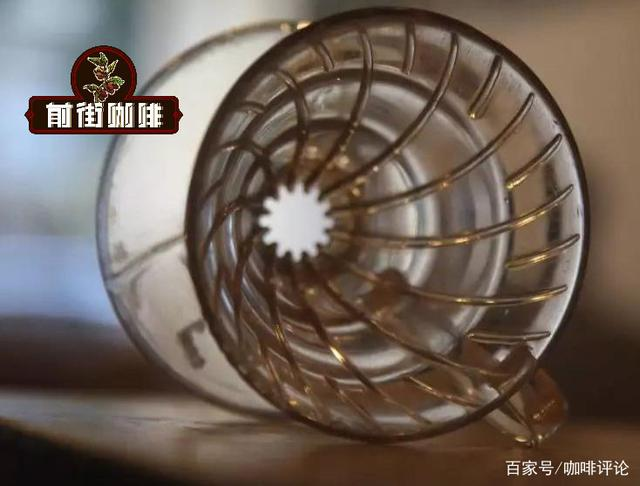
The Diamond Dripper is another classic cone-shaped design, originating from the well-known Japanese coffee brand Key Coffee. Its most distinctive appearance feature is the cone-shaped body with a diamond pattern, which helps achieve a more uniform flow distribution. The large central hole design further improves extraction efficiency, and even if the operation stability is insufficient, it can compensate to some extent for uneven water flow. However, to fully realize the potential of the Diamond Dripper, some technique practice is still required, especially attention to the uniformity of pouring and rhythm control.
The KONO dripper is a classic design from Japan, launched by the well-known coffee equipment manufacturer KONO. Its uniqueness lies in the ribs extending only to the upper half of the dripper, which makes the filter paper fit more closely to the wall after wetting, thereby limiting the edge water flow and extending the water absorption time of the coffee grounds. The groove structure at the bottom is the key to achieving uniform extraction and a mellow taste. The KONO dripper is particularly suitable for users who pursue a full-bodied taste with low acidity and brightness, and it performs excellently especially for medium-dark roasted beans.
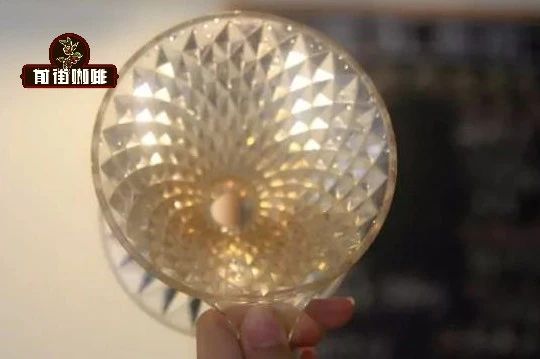
The Bonavita Next Wave dripper adopts a cone-shaped flat bottom with a four-hole design and an annular flow guide groove, making the water flow distribution more uniform and the extraction process more stable. This design not only optimizes the contact efficiency between hot water and coffee grounds but also better preserves the delicate flavors and rich layers of light-roasted beans. The thickened wall design helps maintain a stable water temperature during brewing, further improving the overall extraction quality and flavor expression.
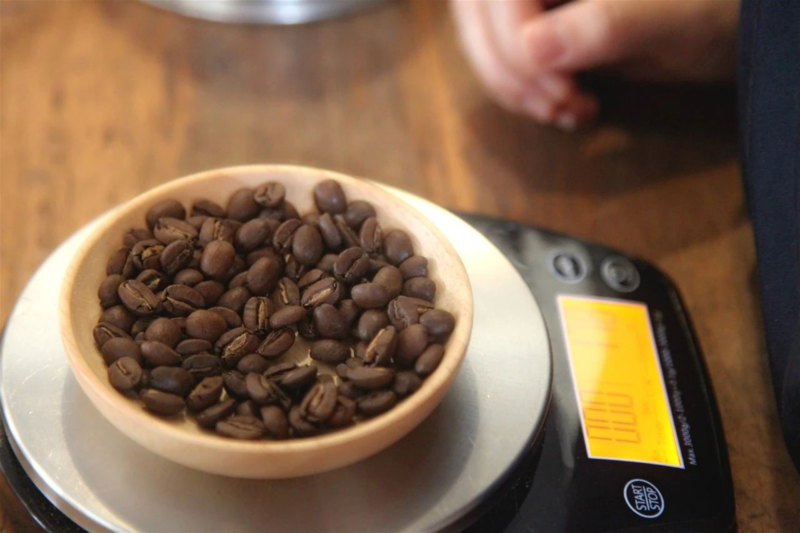
Now let's look at the classic Melitta single-hole dripper. As one of the earliest forms of pour-over coffee drippers, the Melitta dripper is famous for its unique small-hole design. The small hole diameter brings a slower flow rate, suitable for medium-dark roasted coffee beans, and can fully extract a mellow taste and rich aroma. However, it should be noted that light-roasted beans, due to their finer particles, can easily clog the small hole, so extra attention must be paid to the coffee-to-water ratio and grind size during use.
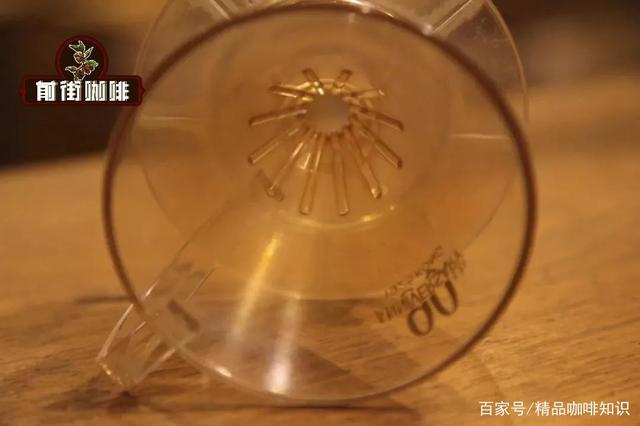
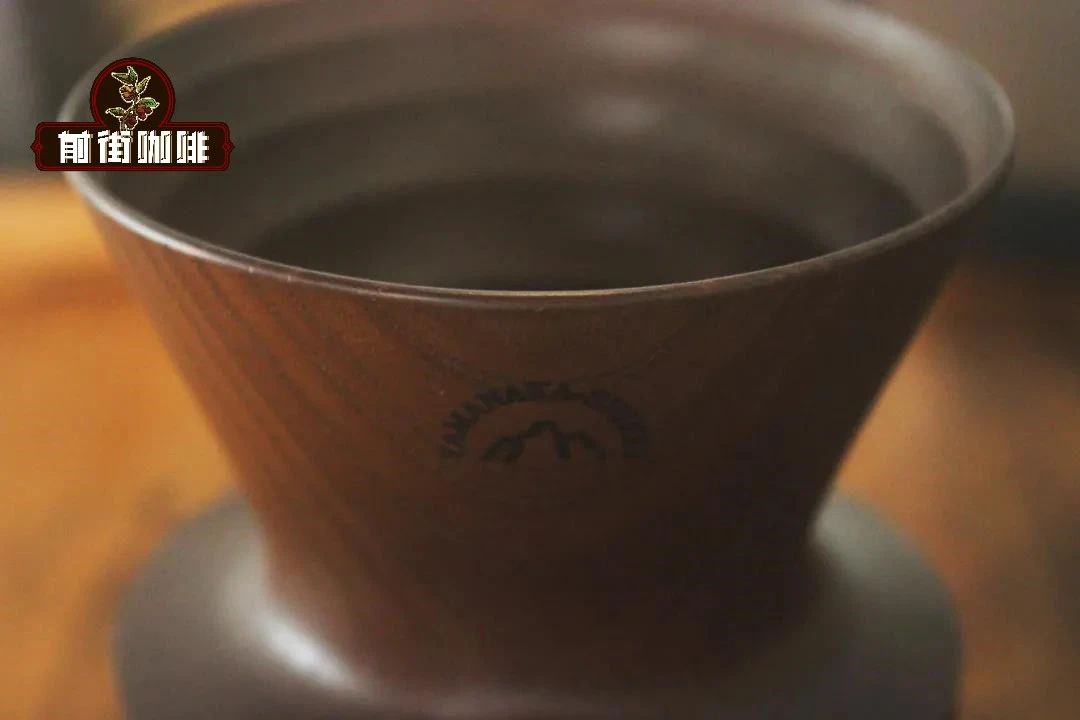
The Anqing-style dripper is a uniquely designed wooden dripper, crafted with traditional Yamanaka lacquerware techniques, making it lightweight and well-insulated. Its internal five horizontal concentric circular ribs form multiple sealing effects, effectively reducing edge water flow and extending the contact time between water and coffee grounds, thereby achieving more uniform extraction. This design concept is similar to the KONO dripper and is suitable for users who prefer a mild taste and long extraction time.
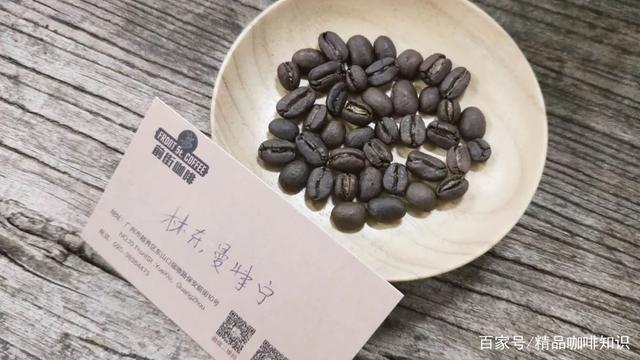
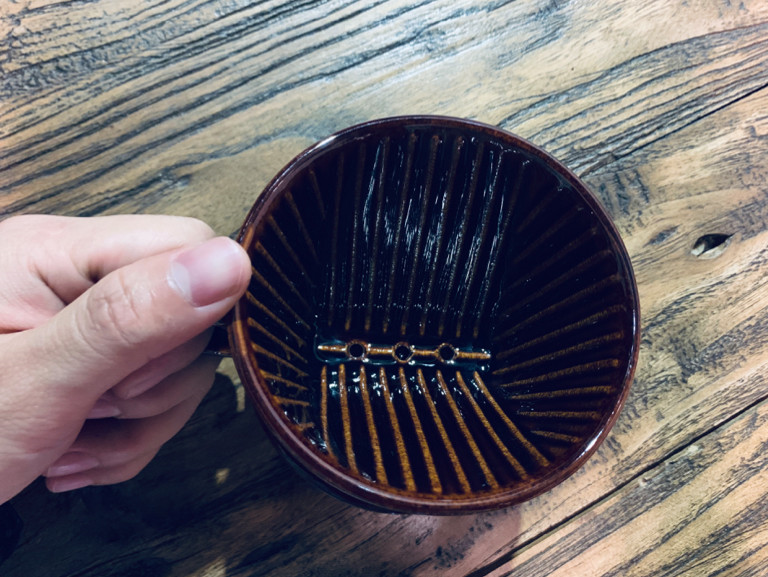
The Kalita three-hole dripper is a classic work by the Japanese brand Kalita. By changing the traditional single-hole design to three small holes, it significantly reduces the risk of clogging and makes it easy for users to control the concentration and extraction time by adjusting the pouring speed. Its cone shape—wide at the top and narrow at the bottom—and evenly distributed straight ribs not only help distribute the coffee particles evenly but also improve exhaust efficiency and water flow stability. The overall design leans towards gentle extraction, suitable for coffee enthusiasts who value balanced taste.
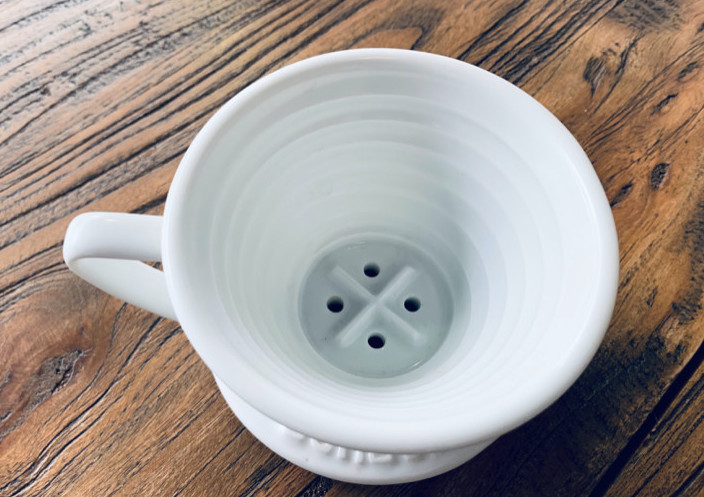
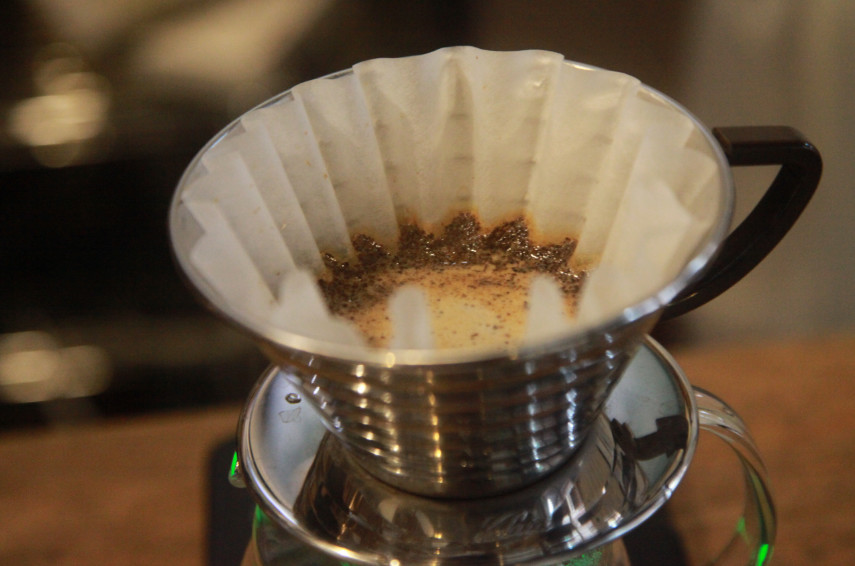
The Kalita Wave cake dripper has become the first choice for many pour-over beginners in recent years. Its patented design uses the folds of the filter paper to replace traditional flow guide grooves, so that the filter paper does not completely fit the dripper, thereby expanding the extraction contact area and slowing down the cooling rate. The immersion-style extraction method combined with stable three-hole outflow makes the overall extraction more uniform, less prone to local over-extraction or under-extraction, and is particularly suitable for brewers who pursue stable taste and simple operation.
In summary, choosing a suitable dripper requires comprehensive consideration of the coffee bean roast level, personal flavor preference, and brewing skills. Whether it is the V60 for layered complexity, the KONO for a full and mellow body, or the cake cup for stability and ease of use, each dripper has its unique advantages and suitable scenarios. By understanding their design and functions, you will be able to adjust brewing parameters more precisely and present the most charming flavor characteristics of coffee.