Coffee Bean Processing Methods: Flavor Secrets from Traditional to Anaerobic Fermentation
Introduction: Coffee flavor comes not only from origin and variety—the processing method is the key that determines the soul of a cup of coffee. This article takes a deep dive into six traditional methods, including washed, natural, and honey processing, reveals the scientific principles behind anaerobic fermentation and flavor-added processing, and compares the essential differences between the two in terms of microbial use and flavor orientation. From the heavy, mellow richness of Southeast Asia's wet-hulled method to the molasses-like layers of Central America's honey processing, this guide helps you understand the craft aesthetics behind coffee bean processing.

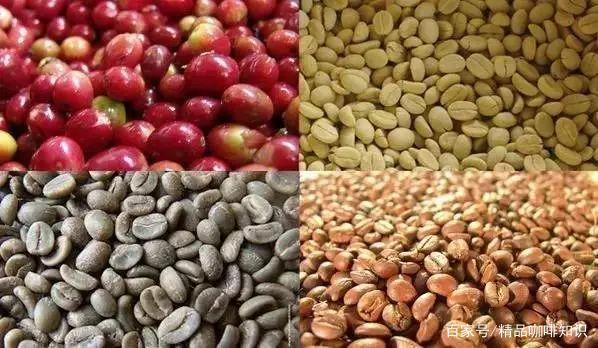
In the journey of coffee beans from harvest to roast, processing is the most critical intermediate step. Coffee farmers and processing plants around the world use different methods to transform the same Arabica fruit into specialty coffees with vastly different flavors. The three traditional methods—washed, natural, and honey—established the basic framework of flavor, while the emerging anaerobic fermentation and flavor-added processing represent the breakthrough directions of modern coffee technology.
Semi-washed processing (wet-hulled method) is the signature craft of Southeast Asian coffee. The core step is to mechanically remove the parchment while the mucilage layer is not yet fully dry (30%–35% moisture content), leaving the coffee beans directly exposed to the subsequent drying environment. This special treatment produces the distinctive swamp-green color of raw beans and creates the signature low-acidity, full-bodied taste of Mandheling. The volcanic soil and high-humidity environment of Sumatra, Indonesia, allow this method to consistently produce coffee with earthy and spicy notes.
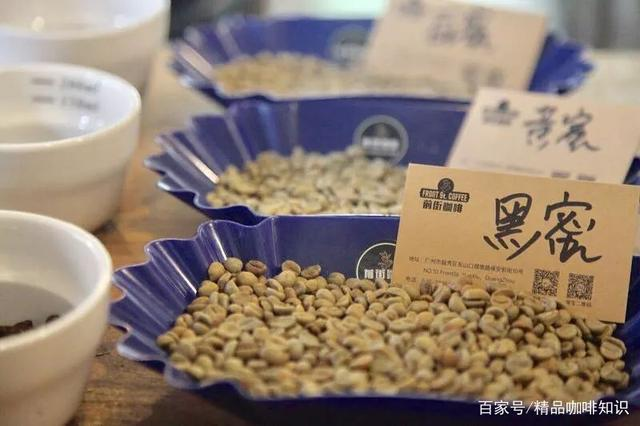
The essence of honey processing lies in the graded retention of the mucilage layer. Yellow honey retains 38% mucilage and dries for 7–9 days, presenting bright acidity; red honey retains 25% mucilage and requires more than 14 days of shaded drying, developing fuller tartaric acidity; black honey removes less than 10% mucilage and undergoes more than 21 days of precisely temperature-controlled drying, ultimately presenting a caramel-chocolate finish. By adjusting the amount of mucilage and the intensity of sun exposure, Central American coffee farmers can create a multi-layered flavor spectrum within a single region.
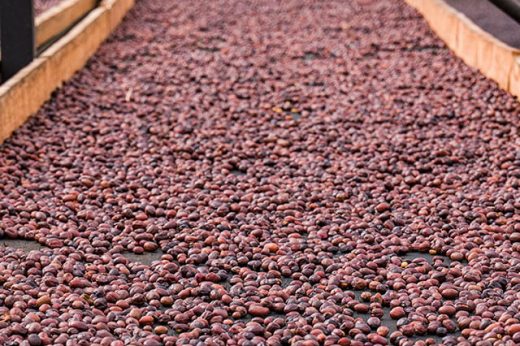
As the oldest method, natural processing dries the fruit directly on drying beds for 27–30 days. The beans must be turned at least 3 times a day to prevent localized mold, and the final moisture content is precisely controlled at 11.5%–12.5%. High-quality natural beans develop tropical fruit aromas such as blueberry and passion fruit, but strict selection of intact, ripe fruit is required—defective beans produce obvious fermented defect flavors during natural drying.
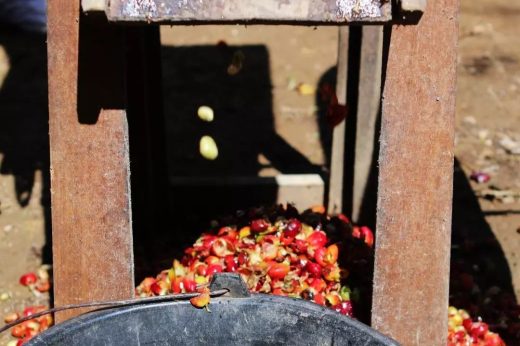
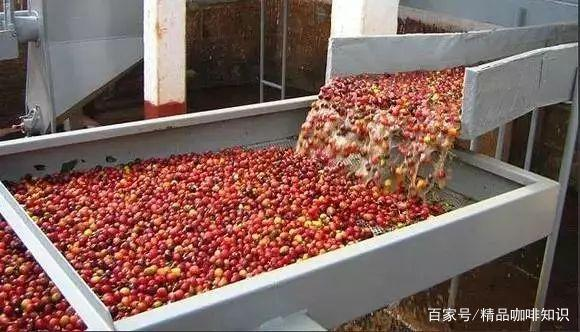
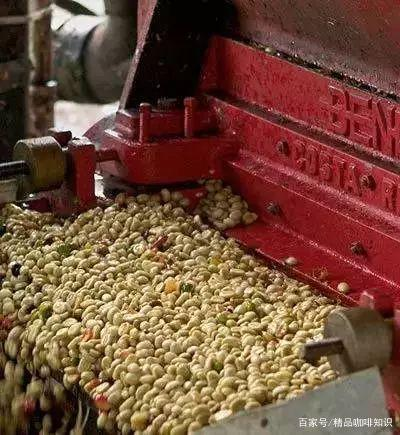
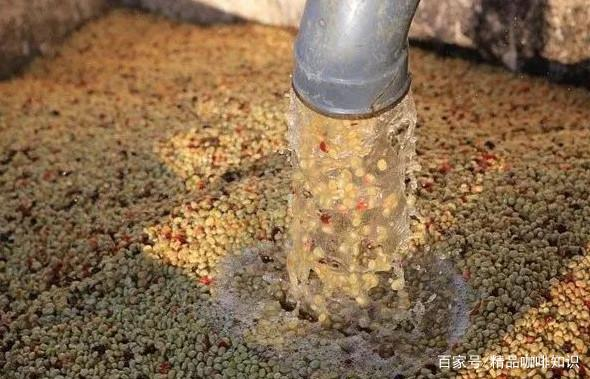
The industrial workflow of washed processing reflects precise control. During the fermentation stage, the degree of mucilage removal must be judged by density testing (usually 16–36 hours), after which the remaining sticky residue is rinsed off with running water. High-altitude regions such as Guatemala use a double washing-channel design: first floating to remove immature beans with insufficient density, then gently removing the parchment through a friction drum. Coffee beans produced by this method have high density and are suitable for light-to-medium roasts that highlight citrus-like acidity and aroma.
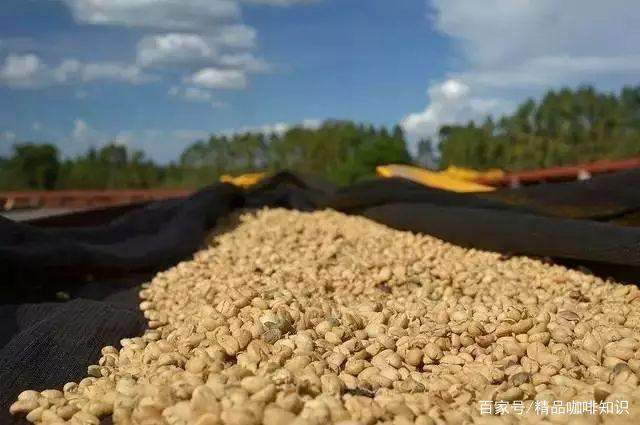
Semi-natural processing is Brazil's key innovation for improving quality. After removing floating beans, the pulp is immediately removed while the intact mucilage layer is retained for 36–48 hours of rapid sun drying, combined with mechanical drying to compress the total drying time to within 7 days. This method preserves some molasses-like sweetness while avoiding the woody off-flavors that often occur in Brazil's traditional natural processing, creating a distinctive blend of brown sugar and nutty flavors.
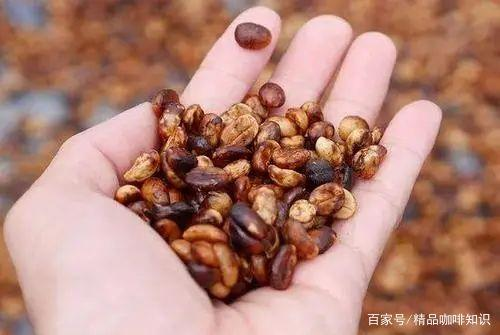
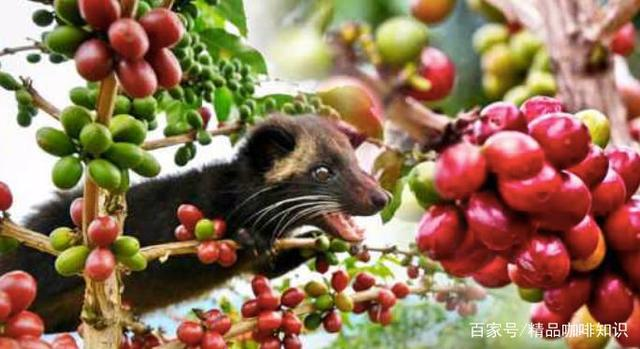
In vivo fermentation is a product of specific regions. The strongly acidic environment of pH 2.5–3.5 in the digestive tract of animals such as civets can selectively break down fruit fiber without damaging the endosperm cells. However, the modern specialty coffee industry increasingly uses controllable lactic acid bacteria fermentation as a substitute, inoculating specific strains in sealed containers to simulate the animal digestion process, ensuring hygiene standards while precisely regulating fermentation parameters.
The core of anaerobic fermentation technology is creating an oxygen-free environment. Depulped coffee beans are placed in sealed stainless steel tanks, carbon dioxide is injected to displace oxygen, and fermentation is carried out for 18–72 hours at a controlled temperature of 18–22°C and a pressure of 0.8–1.2 bar. Under oxygen-deprived conditions, microorganisms preferentially break down sugars to produce ester aromatic compounds. This method can intensify explosive tropical-fruit aromas, but professional equipment is needed to monitor gas concentration and pH changes.
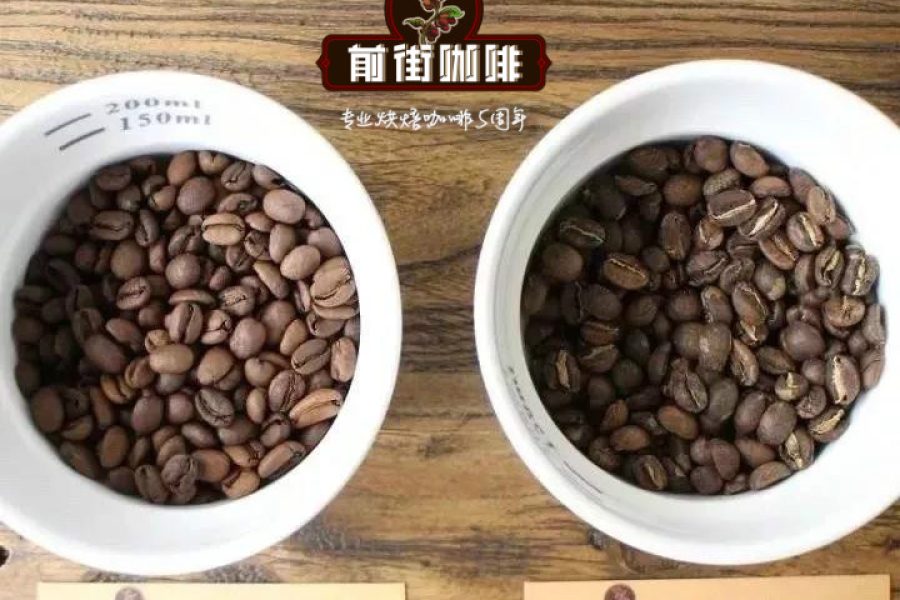
The essential difference between flavor-added processing and anaerobic fermentation lies in the source of flavor: the former directly attaches flavor substances such as vanilla and caramel to the surface of raw beans through soaking; the latter relies on microbial metabolism to naturally generate aromatic compounds. Professional roasters suggest that anaerobically processed coffee is better suited to pour-over methods that highlight floral and fruity notes, while flavor-added beans are mostly used for creative specialty drinks. Only by understanding these processing differences can you make the best choice based on your brewing equipment and drinking occasion.