How to Make Iced Coffee with Freshly Ground Coffee: Water Temperature, Ice and Brewing Parameters

Introduction: Want to make a refreshing iced coffee easily at home? This article explains in detail the correct method for brewing iced coffee with freshly ground coffee, including whether to use hot water for extraction, the golden ratio for adding ice, and the key parameters that affect flavor. From bean selection to blooming technique, it helps you avoid common mistakes and improve your home coffee quality with a scientific approach.
When making iced coffee at home in summer, many people struggle with the choice of brewing water temperature. In fact, extracting with hot water and then adding ice is the most reliable method—high temperatures fully release the coffee's flavor compounds, and the taste is more balanced after cooling. Experiments show that brewing with 90-93°C hot water and then adding ice preserves floral and fruity notes better than brewing directly with cold water. So how much ice should you add? It is recommended to pair every 150 ml of coffee liquid with 200-250 g of ice, which cools quickly without over-diluting.

1. Key Factors in Choosing Coffee Beans
Quality coffee beans are the foundation. Prioritize well-known origins such as Panama and Ethiopia. Beans from these regions usually have bright acidity and rich complexity, such as the citrus notes of Panama Geisha or the blueberry aroma of Ethiopian natural beans. As for varieties, Caturra (balanced flavor) and Bourbon (pronounced sweetness) are widely accepted. Beginners do not need to chase expensive limited-edition beans; for daily drinking, choose medium-light roast everyday beans.
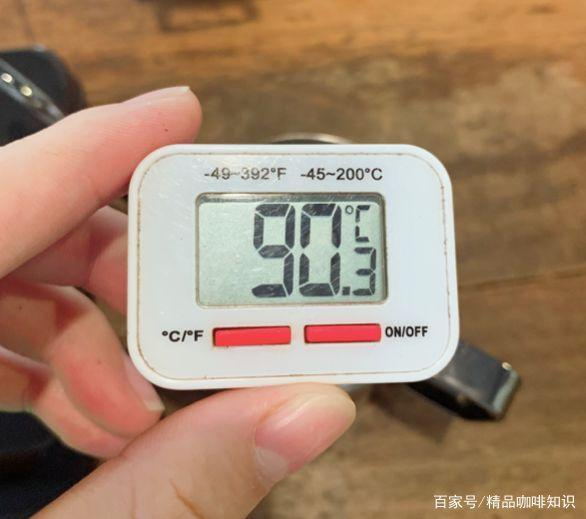
2. Precise Control of Water Temperature and Grind Size
Water temperature directly affects extraction efficiency: medium-light roasted beans (such as Ethiopian Yirgacheffe) are best at 90-93°C, while dark roasted beans (such as Mandheling) should be lowered to 85-88°C to prevent over-extraction. Grind size should resemble fine granulated sugar; if the water flows too slowly (more than 3 minutes), the grind may be too fine and clogging the filter paper. Common mistake: brewing iced coffee directly with boiling water leads to over-extraction at high temperature and produces a burnt, bitter taste.

3. The Key Role of Coffee-to-Water Ratio and Blooming
The standard coffee-to-water ratio is 1:15 (for example, 15 g of coffee to 225 ml of water); for iced coffee it can be adjusted to 1:16 to reduce concentration. The blooming step is often overlooked—use 2-2.5 times the coffee dose in water (for example, 30-40 ml of water for 15 g of coffee) to evenly wet the grounds, and let the coffee degas for 20-30 seconds. Freshly roasted beans need a longer bloom time, while stale beans should be shortened to about 15 seconds to avoid excessive carbon dioxide release affecting extraction.
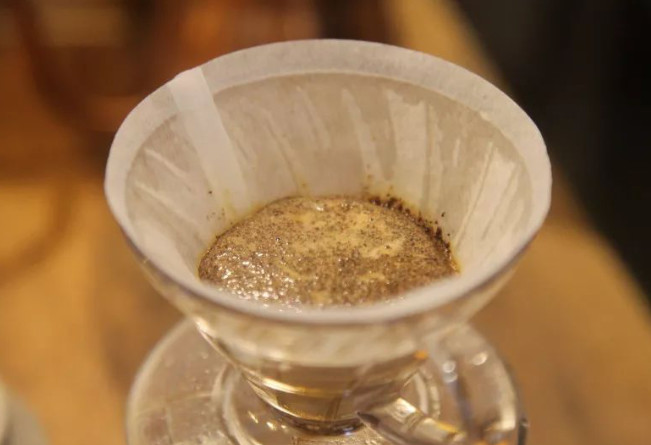
4. Special Techniques for Iced Coffee
If you want to brew iced coffee directly with cold water, it is recommended to choose a coarse grind and extend the extraction time to more than 4 minutes, while stirring to improve the extraction rate. Another professional method is "cold drip extraction": place the ground coffee in a filter basket and let ice water drip slowly (1-2 drops per second); the whole process takes about 3-4 hours and yields an extremely clean flavor. Note that this is not recommended for frequent home attempts, as it is time-consuming and has a relatively high barrier to operation.

In summary, the key to making quality iced coffee is: fully extract flavor compounds with hot water and then add ice to cool it down, control the coffee-to-water ratio and grind size, and pay attention to the degassing process during blooming. Fine-tune the parameters to your personal taste—if you like bright acidity, raise the water temperature to 93°C; if you prefer a fuller body, extend the bloom to 30 seconds. Master these basic principles, and you can consistently recreate a café-level iced coffee experience at home.


