Peru Selva Andina Washed Typica: Organic Certification + High-Altitude Flavor Guide
Introduction: Discover the secrets of specialty coffee from Peru's northern high-altitude growing region—how the Selva Andina cooperative uses organic farming and meticulous washed processing to create Typica coffee beans with citrus notes and bright acidity. This article details its cooperative model, harvest standards, processing methods and flavor characteristics, offering coffee lovers a reference for choosing beans and brewing.
Located in northern Peru, Selva Andina (meaning "Andean Forest") is a democratic cooperative made up of smallholder farmers from the Cajamarca and Amazonas regions. Known as the "Association of Andean Forest Coffee Producers," the organization focuses on one thing: growing high-quality coffee through sustainable agriculture. They not only adhere to organic farming but also serve as a core driving force for local coffee community development by improving members' living standards and strengthening the specialty coffee supply chain. The cooperative currently holds USDA (United States Department of Agriculture), EU (European Union) and Peruvian organic certifications, and also meets fair trade standards.
Selva Andina strictly controls every step from branch to cup. Member farmers selectively hand-pick only fully ripe red coffee cherries, avoiding green or underripe fruit—the foundation for pure flavor. On the day of picking, the cherries are immediately sent to each farm's mechanical pulper to remove the outer skin, then placed in cement tanks or wooden tanks for fermentation. After fermentation, the beans are thoroughly washed with clean water and spread on cement drying beds, wooden/mesh trays, or covered solar tents to dry naturally. The entire drying process requires precise control of temperature and humidity. Once fully dried, the beans are sent to a private facility in the Piura region for dry milling, and after passing professional cupping quality inspection, they are exported worldwide through the port of Paita.
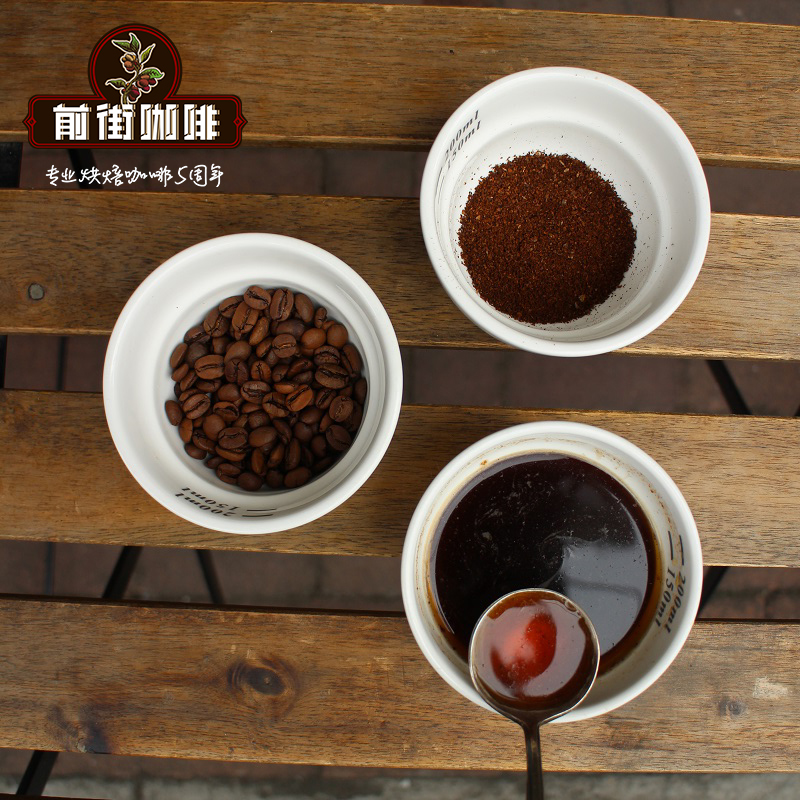
In 2015, the cooperative received dedicated government funding to upgrade the post-harvest facilities needed for specialty coffee. This funding helped member farmers replace their pulpers with new models, improve fermentation hygiene by lining cement tanks with tiles, and optimize the efficiency of solar dryers. More importantly, the cooperative used it to establish a standardized cupping laboratory capable of more precisely analyzing coffee flavor performance, providing data to support subsequent quality improvements. These improvements directly address the supply needs of special markets (such as the specialty coffee sector), making Selva Andina's coffee more competitive in the eyes of international buyers.
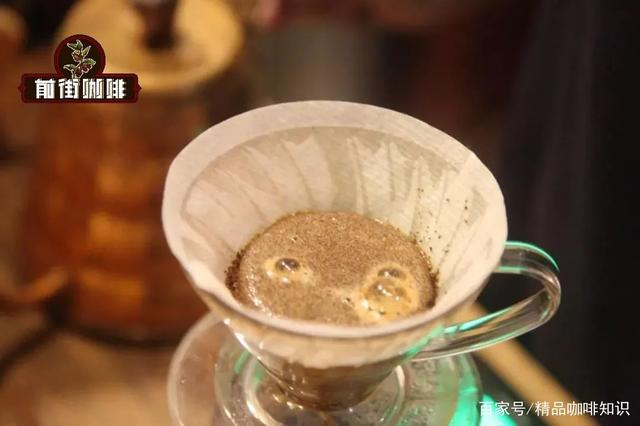
This highly regarded washed Typica coffee comes from the Cutervo area of Peru's Cajamarca province, grown at elevations between 1,600 and 1,850 meters—an altitude that gives the beans a slower growth rhythm and allows them to accumulate richer sugars and flavor compounds. The core growing areas include the three communities of Miraflores, Tablabamba and Pabellon, where local smallholders have been rooted for generations and know every detail of high-altitude cultivation. In terms of varieties, the cooperative grows a mix of classic varieties such as Caturra, Typica, Pache and Bourbon, with Typica prominent among them, laying the foundation for bright acidity and a clean mouthfeel. Brewing suggestions: suitable for pour-over (92–94°C water temperature, 1:15 coffee-to-water ratio, medium-fine grind), which highlights layers of citrus, black tea and slight nuttiness; if you prefer a richer cup, try a French press (90°C, 4 minutes) to experience the subtle sweetness beneath a full-bodied base.


