Coffee Bean Roast Level and Caffeine: A Guide to Choosing Beans for Pour-Over
Introduction: Coffee lovers often wonder: which has more caffeine, light or dark roast coffee beans? Does roast level affect how alert you feel? This article analyzes core factors such as roasting temperature and physical changes in the bean, along with differences between arabica and robusta varieties, to reveal the real patterns of caffeine content. With this knowledge, the next time you buy coffee beans or adjust your brewing method, you can control your caffeine intake more scientifically.
There are two mainstream views in the industry on the relationship between caffeine content and roast level. One holds that lightly roasted coffee beans retain more caffeine, because the lower-temperature environment reduces the loss of active components; the other claims that dark-roasted products have more caffeine, based on the fact that this kind of coffee tastes stronger and more bitter.
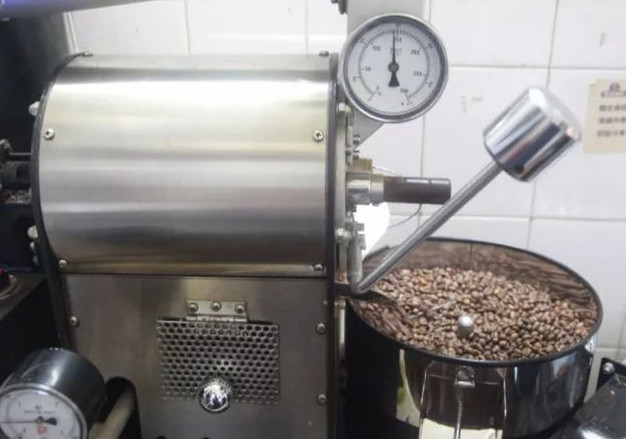
In fact, the chemical properties of caffeine are quite stable. Its melting point is as high as 235 to 238 degrees Celsius, far above the 200-230 degree range commonly used in commercial roasting. When handling specialty coffee, professional roasters usually keep the drum temperature within a safe range, ensuring caffeine is basically unaffected by the heat. This means that in a conventional roasting process, there is almost no difference in the absolute caffeine content of light and dark roasted beans.
However, coffee beans undergo significant physical changes during roasting. Fresh green beans have a moisture content of about 10%-12%, and after medium roasting (such as the city roast stage) they lose 15%-20% of their weight.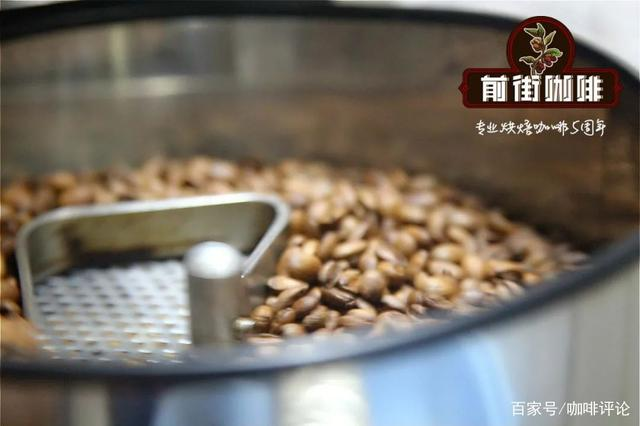 Take 100 mg of green beans as an example: if they lose 16% of their weight after roasting, the remaining bean body is only 84 mg—although the actual mass of caffeine stays unchanged at 1 mg, its share relative to the new weight rises from 1% to 1.19%. This concentration effect makes the caffeine concentration per unit weight slightly higher in dark-roasted beans.
The effect of roasting on bean volume shows the opposite trend. Continuous heating causes the coffee beans to expand and become porous, with more internal voids. Suppose the original bean volume is 10 ml; after roasting it may increase to 12-15 ml, while the caffeine volume remains constant. Calculated by volume, the caffeine distribution density is actually higher in light-roasted beans, which is one reason some people feel that lighter-colored coffee is more stimulating.
It should be specially noted that the inherent differences between coffee varieties are far greater than the effect of roasting. Arabica averages about 0.8%-1.2% caffeine, while robusta generally reaches 1.7%-2.2%. Even among arabica from the same producing region, different varieties such as Typica and Bourbon show slight differences in caffeine levels.
The variables affecting final caffeine intake are actually more reflected in the brewing stage. Grind size directly affects extraction efficiency—a fine grind can increase surface area by 30%-40%, but over-grinding may lead to over-extraction. The coffee-to-water ratio is also a key parameter; standard pour-over suggests a ratio of 1:15 to 1:18, while espresso is usually 1:2. When the water temperature is controlled in the 90-96°C range, the caffeine release rate is most stable.
 Common misconceptions among consumers include: assuming dark-roasted beans are necessarily more stimulating (in fact, caramelization reactions may mask bitterness), and mistakenly believing that the longer the roasting time, the more caffeine (the duration of high temperature has limited effect on stability). Professional advice is: if you need to precisely control caffeine intake, prioritize variety selection and weighing accuracy, and only then consider roast level matching.