How long do coffee beans last after opening? Is freezing really good? A freshness guide for pour-over
Introduction: How long can freshly opened coffee beans last? Should they be refrigerated or frozen? This article fully explains the key points of coffee bean freshness, from how to judge freshly roasted beans to the pros and cons of different storage methods, helping you master the best flavor window for pour-over coffee and avoid flavor loss caused by improper storage.
How can you tell if coffee beans are fresh? The most intuitive method is to observe their surface sheen. Freshly roasted coffee beans usually have a natural oily sheen, because the oils produced during roasting have not fully solidified and seep slightly from the bean surface. However, light-roast beans have a shorter roasting time, so their sheen is relatively softer, but they should still appear somewhat lustrous. In addition, beans decaffeinated using the Swiss Water Process usually have a less glossy surface due to the special processing method.
Besides observing the appearance, you can also judge by the packaging. Freshly roasted coffee beans continuously release carbon dioxide inside the packaging, and professional packaging usually has a one-way degassing valve to release gas while preventing oxygen from entering. If the coffee beans you receive are in a fully sealed heat-sealed bag without a degassing valve, it means these beans may have been roasted for some time and the gas has basically been released. Check your coffee packaging: is it heat-sealed and does it need to be torn open? Does it have a degassing valve? These details can help you estimate the time gap between roasting and sale.
To keep coffee beans in their best condition, proper storage is crucial. It is recommended to put whole coffee beans in an opaque, well-sealed container, avoiding direct sunlight, high-temperature environments, and proximity to heat sources (such as coffee machines, electric stoves, etc.). In addition, humid environments can easily affect coffee bean quality, so keep them away from sinks or areas prone to water seepage. Coffee beans reach their flavor peak in the first 72 hours after roasting, the so-called "freshness peak," and it is recommended to use them within this period as much as possible.
If you cannot use them up in a short time, you can consider putting unopened coffee beans in the refrigerator, but note that the refrigerator is not an ideal environment for long-term coffee bean storage. If you do not plan to use them for a short period, refrigeration can serve as a temporary solution, but be sure to seal them well to prevent them from absorbing odors from other foods in the refrigerator.
Regarding the storage of ground coffee, it is recommended to grind just before brewing to preserve the best flavor and aroma. If you really need to pre-grind coffee, choose a container that does not affect the flavor (such as ceramic) and ensure it is well sealed, keeping it at room temperature for short-term storage as much as possible. Note that ground coffee absorbs moisture and oxidizes quickly, and its flavor declines rapidly. Experts recommend using ground coffee within one hour of grinding, and no more than a week at most, otherwise the flavor will be greatly compromised.
Ground coffee is extremely sensitive to humidity. A humid environment not only affects the aroma but may also cause clumping and even spoilage. Therefore, it is not recommended to pre-grind large amounts and store ground coffee long-term; fresh grinding is the key to extracting good flavor.
For whole coffee beans, if you plan to finish them within a week, sealed storage at room temperature away from light is the best method. But if you need longer storage, you can consider refrigerator refrigeration, but be careful to avoid frequent temperature changes. It is recommended to put the coffee beans in a well-sealed container, remove as much air as possible, and then place it in a colder, less frequently opened area inside the refrigerator. Special reminder: never store coffee beans in paper packaging; the original aluminum foil or plastic packaging usually has better gas barrier properties.
If the coffee beans are expected to take more than two weeks to finish after opening, you can refrigerate the unused portion, but only take out the amount you need each time, and never put the beans that have returned to room temperature back into the refrigerator. For long-term storage, a deep freezer (a less frequently used refrigeration area) is better than a frequently opened refrigerator compartment for maintaining a stable low temperature, but even so, it is not recommended to store whole coffee beans for more than two months.
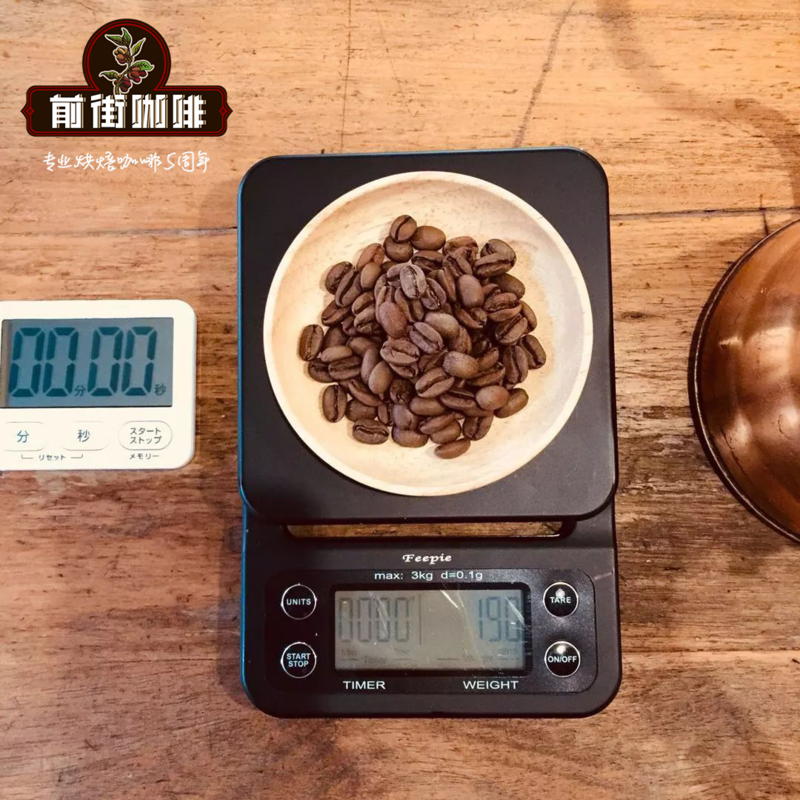
The practice of freezing coffee beans is controversial. Although extremely low temperatures can greatly slow oxidation, once coffee beans are thawed, the internal moisture distribution changes, and refreezing will cause further quality decline. Therefore, if you choose frozen storage, make sure the whole package of coffee beans is used up at once, and never repeatedly thaw and refreeze. Before placing them in the freezer, put the coffee beans in a vacuum-sealed bag or a dedicated freezer container, vacuum and remove as much air as possible, and ensure it is sealed against moisture. Even so, frozen coffee beans are still recommended to be used within two months, and their flavor performance may not be as good as beans stored fresh or refrigerated.


