Sumatra Mandheling Coffee Beans: Flavor Profile and Pour-Over Guide
Introduction: As Indonesia's most iconic coffee variety, Sumatra Mandheling holds a special place in the global specialty coffee market thanks to its distinctive earthy and spicy flavors. This article takes a deep look at the varietal origins, flavor code, and best brewing methods of this volcanic-island coffee, explaining why professional roasters often recommend it as a benchmark bean for dark roasting, while also offering practical buying and pour-over advice for beginners.
Grown on the equatorial, rain-soaked island of Sumatra, its coffee flavor is inseparable from the geographic environment. This volcanic island straddling the tropics has average annual humidity above 80%, volcanic-ash soil rich in minerals such as potassium and phosphorus, and high-altitude growing areas of 1,200–1,500 meters—together creating the signature full-bodied mouthfeel of the Mandheling line.
Sumatra mainly produces two Arabica varieties: traditional Typica and its disease-resistant improved cultivars. Mandheling is not a botanical classification but a name for local growers dating from the early 20th-century Dutch colonial period and still in use today. Notably, the region also produces large quantities of Robusta for espresso blends, but the specialty Mandheling recognized by the high-end market is all Arabica.
Three major causes of the unique flavor: first, the island's Toba volcanic complex provides continuously fertile volcanic soil; second, a stable year-round average temperature of 27°C and annual rainfall of 3,000 mm create an ideal water-heat balance; finally, the local wet-hulling method—removing the mucilage layer while the beans still have 35%–40% moisture content—accelerates drying while reinforcing the full-bodied character.
The typical flavor wheel shows a clear herbal tone: sandalwood and tobacco notes emerge at medium-low temperatures, dark chocolate and caramel sweetness stand out during high-temperature extraction, and the finish often carries an earthy mineral sensation lasting more than 15 seconds. This complexity makes it a classic bean for testing a roaster's skill in cupping competitions.
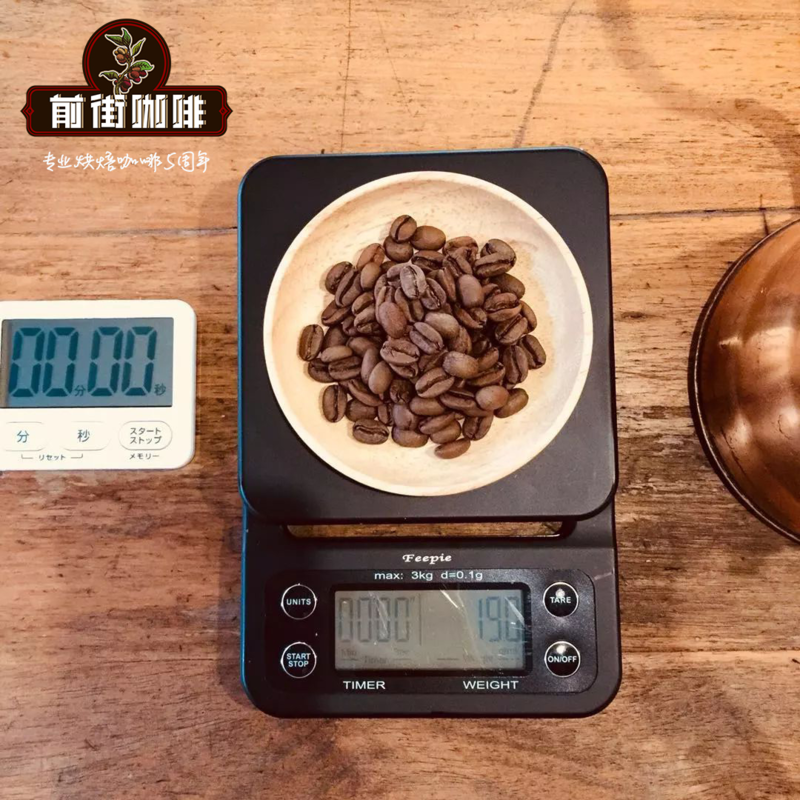
Dark roasting (Agtron 45–55) best unlocks its potential: roast to the dense stage of second crack, when phenolic compounds are fully transformed and can balance the inherent woody tones. Recommended pour-over parameters: a V60 dripper with a 1:15 coffee-to-water ratio, 92–94°C water, and a three-pour method, with emphasis on controlling the speed of the second pour to avoid over-extraction and bitterness.
Unlike light-roasted coffees favored for their fresh fruity acidity, Mandheling's strength lies in its body—professional instrument measurements show its viscosity can reach 1.8 times that of ordinary Central and South American beans. This trait makes it an excellent base for milk coffee; for lattes, choose a medium-dark roast and extend the milk-foam integration time.
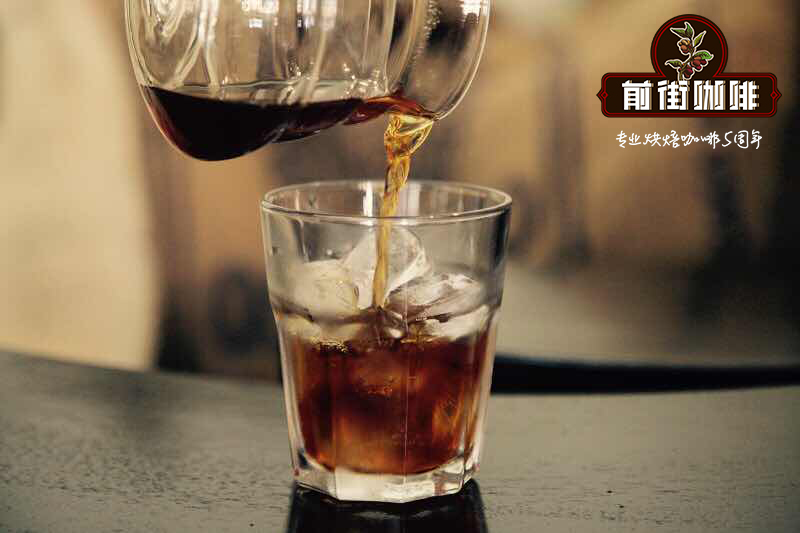
When buying, note: high-quality Mandheling green beans should have a blue-green luster and a defect rate below 3% (SCA standard). For storage, use one-way valve foil bags; shelf life is about 12 months away from light. Beginners can start with small-lot specialty beans from the Gayo region of northern Sumatra or the Mandheling region—these lots usually have a brighter citrus finish.


