Pour-Over Coffee Beginner's Guide: Chemex Brewing Techniques and Extraction Parameters Explained
Introduction: Want to make professional-level pour-over coffee with simple tools? As a classic glass dripper, the Chemex has become the first choice for home coffee enthusiasts thanks to its elegant shape and stable extraction. This article explains the full Chemex process in detail, from coffee grind size and water temperature control to pouring technique, guiding you through the 5 key parameters that affect flavor. It includes practical brewing step illustrations to help you avoid common beginner mistakes and easily brew a clean, bright cup.
Many coffee enthusiasts mistakenly believe that making high-quality pour-over coffee requires complex equipment, but in fact all you need is a Chemex dripper plus basic tools. This glass vessel, born in 1941, uses its unique conical funnel design and thick filter paper to effectively filter out coffee oils while retaining bright acidity, making it especially suitable for people who prefer a crisp, clean taste.
Before brewing, prepare four basic tools: a Chemex dripper (6-cup or 8-cup capacity is recommended), a digital scale (0.1g accuracy), a gooseneck pour-over kettle, and freshly roasted coffee beans. Note in particular that an ordinary electric kettle will affect extraction uniformity because its water flow is uncontrollable; a professional pour-over kettle with flow adjustment is recommended.
The first step is the pretreatment stage. Heat purified water to 92-96°C (30-60 seconds below boiling point); this temperature range balances the extraction rate of coffee compounds. At the same time, take out the circular filter paper and note the fold line—it usually comes with a single crease; align it with the center post of the dripper and open it into a cone shape, making sure the three layers of filter paper sit snugly against the inner wall of the dripper.
Coffee grind size is a key factor affecting taste. Chemex requires a coarser grind than standard pour-over; adjust to a granulated sugar consistency (about 800-1000 microns). If using a home grinder, refer to the medium-coarse setting. Too fine will cause over-extraction and bitterness; too coarse will cause under-extraction and a flat flavor. The standard coffee-to-water ratio is 1:15 to 1:17, for example 20g of coffee grounds to 300-340ml of water.
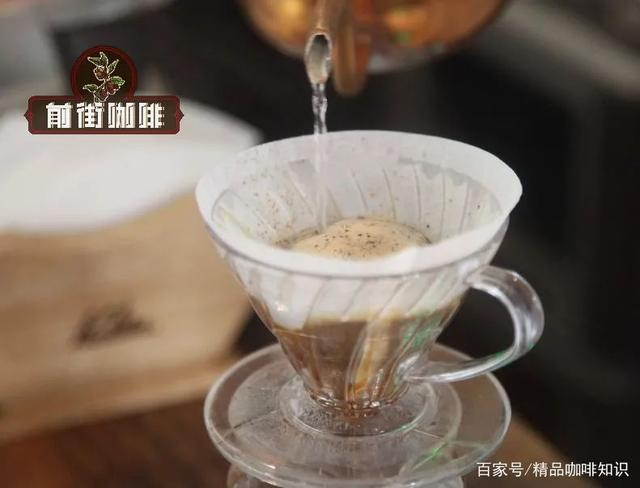
Before the actual brewing, preheat the vessel: evenly wet the filter paper with hot water, which both preheats the dripper to avoid temperature differences affecting the brew and removes any possible papery taste from the filter. After pouring out the preheating water, add the weighed coffee grounds to the center of the filter and gently tap the dripper so the surface of the coffee bed is level. At this point start the timer and first pour in a small amount of hot water (about twice the coffee weight, i.e. 40g of water) for a 30-second bloom; this step releases carbon dioxide from the coffee grounds and lays the foundation for subsequent extraction.
After the bloom, begin staged pouring. Pour in circles from the center outward, keeping the stream height at 5-8cm and the flow rate such that each pour takes 20-30 seconds. Pause after the first pour reaches 1/3 of the total water, and continue once the coffee liquid has dropped to the surface of the coffee bed; this pulse-pouring method improves extraction uniformity. The whole process should ideally be completed within 2 minutes 30 seconds to 3 minutes. If the flow is too fast, check whether the grind is too coarse, or reduce the pouring flow appropriately.
The brewed coffee should show an amber sheen, with the crema evenly distributed on the surface. Troubleshooting common problems: if the coffee has an obvious burnt-bitter taste, the water temperature may be too high or the extraction time too long; if the taste is thin and lacks complexity, check whether the grind is too fine or the coffee-to-water ratio is off. It is recommended to adjust one variable at a time, for example keeping the grind fixed and changing only the water temperature, to gradually find your preferred parameters.
For cleaning and maintenance, disassemble and wash the dripper immediately after use; residual coffee grounds easily breed mold. Chemex filter papers are designed for single use; if you are considering environmental friendliness, you can choose a metal filter, but note that it will allow more noticeable fine sediment. When not in use for a long time, wipe the inner wall of the dripper with a soft cloth to avoid water stains affecting the glass's transparency.


