Inside Indonesia's Wahana Natural Mandheling: Flavor, Processing and Brewing
Introduction: The natural-process Mandheling coffee beans from Indonesia's Wahana Estate break the monotony of the traditional wet-hulled profile. Grown at high altitude in northern Sumatra, this coffee uses a rare natural process to present a distinctive tropical-fruit character and full-bodied sweetness. This article takes an in-depth look at Wahana Estate's geography and its approach to cultivating coffee varieties, explains the key steps of the natural process, and provides a professional roast profile and pour-over parameters to help you fully experience this layered specialty coffee.
When it comes to Mandheling, many coffee lovers first think of intense herbal aromas and a heavy mouthfeel. Yet with the rise of the specialty coffee movement, more and more origins are trying to break away from traditional processing methods and bring novel flavor experiences to market. Wahana Estate in northern Sumatra, Indonesia, showcases the unique appeal of natural-processed Mandheling, distinct from the usual wet-hulled method.
Wahana Estate was established in 2005 in the Sidikalang area of northern Sumatra, near LeaMungkur village. Sidikalang has long been one of Indonesia's important coffee-producing regions, with exceptional growing conditions. The estate sits at an altitude of 1,200 to 1,500 meters, with average annual rainfall of 2,000–3,000 mm and a relatively cool climate; the temperature difference between day and night often stays above 10°C, an environment that helps the coffee cherries accumulate more sugar as they ripen, with red cherries commonly measuring over 13% Brix.
Although Wahana Estate is relatively young, its potential should not be underestimated. The estate covers about 500 hectares and plans to gradually expand its planted area in the future. Notably, a considerable portion of the estate is protected forest ecosystem, including native vegetation in valleys and along riverbanks, providing a strong safeguard for biodiversity.
Beyond ecological protection, Wahana Estate has set aside 30 hectares specifically for coffee breeding, with the aim of improving the yield and quality of its single-origin coffees. Newly cultivated coffee seedlings are first raised in sandy seedbeds for about 3 months, then moved into nursery bags to grow for another 7 to 8 months. Only then are these carefully managed seedlings transplanted to planned planting areas and marked in detail to ensure variety traceability.
Wahana Estate currently grows a range of local and international coffee varieties, including Long Berry from Aceh, Toraja from Sulawesi, the local Sumatran Rasuna, Java's S795 and Dong Sari, as well as international varieties such as Costa Rica's Villa Sachi, Caturra, Catuai and Colombia's Typica. Through this diverse planting strategy, the estate is able to explore how different varieties express themselves under the natural process.
To ensure final coffee quality, Wahana Estate implements a series of sustainable farming measures, such as planting shade trees in the fields, using organic compost, and adhering to zoned management of different coffee varieties with separate harvesting and processing. Notably, only fully ripe red coffee cherries are selected—a key prerequisite for the success of the natural process.

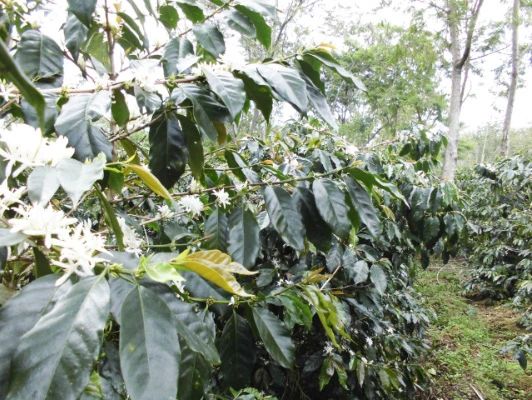
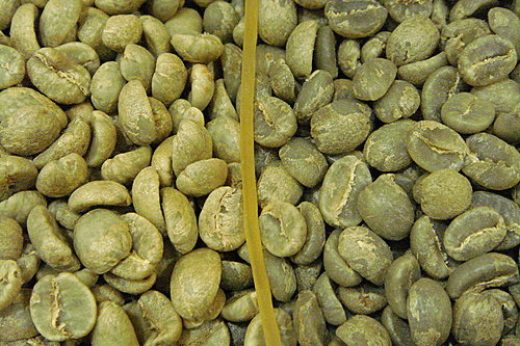
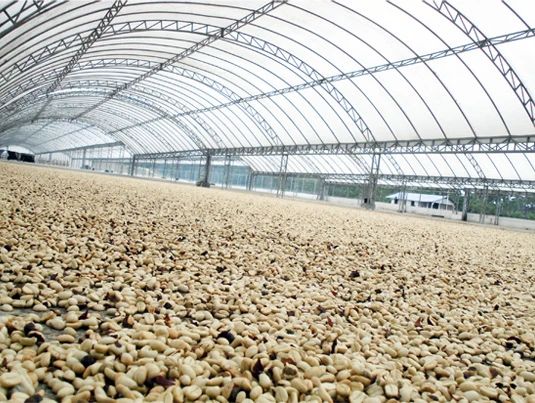
Unlike Indonesia's traditional wet-hulled method, this Wahana Mandheling uses the more demanding natural process. The first step is hand sorting to remove defective beans and underripe or overripe fruit, ensuring only premium red cherries enter the following stages.
The sorted coffee cherries are spread evenly on drying beds and turned several times a day to ensure uniform drying. The entire drying process usually lasts 2 to 3 weeks, with the actual time varying according to local climate conditions—in Indonesia's humid, rainy environment, drying often takes longer. The natural process is considered complete when the moisture content inside the beans drops to 11–13%. At this point the dried husk becomes very hard, and the outer layer is finally removed with a huller to yield the green coffee beans we know.
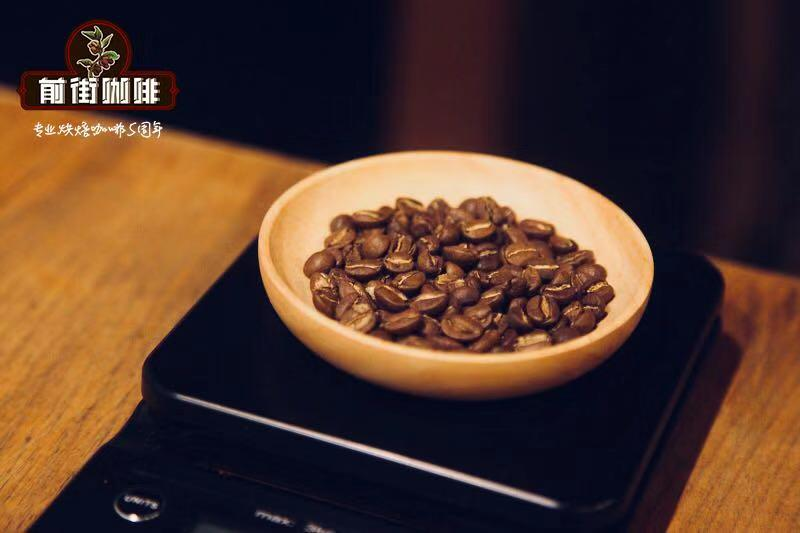
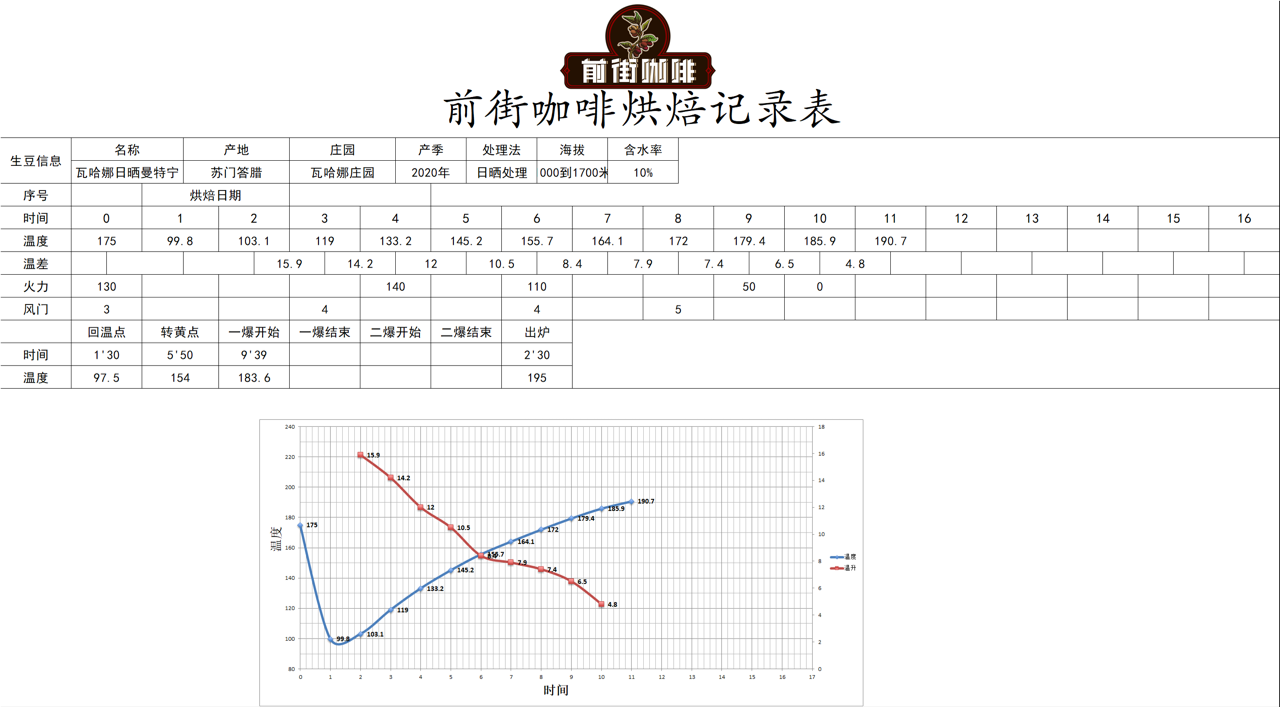
For roasting, this natural Mandheling is best suited to a light-to-medium roast to fully reveal its tropical fruit and fermented aromas. A typical roast profile focuses on controlling the rate of temperature rise in the early Maillard stage to preserve more acidity and floral-fruity character, then gradually develops caramel and nutty notes in the finish.
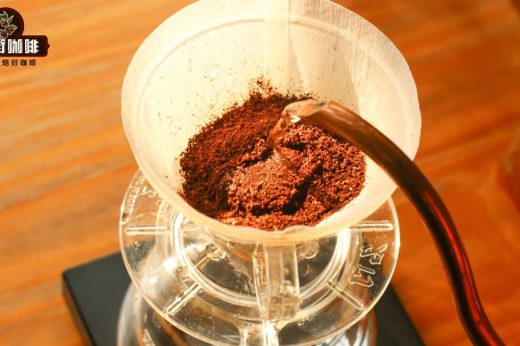
For brewing, the following parameters are recommended to fully showcase its layers of flavor: 15 g of ground coffee, a 1:15 coffee-to-water ratio, water at 90°C, and a grind size of BG #6SF (equivalent to medium-fine, similar to the medium-fine grind commonly used with a Hario V60 #01 dripper).
The brewing steps are as follows: first pour 30 g of water and bloom for 30 seconds to awaken the coffee grounds; then pour 95 g of water over about 1 minute (total water reaches 125 g); finally pour the remaining 100 g of water over 1 minute 40 seconds (total water reaches 225 g). Keep the entire extraction to about 2 minutes 10 seconds, then remove the dripper to finish brewing.
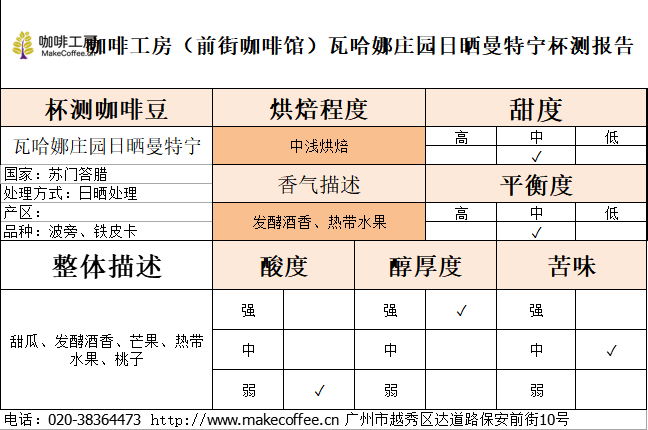
With the parameters above, this Wahana natural Mandheling typically shows pronounced tropical-fruit aromas such as mango and passion fruit, accompanied by moderate acidity and a pleasant fermented note. The mouthfeel is full and smooth, the sweetness is prominent, and the finish carries caramel and light nutty notes. The overall balance is excellent, making it very suitable for coffee lovers who enjoy both fruitiness and sweetness.