Cold Brew at Home: A Complete Guide from Ratios to Flavor
Introduction: Cold brew coffee has become a summer favorite among coffee lovers thanks to its refreshing taste and low acidity. This article walks through the entire process of making cold brew at home, including equipment selection, coffee grind size, coffee-to-water ratio, and the ideal extraction time, and shares small tips for improving flavor. Whether you are new to coffee or looking to refine your own cold brew recipe, you will find practical guidance here.
Making cold brew requires no complicated equipment—a container large enough is all you need. Choose a glass jar or food-grade plastic container slightly larger than your final yield, ensuring enough room for the coffee grounds to soak fully. Also prepare a filtering tool, such as filter paper, filter cloth, or a fine-mesh sieve; this is the key to a smooth mouthfeel.
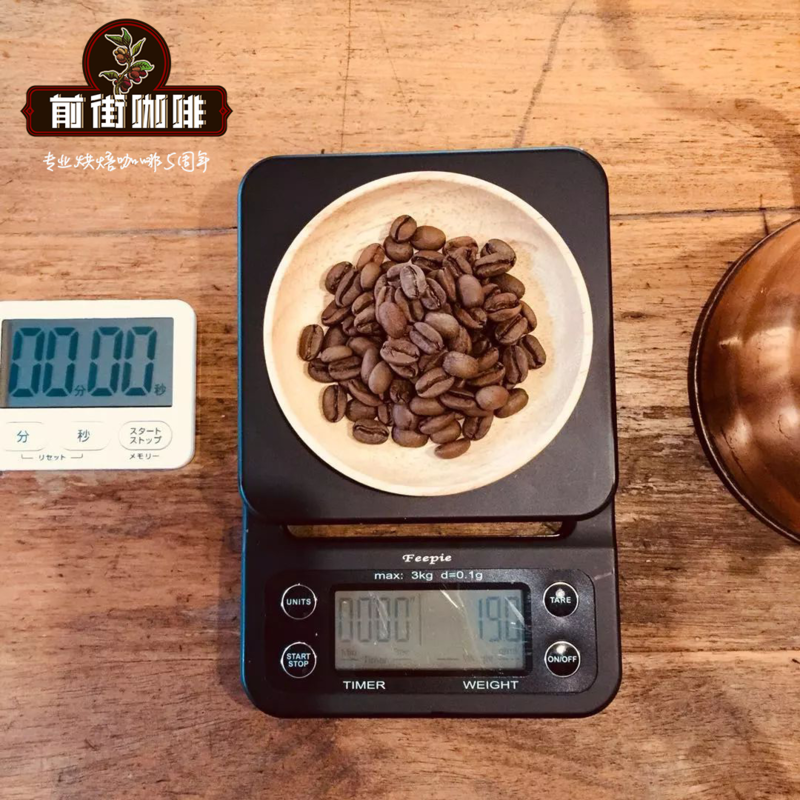
The grind directly affects extraction. Grind the coffee beans to a consistency like coarse sugar, similar to a medium-coarse grind for pour-over. Take the golden ratio of 30 grams of coffee grounds to 600 milliliters of room-temperature water: this 8:100 coffee-to-water ratio ensures richness without excessive bitterness. After putting the grounds into the container, pour in the water in three stages and stir thoroughly to make sure every particle is evenly wet; this is an important step to avoid uneven extraction.
Resting time is the essence of cold brew. The standard extraction time is 8–12 hours, with the best range usually around 10–11 hours. In hot summer weather, shorten it to 8 hours to prevent over-extraction; in winter, you can extend it appropriately but no more than 12 hours. Keep the container away from light. At room temperature, cover it but do not seal it; steeping in the refrigerator slows oxidation and improves flavor purity.
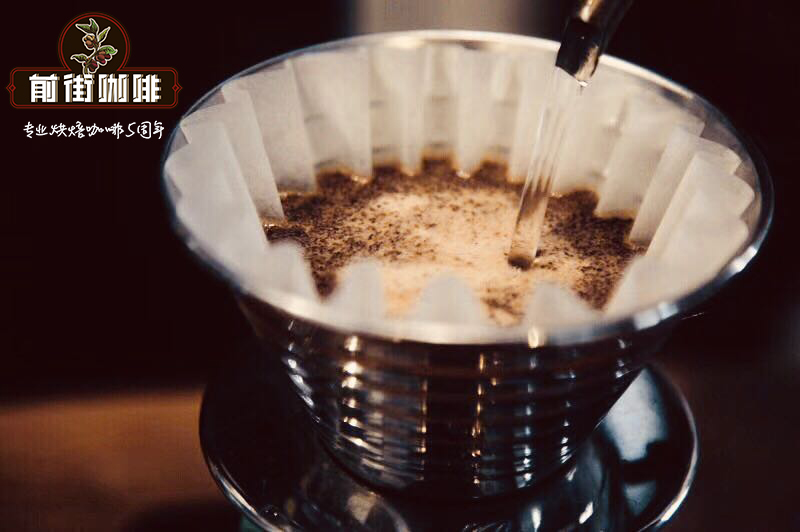
During filtering, avoid pressing the grounds too hard, which makes the coffee cloudy and adds unpleasant bitterness. A double filtration using a Chemex filter or V60 dripper is recommended: first a coarse pass with filter cloth, then a fine pass with filter paper, for the clearest coffee. The filtered cold brew can be stored in a sealed bottle in the refrigerator. Freshness typically lasts 5–7 days; using a transparent container lets you check the state of the coffee oils to judge freshness.
Advanced tips: to adjust strength, increase or decrease the amount of grounds proportionally, but be sure to keep the same coffee-to-water ratio. Adding milk noticeably changes the flavor structure; full-fat milk or oat milk is recommended to balance cold brew's lightness. A tip against dilution: freeze some cold brew into ice cubes beforehand, so melting ice won't affect the original strength. Cold brew also works well as a base—try adding elderflower syrup or gin to turn it into a distinctive cocktail.


