5 Main Causes of Poor Pour-Over Flavor and a Precise Extraction Parameters Guide
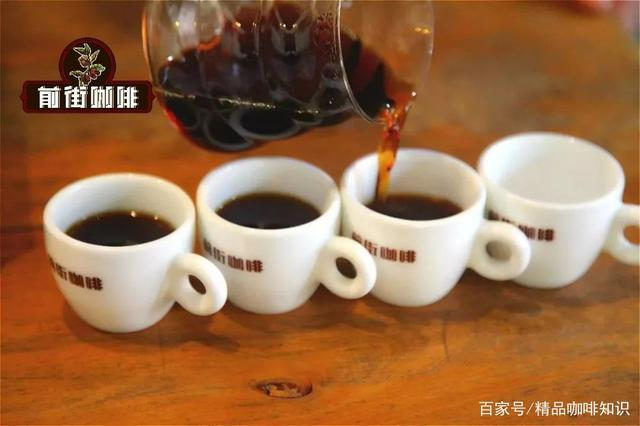
Introduction: Why does your pour-over coffee never seem clean enough? From bean selection to water quality control, and from grind size to brewing parameters, every step can affect the final flavor. This article analyzes in depth the five core factors that influence pour-over coffee taste, providing specific roast-level matching plans, TDS water quality reference ranges, and a golden extraction parameters table to help you systematically troubleshoot the root causes of flavor defects and master precise brewing techniques.
The flavor expression of pour-over coffee is influenced by multiple variables; achieving a clean and balanced taste requires systematic control of key parameters. First and foremost is bean selection—African beans are known for bright citrus notes and jasmine aromatics, American beans generally carry a nutty-chocolate base with prominent body, while Asian beans often show herbal and spicy characteristics due to fermentation processes (sun-dried beans from the Lujiangba region of Yunnan have improved significantly in quality in recent years). It is recommended to prioritize fresh beans within 3-21 days after roasting, when aromatic compounds and acidity are at their peak release.
The impact of water quality on extraction efficiency is often overlooked. Ideal brewing water should have a TDS (total dissolved solids) of 125-175 ppm; purified water (TDS≈0) avoids off-flavors but inhibits the release of flavor compounds, while hard water with TDS above 150 tends to cause over-extraction. At home, you can judge by taste: if a distinct metallic or astringent sensation appears, switch to filtered water or add a small amount of sodium bicarbonate to adjust the mineral ratio. Note that beans of different roast levels vary in water sensitivity—light roasts demand higher water purity.
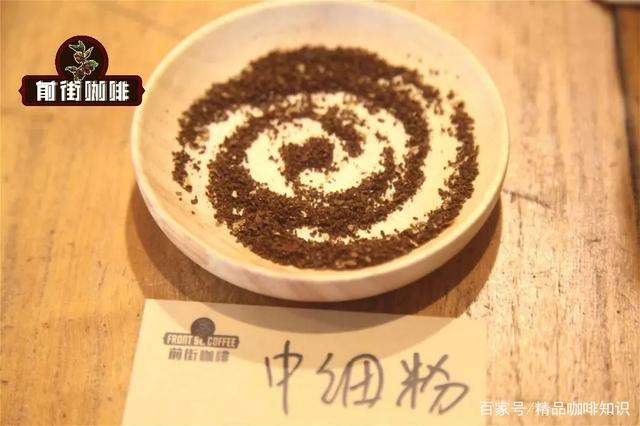
Grind precision directly affects extraction uniformity. A medium-fine grind suitable for pour-over should resemble fine granulated sugar (70%-75% passing a No. 20 sieve); too coarse leads to under-extraction and sharp acidity, while too fine easily causes over-extraction and bitterness. For commercially available grinders, focus on burr material and RPM stability; flat burrs are better suited for producing uniform particle size. Special note: the same bean at different roast levels requires grind adjustment—for light roasts, tighten by 0.5 notch to compensate for density differences.
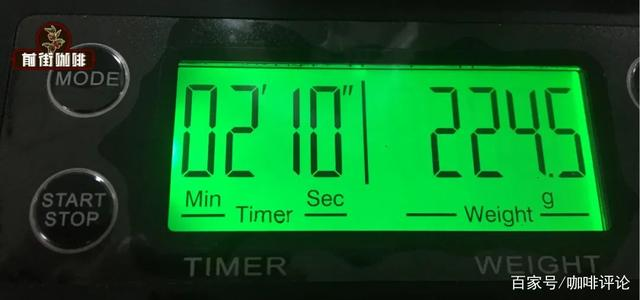
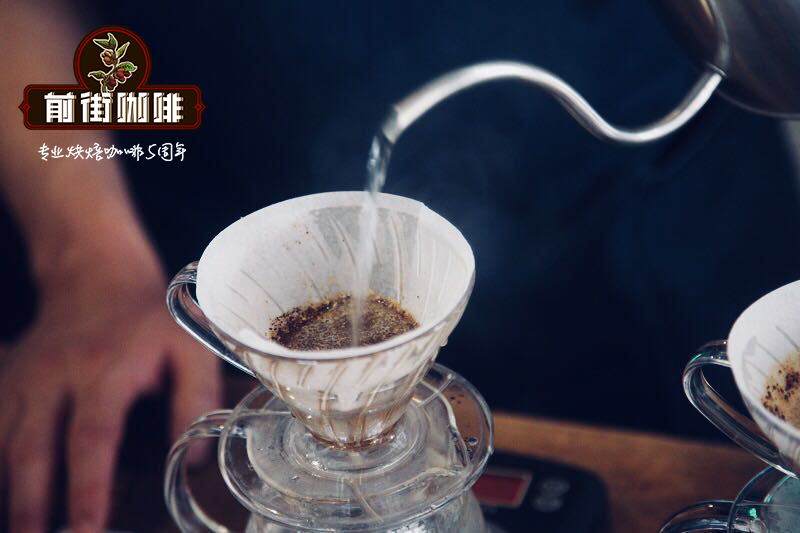
Mastering the "3T" parameters is the core technique of brewing: water temperature must be adjusted dynamically according to roast level—90-94°C for light roasts to bring out floral and fruity acidity, 90±1°C for medium roasts to balance flavors, and 86-88°C for dark roasts to avoid accentuating bitterness. Pour time follows the reverse-roast principle: extend to 2 minutes 30 seconds for light roasts to extract fully, and keep dark roasts within 2 minutes to prevent over-extraction. For turbulence control, the three-pour method (first a 30-second bloom with twice the dose in water, then the remaining water in two additions) suits those seeking layered complexity, while the continuous single-pour method favors consistent taste; beginners are advised to start with the latter to practice flow stability.
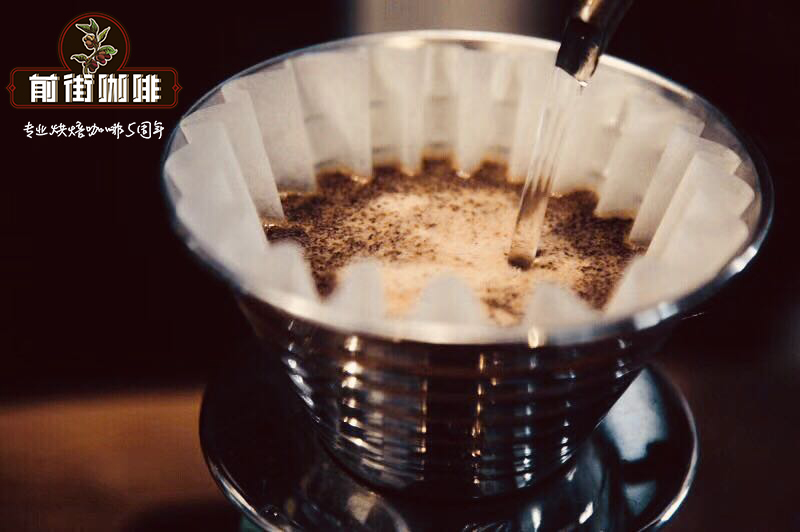
Advanced tips: use a thermometer to calibrate actual water temperature (kettle body temperature is usually 3-5°C lower than the pouring temperature), and maintain a 15-20 cm pour height to create moderate turbulence. If an unpleasant papery taste appears, check whether the filter paper was pre-rinsed; if the finish tastes abrupt, it may be due to overly fine grinding or excessive bloom time causing channeling. Remember that the key to quality pour-over lies in parameter adaptability—the same bean may need 1-2 parameter points adjusted at different altitudes and climates; only by keeping a brewing log can you find your exclusive recipe.


