V60 Pour-Over for Beginners: Full Brewing Workflow and Flavor Optimization Guide
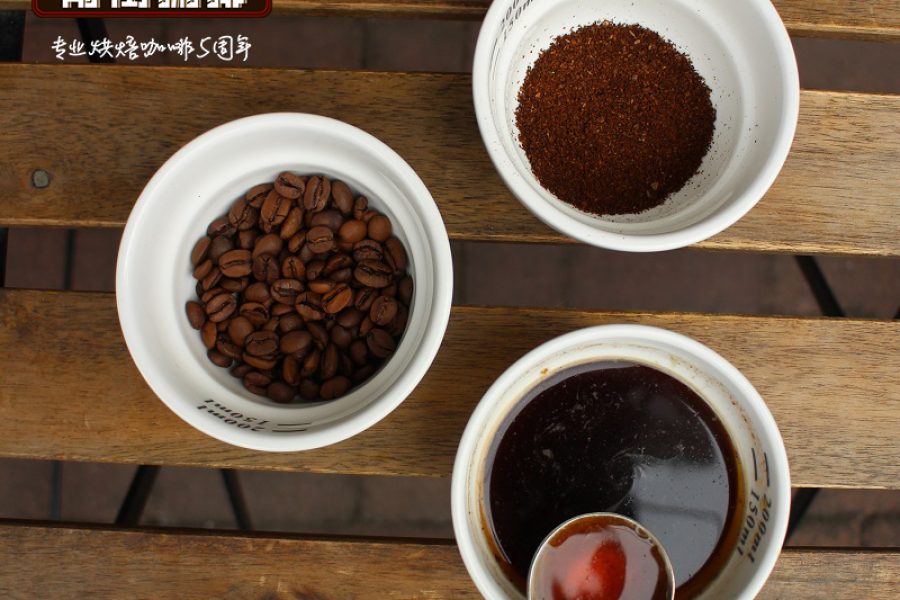
Introduction: Want to showcase your beans' best flavors with pour-over coffee but keep failing? This article explains the core principles and standardized workflow of V60 brewing, from equipment selection to parameter control, teaching you to precisely manage water temperature, grind size, and pouring technique. Through scientific pre-wetting and a three-stage pouring technique, you can easily achieve a 240ml golden-ratio extraction that balances bright acidity with layered complexity—even beginners can consistently brew clean, refreshing, professional-grade pour-over coffee.
As one of the most commonly used drippers among coffee lovers worldwide, the Hario V60's cone design holds unique ingenuity—its 60-degree angle combined with the micro-spiral ribs arranged vertically on the inner wall can effectively guide water through the coffee bed. Compared with Melitta's straight ribs or Chemex's enclosed filtration system, this structure both reduces the channeling effect caused by the filter paper clinging to the wall and accelerates filtration through the large-diameter outlet at the bottom, making it especially suitable for brewing approaches that pursue a fresh, clean taste.
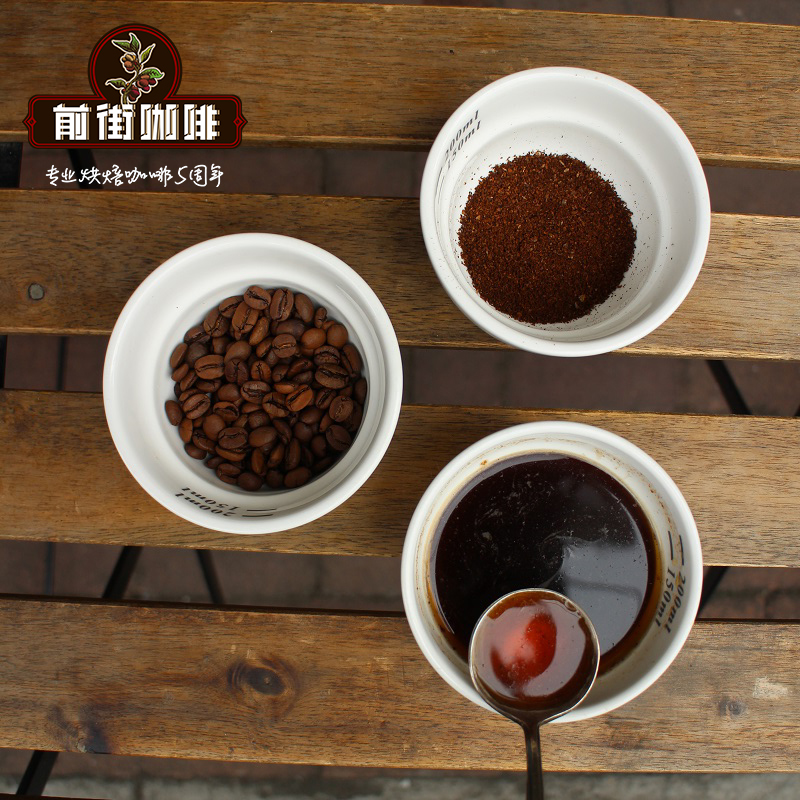
Before brewing, note three basic elements: it is recommended to use 15 grams of medium-fine ground coffee (particles similar to fine granulated sugar but without excessive fines), paired with 240 milliliters of 92-95°C hot water for a total poured-water amount of 240 grams. The first 30ml of hot water is dedicated to the bloom to activate the coffee; this often-overlooked step releases carbon dioxide and lays the foundation for even extraction afterward. As for equipment, the V60 comes in glass, ceramic, metal, and other material versions, but whichever you choose, make sure the filter paper fits tightly against the dripper to avoid hot water seeping from the side walls and causing uneven extraction.
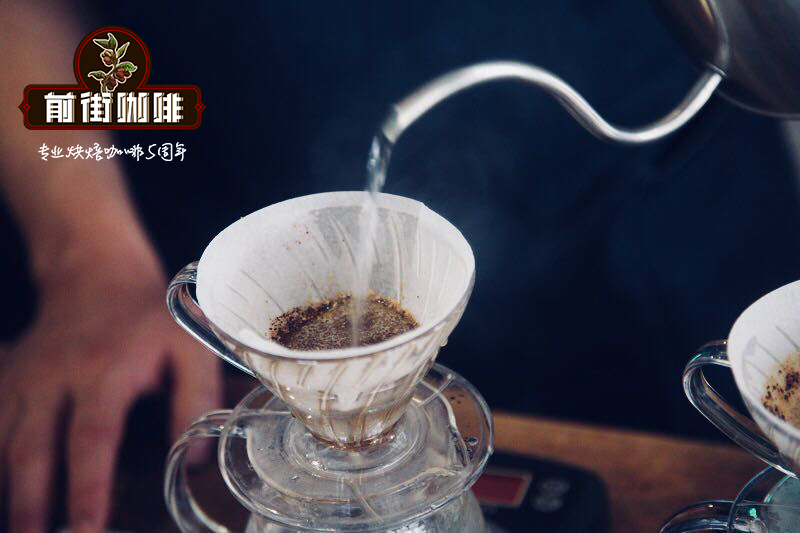
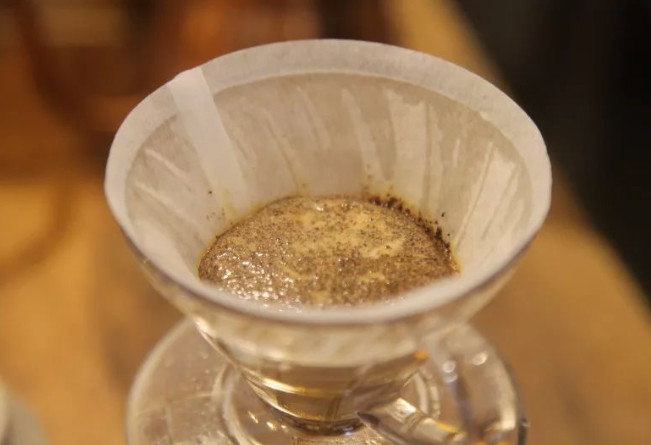
The practical workflow is divided into five key stages: first, rinse the filter paper with hot water and preheat the equipment, pour off the pre-wetting water, then weigh out the coffee grounds and gently shake to level them. When the water temperature reaches the target range, start the timer, first pour 30ml of hot water in a circular motion to cover the surface of the coffee bed, pouring slowly from the edge toward the center to help release gas, continuing for about 30 seconds until the coffee bed expands and becomes fluffy. This stage is like a "warm-up exercise" for the coffee grounds and can significantly improve the efficiency of flavor release afterward.
During the main extraction stage, maintain a steady water flow rate and use a pouring path that goes from "small circles expanding to a large spiral"—first use a thin stream to wet the outer edge of the coffee bed, then gradually expand to the entire surface, being careful to keep the water level always below the top of the coffee bed. It is recommended to keep the total pouring time to about 2 minutes 30 seconds, with the first part slightly faster (about 120ml poured in 45 seconds) and the latter part slowed down to ensure full extraction. If you notice the flow rate is too fast (usually due to overly coarse grinding or insufficient tamping), you can improve it by slightly adjusting the grind size or increasing the bloom time.
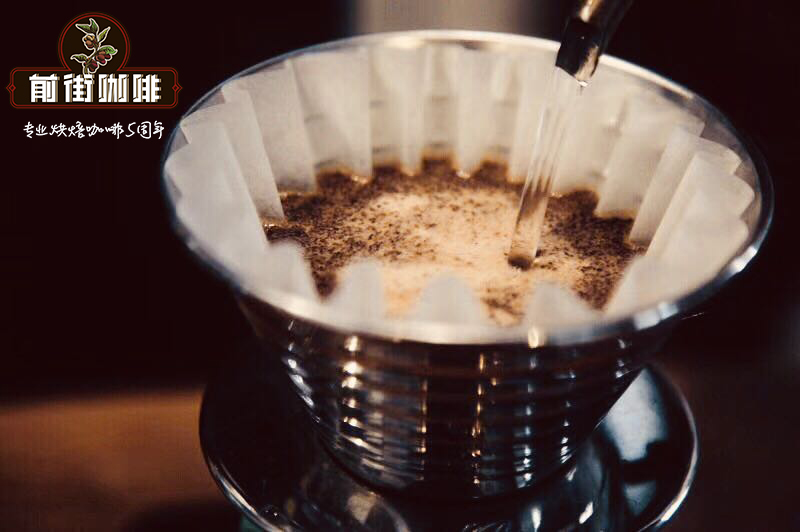
The V60's distinctive flavor characteristics come from its efficient filtration system: ultra-thin filter paper paired with a large-aperture base both traps fines and avoids over-extracting dark-roast bitterness, ultimately presenting bright citrus acidity and floral-fruity aromas. But note that the fast-filtration characteristic can easily lead to under-extraction, so it is recommended to use freshly roasted high-quality coffee beans (a roast level between medium and medium-dark is suggested), and to adjust the pouring rhythm in time by observing changes in the color of the coffee liquid.
Once you master these points, you can flexibly adjust parameters according to personal taste—if you prefer a richer mouthfeel, try a finer grind (close to flour-like) and a longer extraction time; if you like a refreshing style, keep the current parameters and raise the water temperature to 96°C. Remember, steady water-flow control and even coffee-bed distribution are the keys to brewing good coffee.


