Coffee Bean Degassing Explained: When to Brew Freshly Roasted Beans
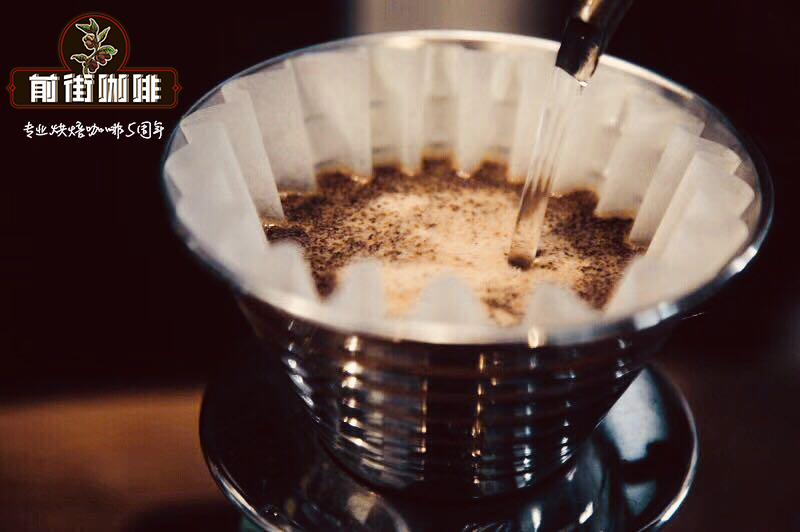
Introduction: Brewing freshly roasted coffee beans right away often produces poor flavor, which is closely tied to the release of carbon dioxide inside the beans. Understanding the degassing process not only helps you avoid pitfalls but also helps you master the best brewing timing. This article explains the degassing mechanism, influencing factors and suitable timing for different brewing methods, helping you precisely manage the key stage from roasting to cupping.
Coffee is not always better the fresher it is—this is a misconception many coffee lovers hold. Freshly roasted beans may be fragrant, but brewing them directly often leads to imbalanced flavor. The key lies in the degassing process: if the carbon dioxide formed during roasting is not fully released, it interferes with the contact between water and grounds, ultimately affecting extraction.
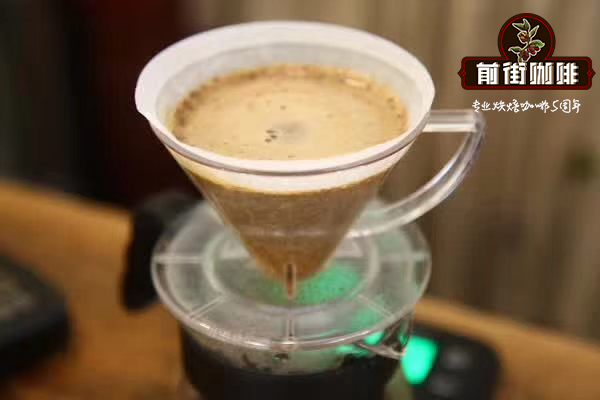
Roasted coffee beans accumulate a large amount of carbon dioxide internally, with release most intense especially within 3-5 days after roasting. During brewing, these gases form tiny bubbles that block hot water from penetrating the coffee bed, causing uneven extraction of aromatic compounds. The technical term for this is the “degassing period,” referring to the transitional stage from roasting until the gas release stabilizes.
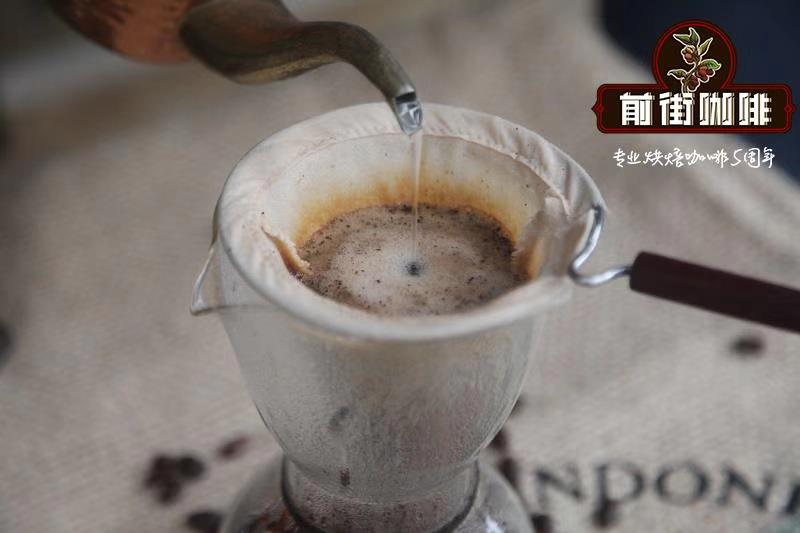
Carbon dioxide plays a dual role in coffee quality: it is both a natural indicator of freshness and participates in the formation of oils and the release of flavor. But balance is needed—excessive degassing makes the flavor dull, while insufficient degassing hinders extraction. For example, Guatemalan coffee may show off-flavors 72 hours after roasting, while its chocolate notes only fully emerge after 96 hours.
The core factors affecting degassing duration include: roast level (light roasts need longer), processing method (natural beans need 3-5 days more than washed beans), and brewing method. Experimental data show that medium-roast Arabica beans usually need 5-14 days to reach their best condition.
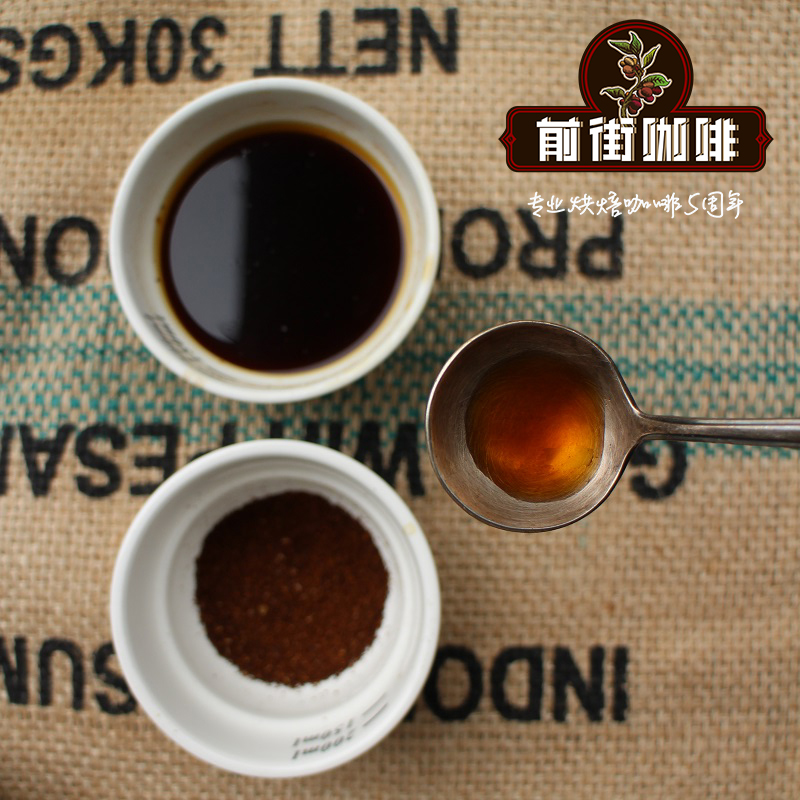
Requirements of different brewing methods for the degassing stage:
• Espresso: recommended 5-7 days after roasting (high temperature and pressure require sufficient degassing)
• Pour-over: best window is 1-2 days (water flow rate can offset part of the gas effect)
• French press: recommended after 3 days (metal filters are more sensitive to fines)
Professional baristas recommend managing degassing progress by recording the roast date.

Practical tips for optimizing degassing management:
1. Use packaging with a one-way degassing valve to release carbon dioxide while preventing oxygen from entering
2. Complete packaging within 20 minutes after roasting to maintain gas balance
3. Use newly arrived coffee beans in batches, storing them in order of roast date
4. Store beans for different brewing methods separately and label the recommended use-by dates
5. Calibrate the grinder regularly to adapt to changes in ground coffee density at different degassing stages


