Coffee Bean Resting Guide: From Roast to Best Extraction

Introduction: Why do freshly roasted coffee beans need resting? How do degassing patterns differ across roast levels? Using scientific experiment data, this article explains the principles of coffee bean degassing, reveals the ideal resting times for light, medium and dark roasts, and offers practical storage advice to help you achieve the best flavor in pour-over or espresso extraction.
Many coffee lovers have had this experience: freshly opened coffee beans are intensely aromatic, but a few days later the flavor has clearly faded. Behind this is the complex degassing process of coffee beans. From the moment roasting is complete, the beans begin a continuous release of gas, and this process directly affects the flavor of the final brew.
Coffee bean degassing mainly stems from three major chemical reactions during roasting: enzymatic reactions, caramelization and pyrolysis. These reactions produce large amounts of gas during heating, of which carbon dioxide accounts for up to 87% and is the key factor affecting coffee freshness. These gases are stored in tiny pores inside the beans and are gradually released over time.
Scientific research shows significant differences in degassing characteristics among roast levels. Because dark-roasted beans expand about 80% in volume during roasting, their internal pore structure is more developed, and their carbon dioxide emissions reach 7.5 mg per gram (12-day slow-roast data), far higher than the 2.3 mg of light-roasted beans. This means dark-roasted beans generally need a shorter resting time.
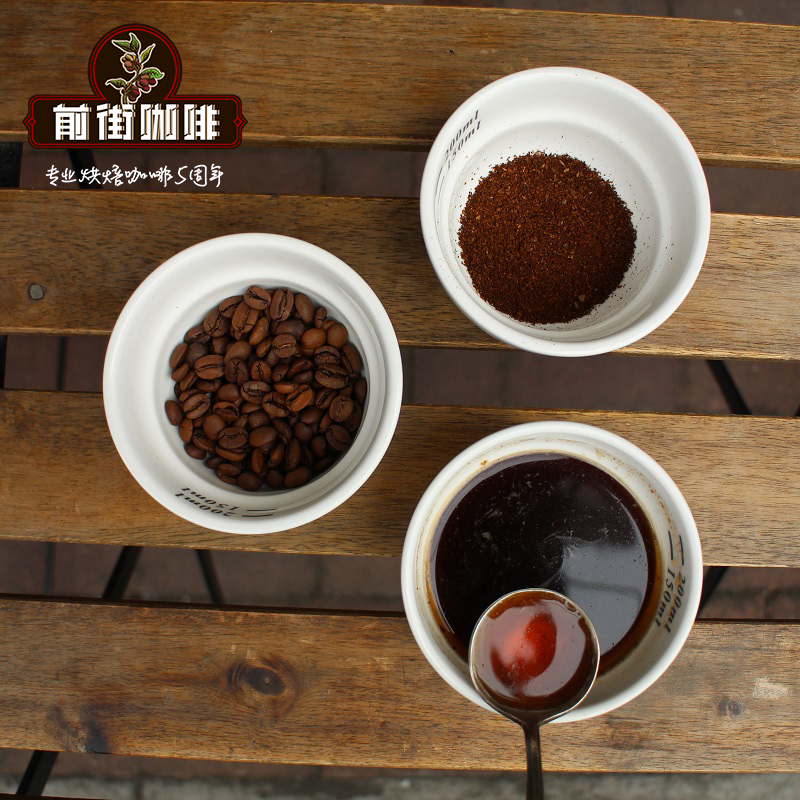 Professional experiments show that, in a constant-temperature environment, coffee bean degassing continues for hundreds of hours. Researchers compared nine different roasting parameters (including light, medium and dark roast levels of Salvadoran green beans, and fast, medium and slow roasting speeds). The results showed that the faster the roast, the higher the bean expansion rate, the larger the internal pore volume, and the faster the corresponding degassing rate.
For ordinary consumers, there are several practical tips for judging coffee bean freshness. First, observe the color of the beans—generally, the darker the color, the higher the roast level and the faster the degassing rate. Second, pay attention to the packaging: freshly roasted coffee beans make the bag bulge slightly due to higher internal gas pressure. When you squeeze the bag, if it feels noticeably soft, a large amount of gas has already escaped.
 Grinding has a huge effect on coffee gas release. Experimental data shows that ground coffee releases about 75% of its carbon dioxide within 90 seconds of grinding. This is also why freshly ground coffee has a much shorter degassing cycle than whole beans. In practice, whole dark-roasted beans are recommended to rest for 3-7 days, medium roasts for 5-10 days, and light roasts for 7-14 days. But the specific time should be fine-tuned according to the actual roast level.
Storage conditions also affect coffee freshness. It is recommended to keep unopened coffee beans in a cool, dark place, with the ambient temperature controlled at 10-20°C. Once opened, they should be used up as soon as possible. To extend shelf life, transfer the beans to an airtight container and try to expel the air inside. But avoid completely vacuum storage, because the presence of a small amount of carbon dioxide helps maintain coffee flavor.
 Coffee beans from different origins also differ slightly. Experiments found that, at similar roast levels, the degassing volume of robusta coffee beans (3.5 mg/g) is generally higher than that of arabica (2.5 mg/g), which is related to robusta's greater volume expansion rate. Although robusta is usually considered rougher in flavor, under the same conditions its freshness does last slightly longer than arabica.
For coffee lovers seeking the best flavor, it is advisable to keep systematic resting records. You can store different batches of coffee beans by roast date, placing light-roasted beans in the back row and dark-roasted beans in the front row, ensuring that the faster-degassing beans are used first. Professional cafés usually incorporate resting periods into their coffee bean purchasing plans, ensuring that each batch is used at its best.
 In summary, understanding coffee bean degassing patterns helps us better enjoy coffee. From the completion of roasting to the optimal extraction moment, every stage affects the flavor in the final cup. By observing bean color, understanding roasting parameters and controlling storage conditions, you can find the coffee beans in their best state for every brew.


