Yunnan Arabica coffee: flavor, region traits, and bean guide
Introduction: As China's largest coffee-producing region, Yunnan's unique highland climate nurtures a distinctive arabica coffee. This article traces Yunnan coffee's development from its planting history to modern processing, explains the sensory traits and flavor layers of the main varieties, and offers professional roasting advice to help you choose a Yunnan specialty coffee that suits your taste.
The heart of China's coffee industry lies in Yunnan Province in the southwest. This red-soil plateau, known for pu'er tea, has quietly transformed over the past three decades into an emerging coffee region. Thanks to its exceptional geographical conditions, Yunnan has not only successfully introduced coffee but has also gradually built a complete industry chain.
Tracing back to the late nineteenth century, Western missionaries brought coffee seedlings to the mountainous areas of southern Yunnan, and these green hills soon proved well suited to coffee growing. Over a century of evolution, especially after international capital arrived in the 1990s, the province's coffee planting area expanded from an initial 4,000 hectares to more than 120,000 hectares today, forming an industry belt centered on nine major regions including Pu'er, Baoshan, and Dehong. These areas account for over 95% of the province's coffee production capacity, with ethnic minority farmers making up a significant share.
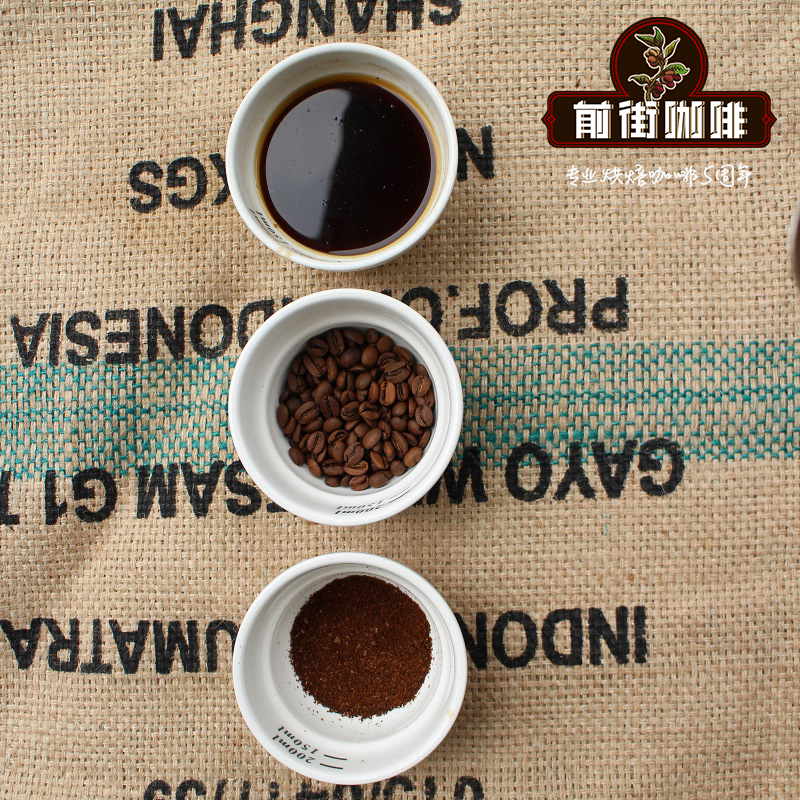 Yunnan coffee's distinctive flavor is closely tied to careful post-harvest processing. More than 90% of the coffee fruit is washed—freshly picked cherries are pulped, fermented, rinsed in clean water, and sorted through multiple stages, then stored in parchment for six months of resting. A few regions experiment with natural or honey processing, giving the coffee richer fruity notes. Notably, locally common multi-layer static dryers fueled by coal or wood, combined with the natural storage advantages of Kunming's 1,900-meter altitude, effectively ensure the quality stability of green coffee.
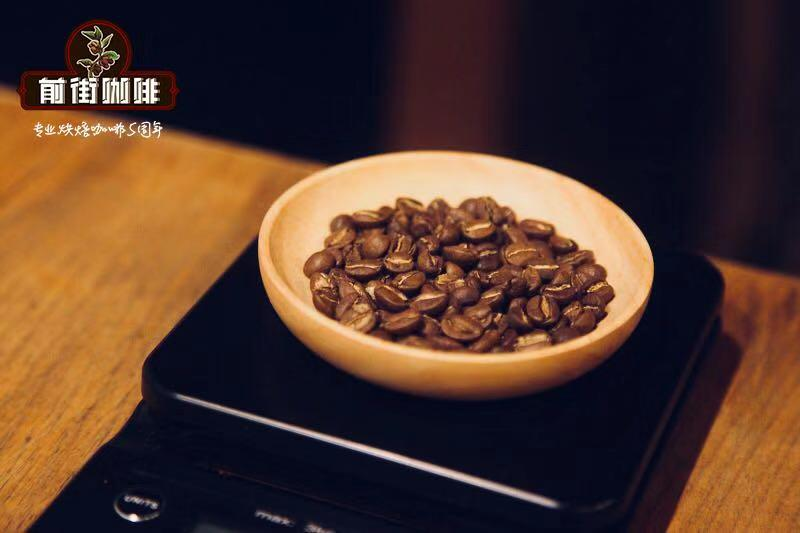
In terms of variety, the disease-resistant and high-yielding Catimor is the absolute mainstream; this cross between Caturra and Robusta accounts for the vast majority of the planted area. Although Yunnan has introduced more than 30 coffee varieties, Catimor remains favored for its suitability for steep mountain cultivation. Professional roasters recommend medium-light roasted beans from elevations of 1,000–1,500 meters; these coffees typically show bright citrus acidity and a nutty-chocolate finish, with cupping scores consistently in the 80–82 range.
 During the harvest season from December to March each year, Yunnan's coffee farms present a distinctive scene of manual labor. Limited by rugged terrain and labor costs, more than 90% of coffee cherries are picked by hand, one by one, which places higher demands on consistency. Experienced farmers strictly separate ripeness levels, picking only fully ripe deep-red fruit. After harvest, fresh cherries must reach the processing station within 24 hours, where they are floated to remove impurities before entering refined processing.
Yunnan's coffee industry is currently at a critical stage of transformation and upgrading. Government departments are promoting organic cultivation and the specialty route through policy support, and some estates have obtained international certification and are experimenting with high-scoring specialty production. Although the domestic market currently prefers high-value coffees scoring around 80, some growers have successfully produced top lots cupping above 83. For coffee lovers, it is advisable to prioritize products that specify the region and processing method—for example, washed Catimor from Menglian County often has distinctive floral notes, while natural-process beans from Lujiangba may show tropical fruit flavors.
 When buying Yunnan arabica coffee, consumers should watch several key indicators: first, check whether the green beans look even and plump; second, check the roast date to ensure freshness; and finally, choose the roast level according to drinking habits—medium roast for those who prefer a fresh, clean taste, and dark roast for those seeking a fuller flavor. Professionals suggest beginners start with a classic washed medium-light roast and use pour-over gear to explore the subtle differences between regions, gradually building an understanding of Yunnan coffee's unique appeal.


