Pour-Over Coffee: Why It Tastes Sour, Bitter or Astringent, and How to Fix Under- and Over-Extraction
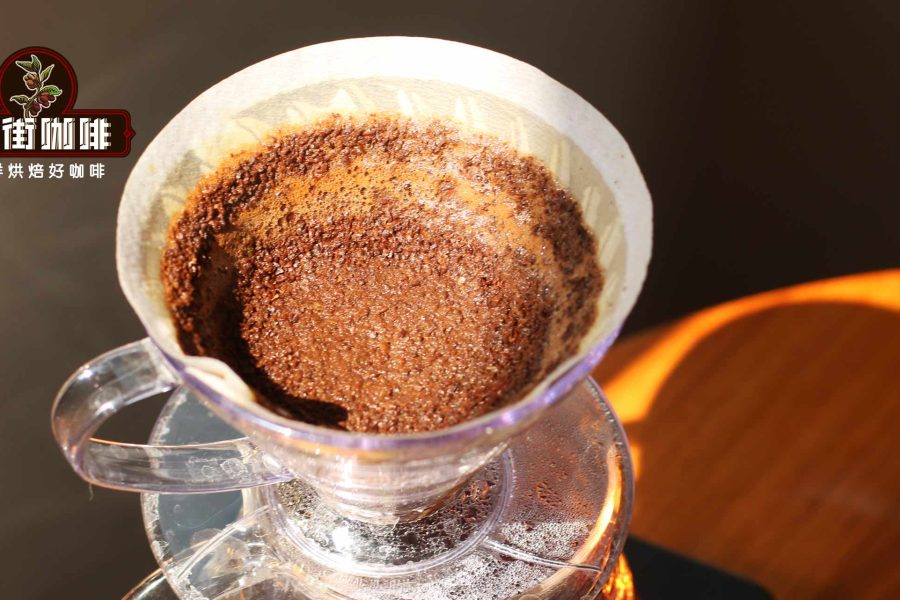
Introduction: Pour-over coffee often develops unpleasant flavors such as sourness, bitterness and astringency, most of which stem from improper extraction. Only by understanding the core differences between under-extraction and over-extraction, and by mastering key parameters such as water temperature, grind size and time, can you consistently extract a balanced, layered cup. This article explains the causes and symptoms of both extraction problems and offers practical adjustment tips to help you precisely control the quality of every pour-over.
Extraction, simply put, is the process of using a liquid (usually hot water) to draw the flavor compounds out of a solid ingredient (such as coffee beans). In coffee brewing, hot water contacts the coffee grounds and transfers the soluble flavor components into the water, forming the coffee we ultimately taste.

Over-extraction means that too many soluble substances—especially large-molecule, bitter or undesirable compounds—have been released into the coffee. In this case, the coffee tends to show pronounced bitterness, astringency and unpleasant off-flavors, with an unbalanced overall profile. This is especially common in pour-over coffee and is usually caused by the following factors.

First, too long a contact time between the coffee grounds and the hot water is one of the main causes. If the flow rate is too slow or the pouring after blooming drags on too long, the final stage of extraction releases too many large-molecule compounds, making the coffee heavy and unpleasant. Second, water that is too hot also increases the risk of over-extraction. For example, when brewing medium-dark roasts, water hotter than the suitable range easily forces out excessive bitter compounds. For such coffees, a water temperature of 86–88°C is generally recommended to control the release of bitter substances. Finally, grinding too fine is a common mistake. Pour-over coffee is usually best ground to a coarseness similar to granulated sugar, but if the grind is too fine, water passes through more slowly and extraction may exceed 2 minutes, causing the grounds to release too much and even producing a "muddy" extraction. In this case, coarsen the grind to ensure the brew finishes within 2 minutes.

Opposite to over-extraction, under-extraction means the contact time between the grounds and hot water is too short, or the contact is insufficient, so the flavor compounds fail to dissolve fully into the water. Such coffee often tastes thin and lacks complexity, with prominent acidity and an unbalanced overall profile, sometimes with a raw, astringent note.

Common causes of under-extraction include too coarse a grind or too low a water temperature. When the particles are too large, hot water cannot penetrate effectively and extract the flavors; when the water is not hot enough, it cannot fully release the soluble compounds. For some medium-light roasts, such as beans from high-altitude regions, which are harder and are heated for only a short time, precise parameter control is even more important. A grind the texture of fine sugar and water at 91–93°C are generally recommended to ensure the flavor compounds are fully released. In addition, the coffee-to-water ratio is also crucial. If too much water is poured, i.e. the coffee-to-water ratio is too low, the brew may seem strong but in fact extract unevenly and insufficiently, likewise producing a bitter or unbalanced taste.

To judge whether extraction is appropriate, start with the coffee's mouthfeel, aroma and finish. A balanced pour-over usually feels smooth on entry, with balanced acidity, sweetness and bitterness, a clear aroma and a clean finish. If the coffee is too bitter with many off-flavors, it is very likely over-extracted; if it is thin, sharply acidic and lacking complexity, it may be under-extracted.

When adjusting extraction parameters, it is best to start from three dimensions: grind size, water temperature and brewing time. First determine the roast level of the beans, then choose a suitable grind coarseness and water temperature range based on their characteristics. At the same time, pay attention to controlling the pouring speed and technique to ensure a steady, even flow and avoid localized over- or under-extraction. Through repeated practice and fine-tuning, you will be able to pinpoint the flavor balance point of pour-over coffee more precisely.


