Rwanda Coffee Beans: Flavor, Regions, and Pour-Over Picks
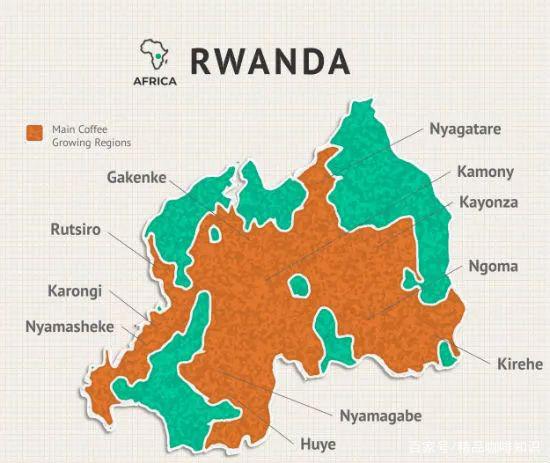
Introduction: Rwandan coffee is renowned for its bright fruit flavors and unique regional character, making it a key player in the global specialty coffee market. This article provides a complete picture of Rwandan coffee, from its cultivation history and main growing regions to its flavor characteristics, exploring how this 'Land of a Thousand Hills' leverages its high-altitude advantages and washed processing to produce high-quality Arabica coffee comparable to that of Central and South America, and offers practical references for pour-over bean selection and flavor identification.
Rwanda's coffee cultivation history dates back to 1904, when German missionaries introduced the Bourbon coffee variety to the land. However, early development was not smooth—high taxes and export restrictions during the Belgian colonial period kept coffee production focused on yield rather than quality for a long time. Local infrastructure was weak, and at one point even basic coffee wet-processing facilities were lacking, severely limiting the potential of coffee flavors.
The 1994 genocide dealt a heavy blow to Rwanda, with the loss of nearly a million lives and a global coffee price crash making matters worse for the coffee industry. But crises also breed opportunities: widespread international attention and an influx of aid funds prompted Rwanda to re-evaluate the strategic value of its coffee industry. Subsequently, modern wet-processing mills were established across the country, and coffee production gradually shifted toward a specialty-oriented path. Notably, Rwanda is one of the few African countries to have hosted the Cup of Excellence competition, an international event that uses an online auction system to help global buyers precisely identify high-quality coffee lots, greatly enhancing the international profile of Rwandan coffee.
Rwanda is known as the 'Land of a Thousand Hills,' and its unique geography and climate provide natural advantages for coffee cultivation. Although the country grows a small amount of Robusta for export, its main export is always washed Arabica—a processing method that better preserves the coffee's pure flavors and bright acidity.
In terms of regional distribution, the southern and western regions are the core areas for Rwanda's high-quality coffee, including Huye, Nyamagabe, and Nyamasheke near Lake Kivu. These areas have an average elevation of 1,700–2,200 meters, and the annual coffee harvest is concentrated from March to June. The Bourbon and Mibirizi varieties are widely grown—the former is known for its balanced sweetness and acidity with nutty notes, while the latter is a local variety unique to Rwanda, often featuring more pronounced floral and fruity aromas.
Although the eastern region has a lower overall elevation (average 1,300–1,900 meters), some areas in the far northeast can still produce high-quality coffee. The harvest period in this region is also from March to June, with Bourbon and Mibirizi varieties predominantly grown. Compared to the south and west, eastern coffee flavors may be slightly softer but still maintain the characteristic cleanliness and complexity of washed Arabica.
High-quality Rwandan coffee typically exhibits intense fresh fruit aromas, with the sweet notes of red apple and red grape being most typical, while berry flavors (such as blackcurrant and raspberry) and elegant floral notes (such as jasmine and white freesia) also frequently appear. These flavor characteristics are closely related to its high-altitude growing environment—large diurnal temperature differences, ample sunshine, and mineral-rich soil together contribute to high sugar accumulation in the coffee cherries and the formation of complex flavor compounds.
It is worth noting that coffees from Rwanda and neighboring Burundi occasionally exhibit a special defect flavor—'potato-like'. This aroma, reminiscent of raw potato skin, is not caused by processing errors but by trace toxins produced after an unknown bacterial infection of the coffee cherry skin. Currently, this phenomenon has only been recorded in a few lots from Rwanda and Burundi, and consumers can identify it in advance through professional cupping during tasting.
For coffee enthusiasts wanting to try Rwandan coffee, it is recommended to prioritize washed Bourbon or Mibirizi varieties and use 90–93°C water temperature and a 1:15–1:16 coffee-to-water ratio for pour-over (medium-fine grind, similar to fine sugar texture) to better highlight its bright fruit acidity and rich complexity. Whether as a daily staple bean or an entry point for exploring African coffee flavors, Rwandan coffee is worth adding to your coffee list.