Dominican Coffee Flavors and a Guide to Six Growing Regions
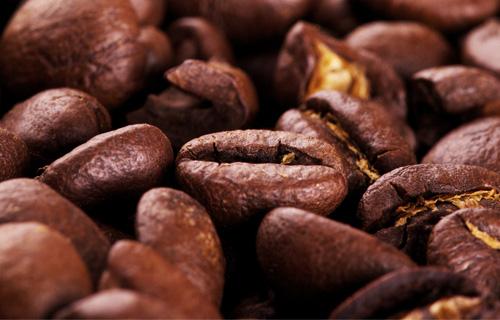
Introduction: Want to discover the unique charm of Dominican coffee? This article takes you through the coffee development history of this Caribbean island nation and provides an in-depth look at the geographical features, growing altitudes, and harvest seasons of its six main regions. From Barahona to Valdesia, we will detail the main varieties, flavor characteristics, and best tasting times of each region, helping coffee lovers better choose and appreciate high-quality coffee beans from the Dominican Republic.
The coffee-growing history of the Dominican Republic dates back to 1735, when this Caribbean island nation under Spanish rule first introduced coffee cultivation. However, the coffee industry truly took root and grew between 1822 and 1844, and by 1880, coffee had become one of the country's main agricultural products. In 1956, the Dominican Republic began exporting coffee from specific regions, gradually building its coffee reputation.
Unlike other Central American countries, Dominican coffee is often classified as Caribbean or island-type coffee. This classification stems not only from its unique geographical location but also from the local special climate conditions, terroir characteristics, and independent political environment and consumer culture. These factors together create the fresh and lively character unique to Dominican coffee. In recent years, the country's coffee farmers have actively promoted organic farming without chemical pesticides and have vigorously developed single-origin, single-variety specialty coffee, allowing Dominican coffee to show a purer, brighter unique flavor, as pure and moving as a sparkling sprite on the Caribbean Sea.
The typical flavor profile of Dominican coffee is characteristic of island coffee; high-quality coffee usually has a mild and pure taste, with medium-low acidity and an overall balanced and harmonious expression. This ethereal freshness, combined with delicate mouthfeel layers, makes it highly favored among coffee enthusiasts.
The Dominican Republic has several distinctive coffee regions, each with its own unique geographical environment and growing characteristics:
Barahona region is located in the southwest of the island, with most coffee grown around the Bahoruco mountain range. Compared to other areas, coffee here has already established a good reputation, and coffee is the main local crop. Altitude range: 600-1300 meters, main harvest period: October to February, main varieties: Typica, Caturra.
CIBAO region is located in the north of the island; the name means "rocky place" and is one of the three important crop regions for coffee, rice, and cocoa. This region refers to the valley area between the Central Cordillera and the Septentrional Cordillera. Altitude: 400-800 meters, harvest period: September-December, varieties: Typica, Caturra.
CIBAO ALTURA is the higher-altitude area within the Cibao region. Altitude range: 600-1500 meters, harvest period: October to May, varieties: Typica, Caturra. The higher altitude brings more complex flavor development to the coffee.
CENTRAL MOUNTAINS (CORDILLERA CENTRAL) is the highest mountain region in the Dominican Republic and the only unique region where coffee grows on granite bedrock rather than calcareous soil. Altitude: 600-1500 meters, harvest period: November to May, variety composition: 30% Typica, 65% Caturra, 5% Catuaí. The granite soil gives the coffee a unique mineral flavor.
NEYBA region (also called Neiba) is named after the local capital and is located in the southwest of the island. The terrain here is relatively flat, mainly growing grapes, plantains, and sugarcane, while coffee is grown in the higher mountain areas. Altitude: 700-1400 meters, harvest period: November to February, variety ratio: 50% Typica, 50% Caturra.
VALDESIA is the most well-known region on the island and has been granted protected designation of origin status; clear geographical boundaries provide good protection, hence its high reputation. Coffee from this region can command higher market prices. Altitude: 500-1100 meters, harvest period: October to February, variety composition: 40% Typica, 60% Caturra. The designation of origin ensures consistency and quality standards for the coffee.