Ecuador's Five Major Coffee Regions: Flavor Guide and Variety Analysis
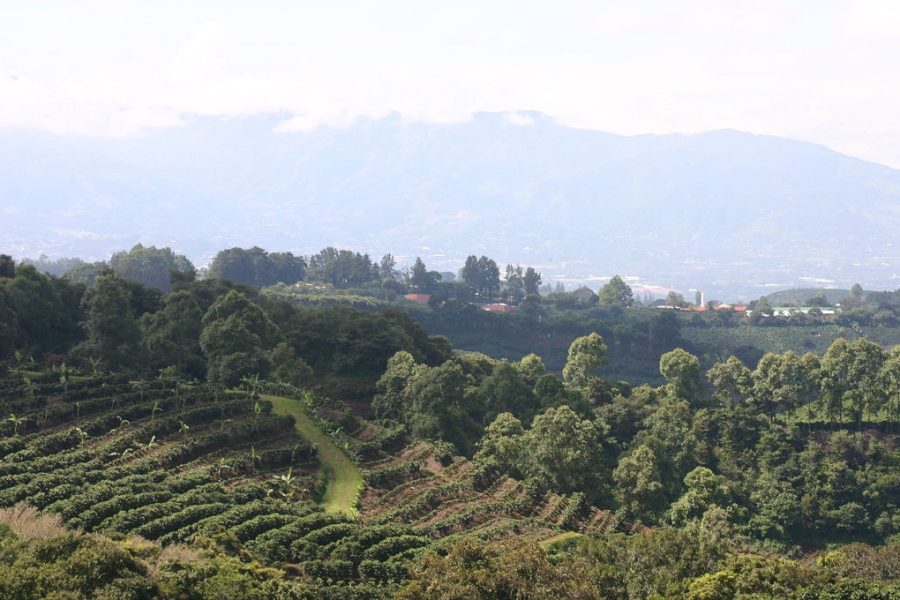
Introduction: Ecuador is one of the few South American countries that grows both arabica and robusta, and its coffee industry has gone through a century of change. This article takes an in-depth look at the geography, dominant coffee varieties and harvest cycles of five major regions including Manabí Province and Loja Province, with flavor notes to help you choose Ecuadorian coffee beans that suit your brewing preferences. A map of the region distribution is included at the end for reference.
Ecuador introduced coffee cultivation in the 1860s and began exporting to Europe in 1905. What makes this South American country unique is that it grows both arabica and robusta—about 40% of national output is currently robusta, which has long limited its specialty coffee reputation. But a closer look at each region reveals that arabica at high elevations still shows quality potential.
Manabí Province accounts for nearly half of the country's arabica output, yet its low elevation of 500-700 meters limits flavor complexity. Harvest here runs from April to October, and traditional varieties such as Caturra and Typica are commonly interplanted with robusta, making this region suited to everyday blend beans.
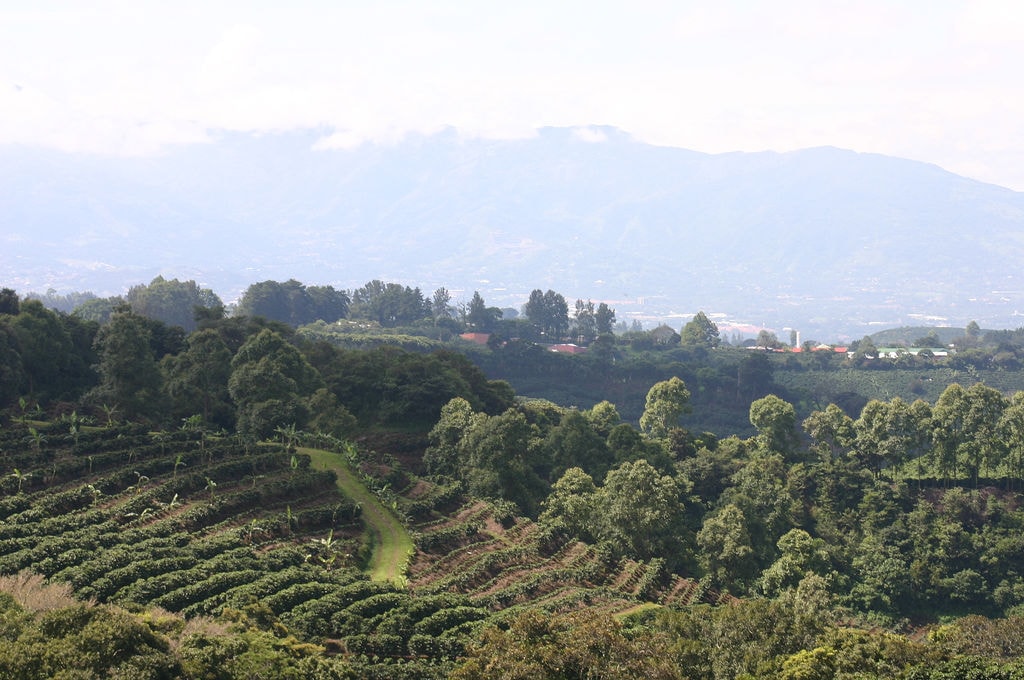
Loja Province has planting elevations of up to 2,100 meters and is a key focus area for specialty coffee professionals. Caturra, Bourbon and Typica produced during the June to September harvest often carry bright citrus notes. Note, however, that the area is prone to extreme weather, so when buying, it is advisable to prioritize estate lots certified by the Rainforest Alliance.
Zamora-Chinchipe Province lies east of Loja. Its maximum elevation of 1,900 meters falls short of Loja's extremes, but organic farming adoption exceeds 60%. Typica and Caturra varieties from the May to August season, when roasted light to medium, show a balanced blueberry and caramel profile, making them worth trying for pour-over enthusiasts.
El Oro Province sits on the southwestern coast, where the foothills of the Andes provide planting heights of 1,200 meters. Typica, Caturra and Bourbon harvested from May to August carry a distinctive nutty finish influenced by the maritime climate, making them an excellent choice for cold-drip coffee.
The Galápagos Islands account for only a tiny fraction of national output, but their unusual 350-meter elevation and isolated ecosystem foster a unique flavor. Bourbon varieties from the dual harvest seasons of June to September and December to February often show pronounced dark chocolate and tropical fruit characteristics in professional cuppings, making them a collector-grade niche bean.
Buying advice: pay attention to processing method information (for example, honey processing is common in Loja Province to boost sweetness), and note that blended lots with a high proportion of robusta may compromise overall flavor complexity. For high-elevation arabica varieties, brew with water at 92-94°C and use a medium-fine grind (75%-80% passing a Chinese standard No. 20 sieve).