Mexico Coffee Regions: Flavor Profiles and Pour-Over Picks
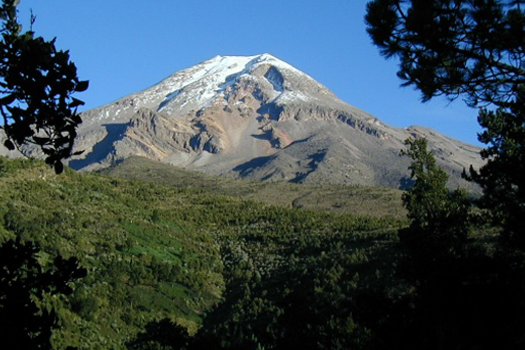
Introduction: Mexico, one of the world's top ten coffee producers, is known for its unique highland growing environment and organic farming methods. This article takes you deep into the differences in altitude, climate and coffee varieties across Mexico's three core regions, reveals the quality beans nurtured by the Sierra Madre mountains, and offers flavor descriptions ranging from full-bodied to sweet, helping you find Mexican specialty coffee beans suited to pour-over brewing.
Mexico has exceptionally favorable conditions for coffee growing, with about one-third of its land suitable for cultivating high-quality coffee beans. As a top-ten coffee producer worldwide, the country is also known for the world's largest volume of organic coffee exports. Coffee entered Mexico with trade as early as around 1785, but the real impetus for the industry came after the 1914 revolution—when plantation workers gained the right to grow coffee freely, and the government established the Mexican Coffee Institute INMECAFE to provide producers with technical support and resources. Today, although cultivation still faces challenges, the spread of shade growing and organic farming methods continues to improve coffee quality.
Mexican coffee flavors show distinct regional character: some regions produce beans with soft body and delicate mouthfeel, while others bring pronounced sweetness with lingering notes of caramel, toffee or even dark chocolate. This diversity stems from complex terrain and microclimate differences, most notably in the high-altitude areas of the south.
CHIAPAS, in southern Mexico, borders Guatemala and is often compared and tasted side by side by coffee lovers. Backed by the Sierra Madre, the region's volcanic soil at altitudes of 1,000–1,750 meters provides ideal growing conditions for coffee trees. The best harvest period is from November to March, with main plantings of Bourbon, Typica, Caturra and the rare Maragogipe variety. Coffee here often shows bright acidity and rich layering, suited to pour-over enthusiasts who like a balance of fruity and nutty notes.
OAXACA is known for its unique cooperative model, with many small producer associations as well as large estates that have transitioned to eco-tourism. Altitudes range from 900–1,700 meters, harvest is concentrated from December to March, and the variety mix is similar to Chiapas. Coffee from this region usually has soft citrus acidity and brown-sugar-like sweetness, and tour programs at some estates let consumers see the whole process from growing to roasting firsthand.
VERACRUZ lies on the Gulf Coast of Mexico. Although overall production is not high, the eastern high-altitude areas (such as Coatepec) produce quality coffee. Growing altitudes span 800–1,700 meters, the harvest period is likewise December to March, and the classic variety mix ensures consistency of flavor. Compared with the other two regions, coffee here may show a milder mouthfeel and lower acidity, with a faint spice note in the finish.
It is worth noting that Mexico's coffee industry has long adhered to sustainable growing principles. Shade-growing techniques not only protect coffee trees from extreme weather but also maintain biodiversity; and strict enforcement of organic certification standards means every bean, from planting to harvest, meets rigorous environmental requirements. Together these measures create the unique purity of Mexican coffee flavor and have become an important label in the global specialty coffee market.