Sumatra Mandheling Pour-Over Guide: Wet Hulling and Brewing
Introduction: Want to understand why Indonesian Mandheling is known for its low acidity and full body? This article takes a deep look at Mandheling's signature wet hulling process and reveals how its herbal spice and nutty chocolate flavors come about. From the growing environment to roasting applications, it provides professional-grade pour-over parameters (water temperature, coffee-to-water ratio, grind size) and staged pouring techniques, along with flavor wheel descriptions, to help you precisely master the brewing essentials of this classic coffee.
[Wet Hulling: Coffee Wisdom from Southeast Asian Rainforests]
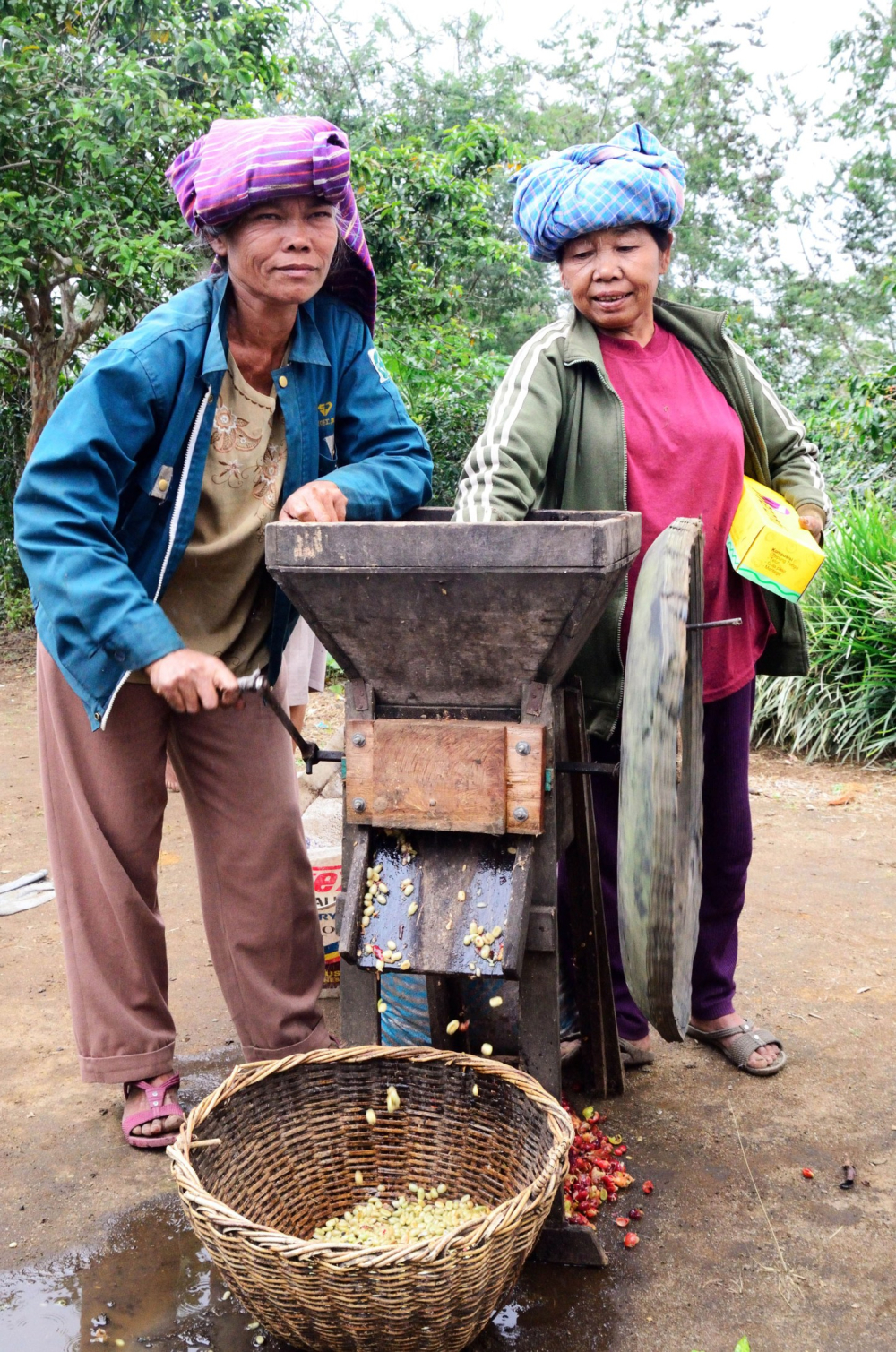
While most coffee-growing regions rely on sunlight and washing, Indonesian coffee farmers invented the unique wet hulling process to cope with the year-round humid climate. This method removes the outer shell before the parchment is fully dry, creating Mandheling's core characteristics: low acidity (pH 5.0-5.5), a full body, and herbal notes.
[Comparison Guide to Four Processing Methods]
The world's main coffee-growing regions choose processing methods based on natural conditions: Africa mostly uses natural processing to highlight floral and fruity notes, South America prefers washing for a clean cup, while Indonesia's average annual humidity of over 80% gave rise to wet hulling. This process involves seven steps: removing the pulp → 24-hour fermentation in a water tank → washing off the mucilage → sun-drying in parchment to 20-24% moisture → hulling → final drying to 12-13% → export.
[Golden Mandheling Profile]
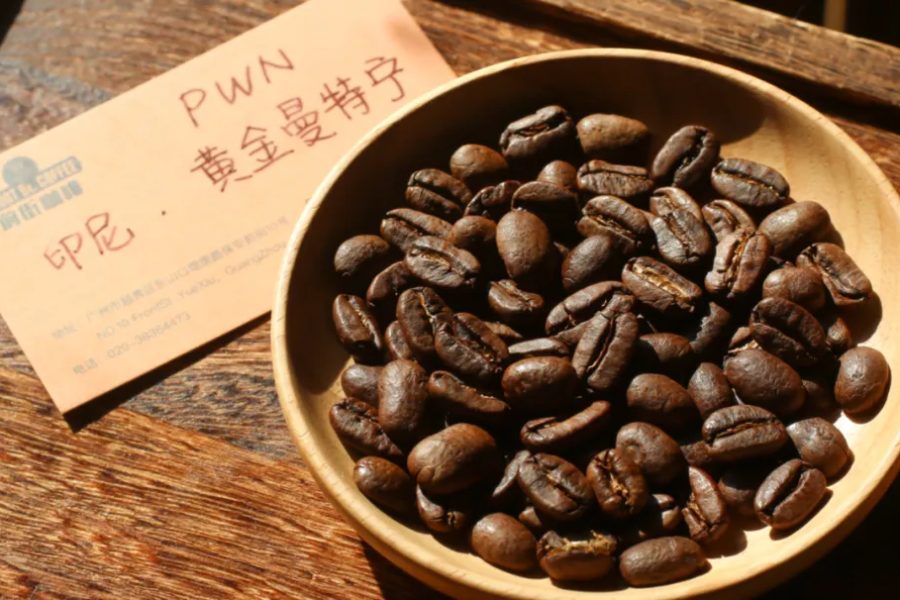
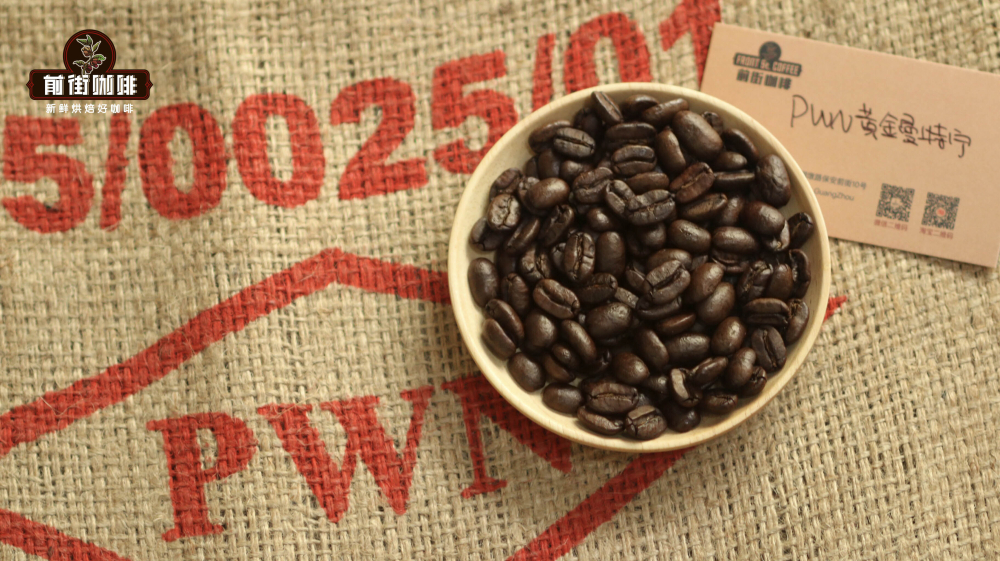
Typica variety grown at 1,100-1,600 meters in Sumatra, PWN-certified Mandheling has three major traits: ① a distinct herbal spiciness ② a sweet balance of dark chocolate and caramel ③ a three-stage flavor evolution (nuts on entry → spices in the middle → smoky finish).
[Professional Brewing Recipe]
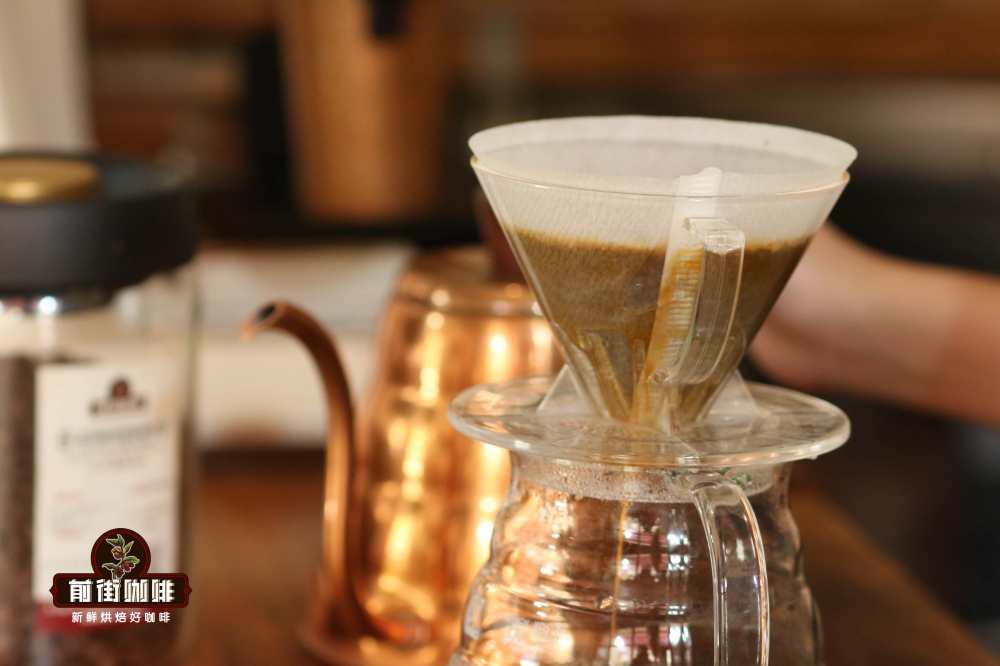
A KONO dripper is recommended (its ribs slow the water flow). Parameters: water temperature 88-90°C (avoid high temperatures that amplify defects), 1:15 coffee-to-water ratio (to enhance body), medium-fine grind with 70% passing a No. 20 sieve (similar to fine granulated sugar).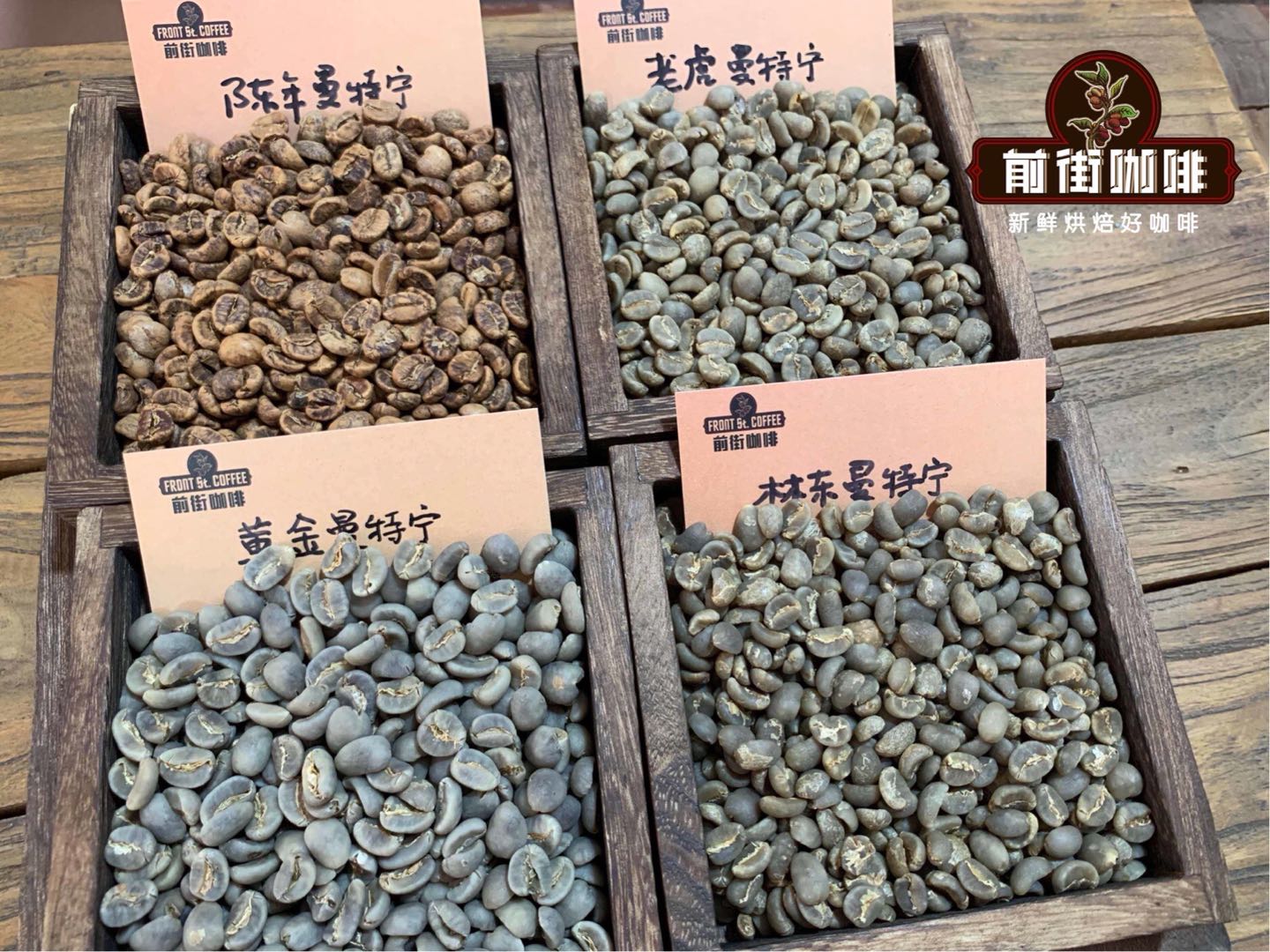
[Staged Pouring Technique in Detail]
① 30 ml bloom water (based on 20 g of coffee) to activate the grounds, lasting 30 seconds to release aroma; ② pour to 125 ml to form a swirl, and wait until the liquid level drops to the surface of the coffee bed; ③ continue to a total water volume of 225 ml, controlling the whole extraction to 2 minutes. Note that before the second pour you need to wait 15-20 seconds for the drawdown interval.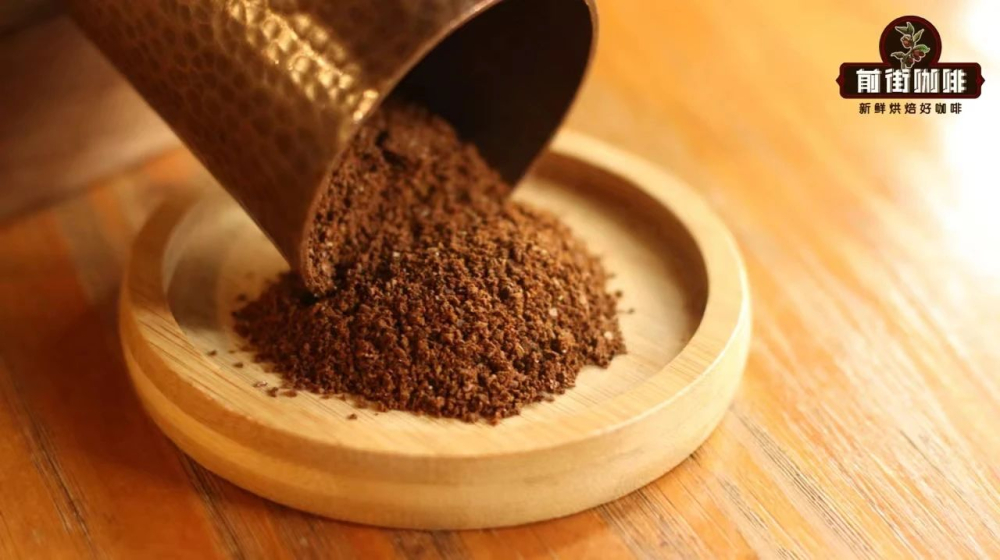
[Flavor Wheel Interpretation]
A high-quality Mandheling should show: nuts (hazelnut/almond) as the base, layered with the sweet-bitter balance of dark chocolate/cocoa, accompanied by clove/cinnamon-type spice aromas, and a finish of caramelized brown sugar. If you taste over-fermented winey acidity or a cardboard flavor, it may be due to improper storage or grinding too coarse.