Top 10 Specialty Coffee Beans Buying Guide with Pour-Over Flavor and Parameter Details
Introduction: From Ethiopia to Yunnan, a selection of the world's ten most representative specialty coffee regions, analyzing each region's core terroir characteristics and signature varieties. Detailed explanation of how altitude and processing method affect flavor, plus professional pour-over parameter references to help you find benchmark beans for gifting or personal use.
The flavor code of specialty coffee beans is hidden in the interweaving of latitude, altitude and processing craft. This article uses regions as its thread to take you on an in-depth exploration of ten globally recognized high-quality coffee regions, from the African highlands to the Latin American volcanic belt, each region has its own unique flavor map.
Ethiopia, as the gene pool of coffee, its Yirgacheffe region (altitude 1700-2100 meters) is famous for the washed processing method.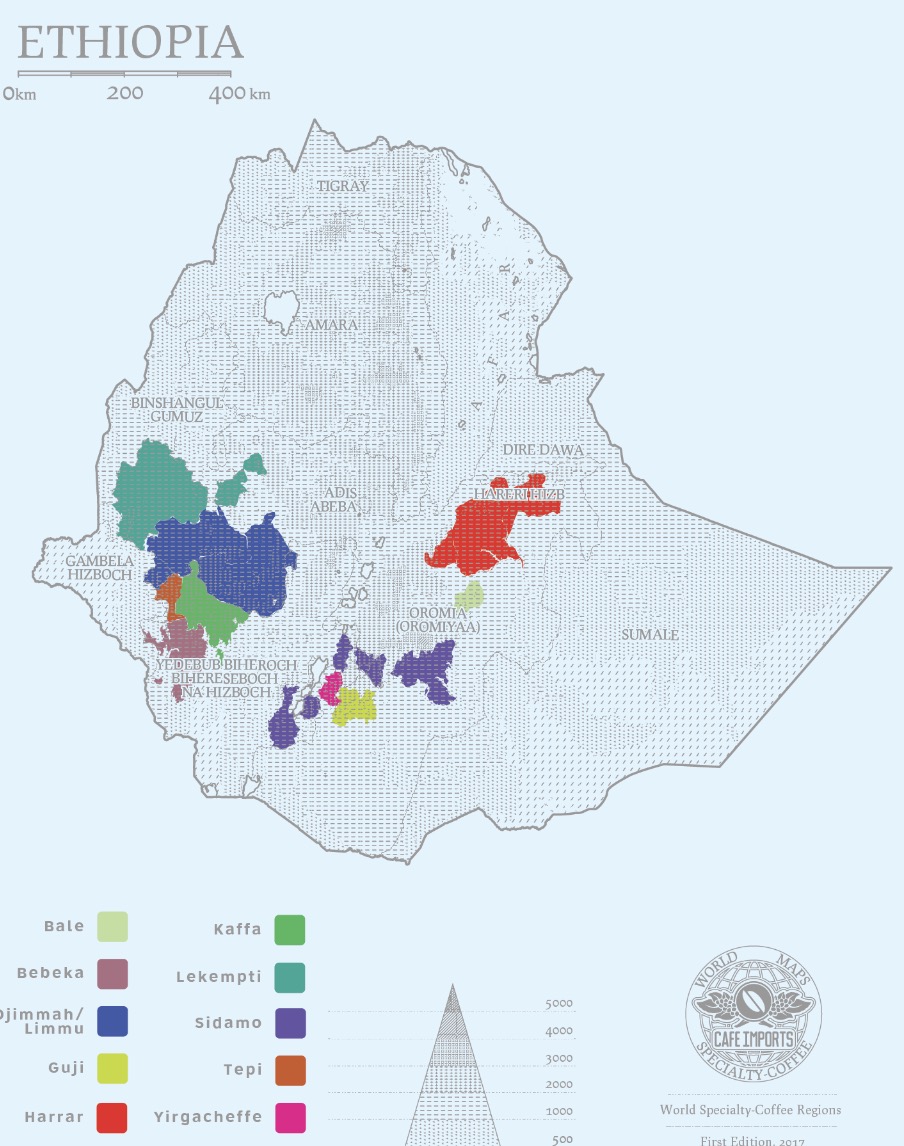 Coffee from this area presents a distinct citrus tonality (such as lemon, berries) and delicate floral notes (jasmine), with bright acidity like cold-brewed tea. Typical parameters: recommended medium-fine grind (70% passing rate on Chinese standard No. 20 sieve), water temperature 90-92°C, 1:15 coffee-to-water ratio for brewing.
The uniqueness of Kenya coffee stems from the high phosphorus content of its volcanic soil.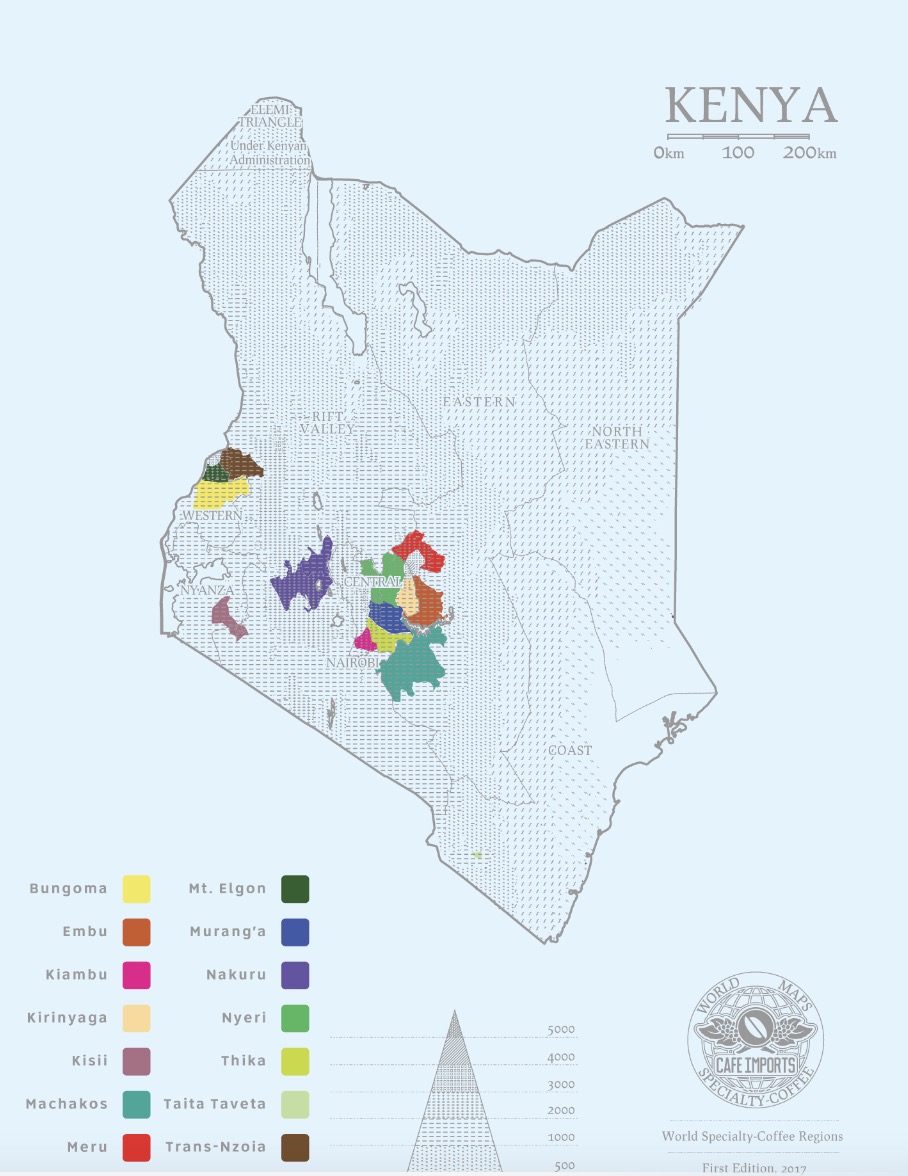 The SL28/SL34 varieties of the Thika region (1550-1750 meters), after K72 washing, present complex acidity—a bursting sensation similar to smoked plum and cherry tomato, with a yellow sugar sweetness in the finish. Note that this bean requires an extended bloom time (30 seconds or more) to stimulate the layers of fruit acidity.
Rwanda's southern Huye mountain area (1500-1700 meters) is known for Red Bourbon.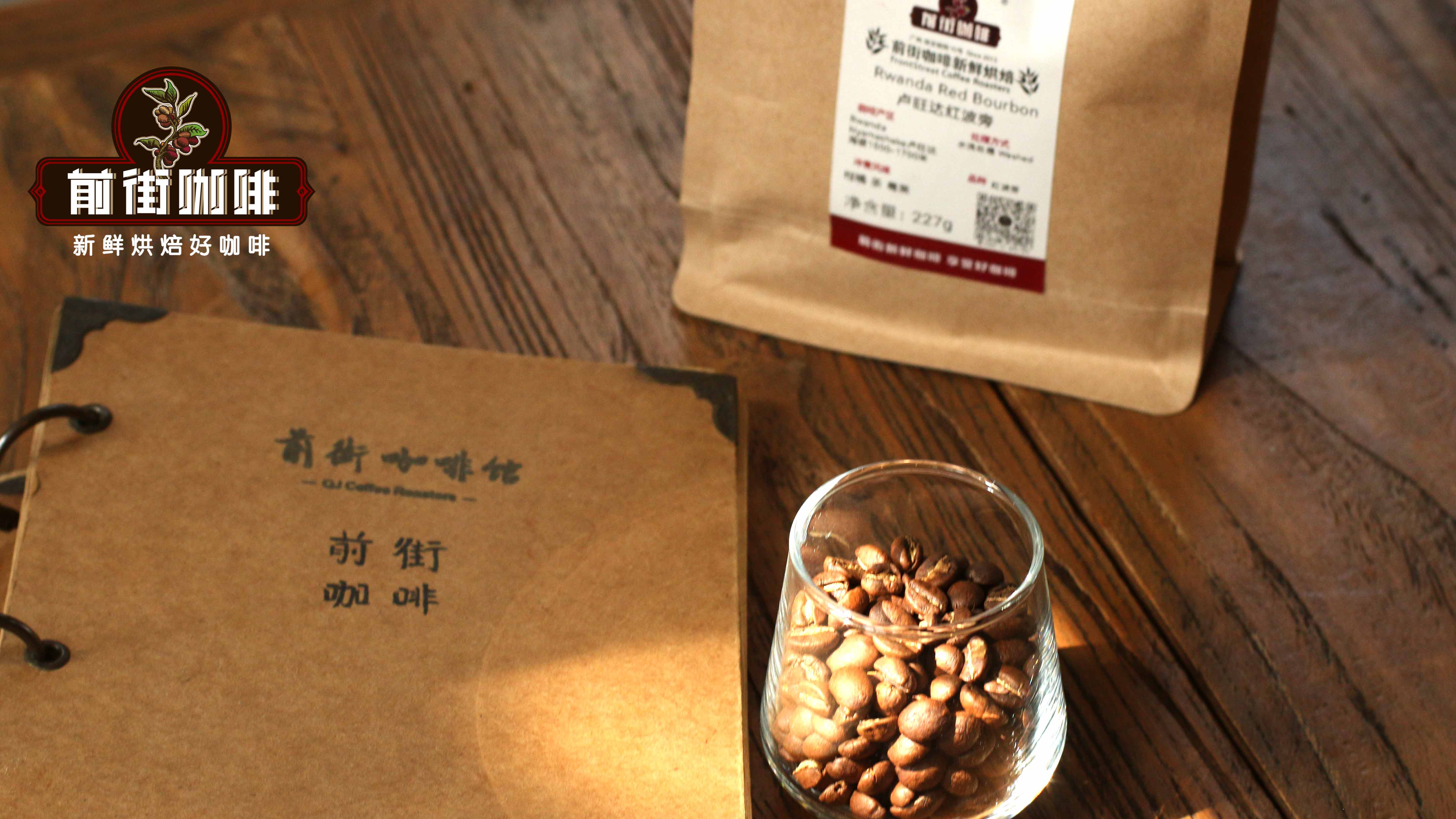 Washed beans balance the freshness of citrus with the sweetness of berries, with a noticeable tea-like body. Special note: beans from this region have higher density, so a coarser grind is recommended to avoid over-extraction.
Panama rewrote coffee history with the Geisha variety of Hacienda La Esmeralda.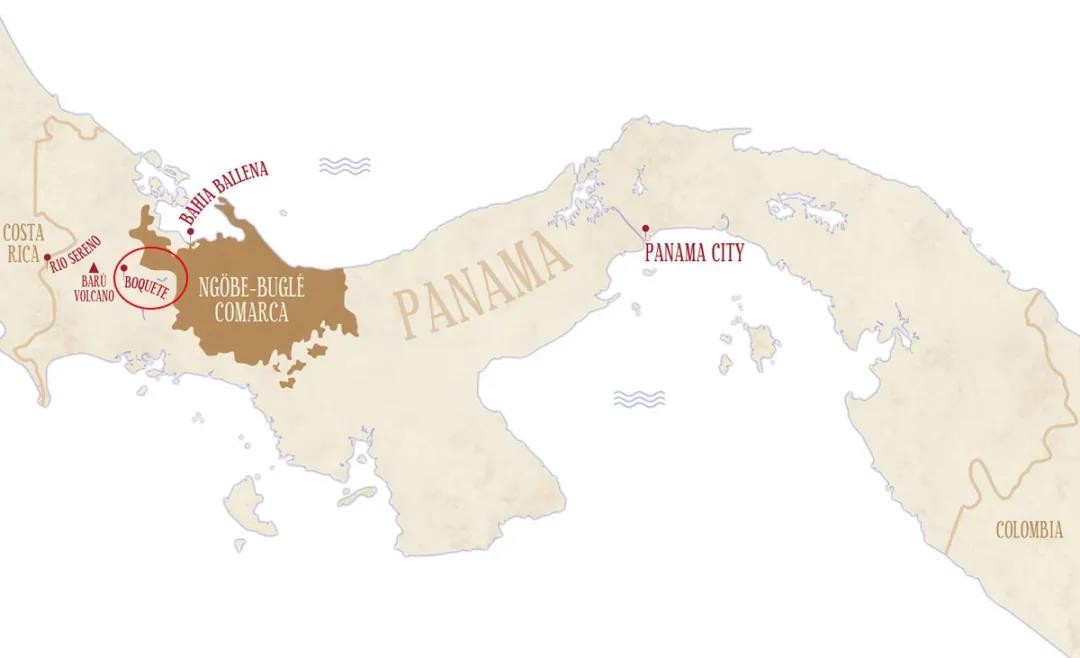 The natural processing method of the Boquete region (1400-1700 meters) creates caramel and fermented aromas, and coffee from the Diamond Mountain plot often carries a honey finish. Professional advice: use center pouring plus staged extraction during pour-over to enhance the layers of citrus and cocoa.
The Huila region of Colombia (1500-1800 meters) produces coffee with nutty tonality from the Caturra variety.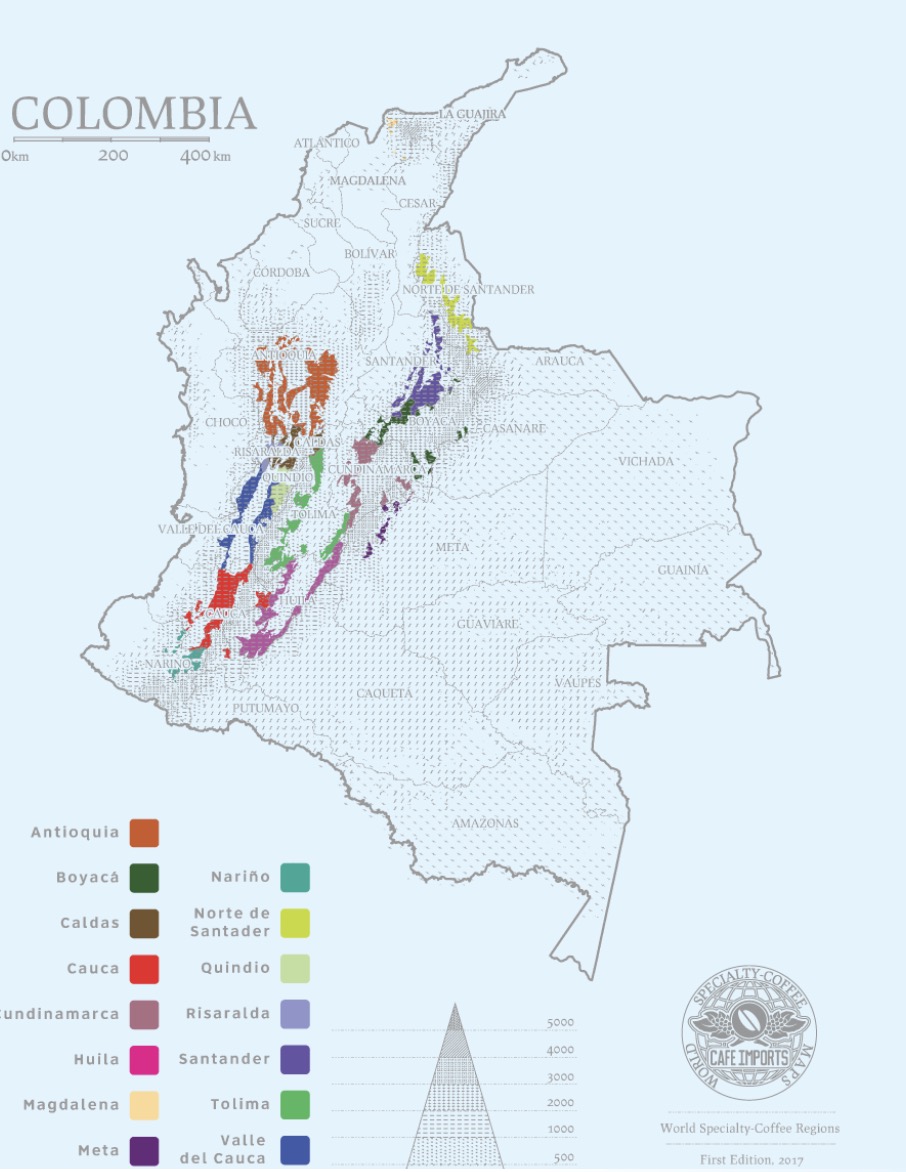 The chocolate and caramel flavors of its washed beans come from the growing environment with large day-night temperature differences, note the screening of defective beans (recommended rejection rate below 3%) to ensure purity.
The Tarrazú region of Costa Rica (1500 meters) strictly limits SHB high-altitude hard beans.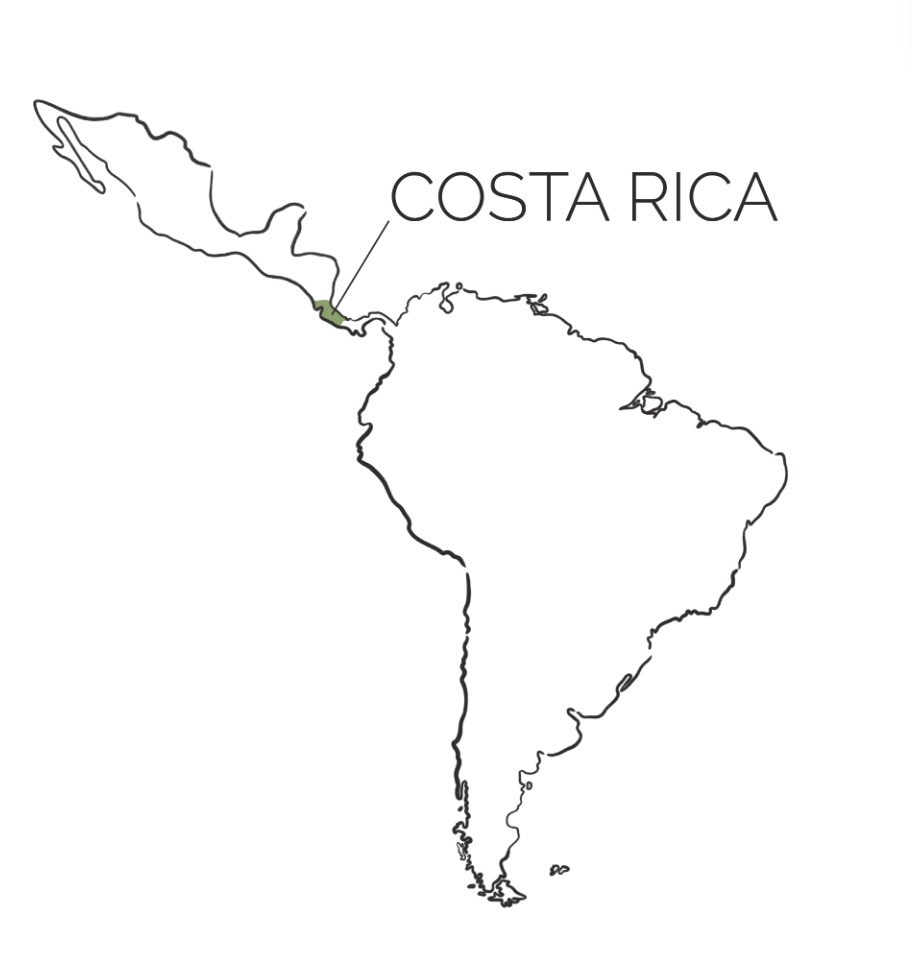 The Caturra/Catuai blend gives nutty and toffee aromas, best brewing plan: V60 dripper + 93°C water temperature, the second pour can be slightly faster to highlight sweetness.
The Cerrado region of Brazil (1000 meters), although known for low acidity, the nutty creamy tonality of the Red Bourbon variety has a unique charm.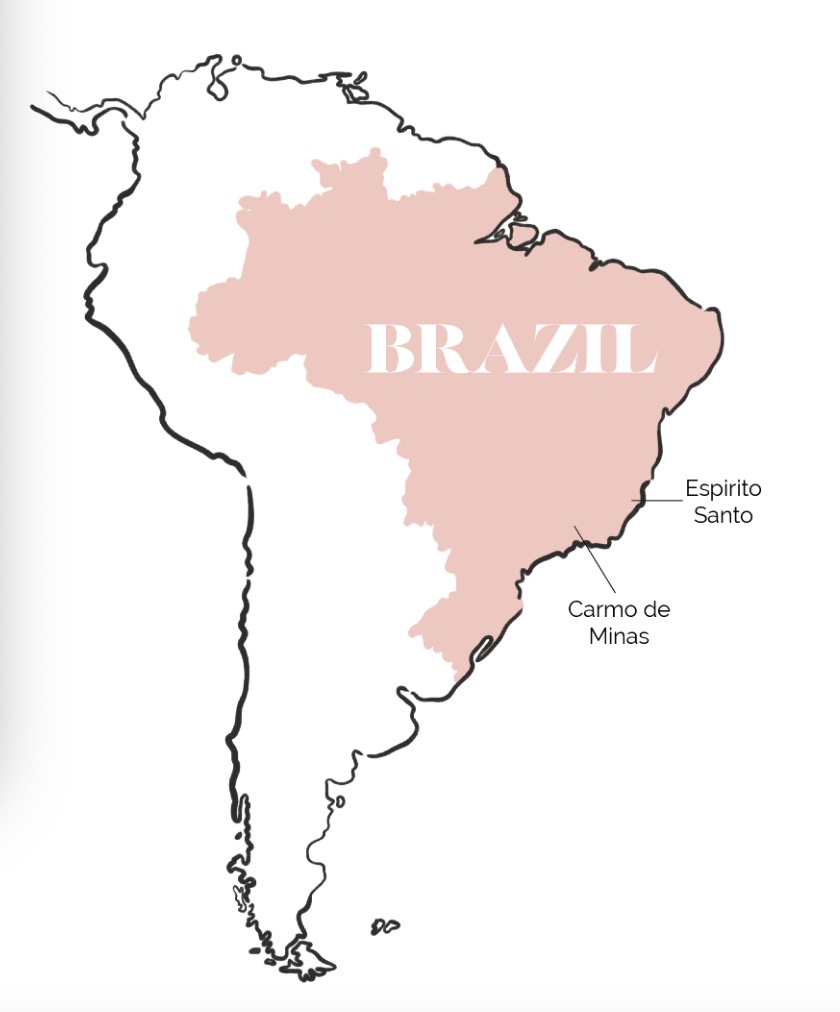 The semi-washed processing method retains more sugar; it is recommended to use a French press for extraction (4-minute immersion) to highlight the rich texture.
The Lintong region of Indonesia in Sumatra (1100-1600 meters) uses the wet-hulled method to process Mandheling.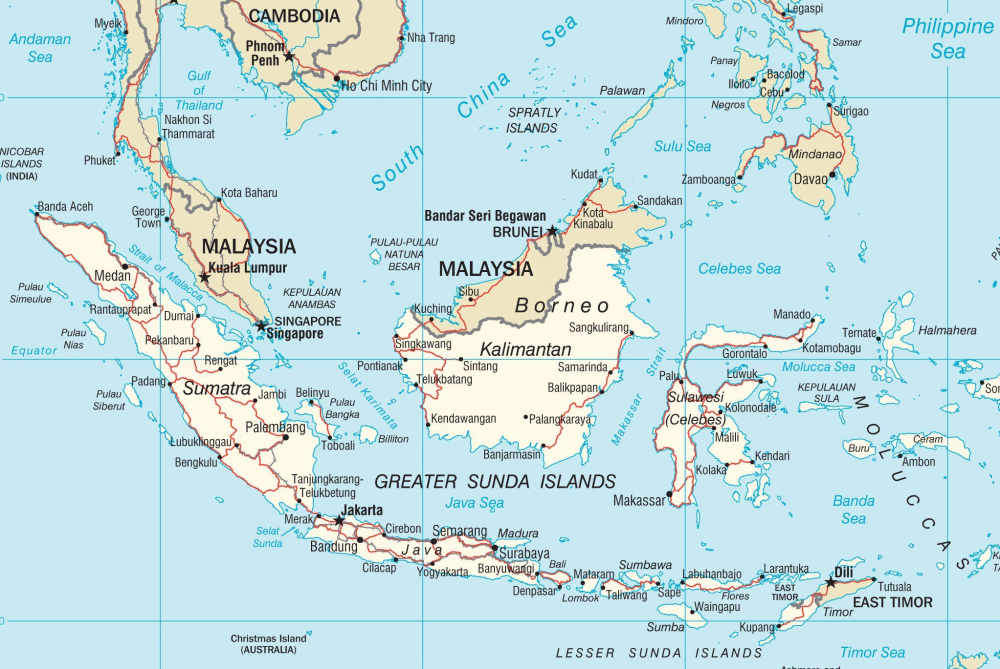 This craft forms unique herbal and pine wood flavors, grinding note: it is recommended to grind 10% coarser than regular beans to avoid excessive bitterness. Golden Mandheling undergoes three rounds of hand sorting, with a defect rate below 0.5%.
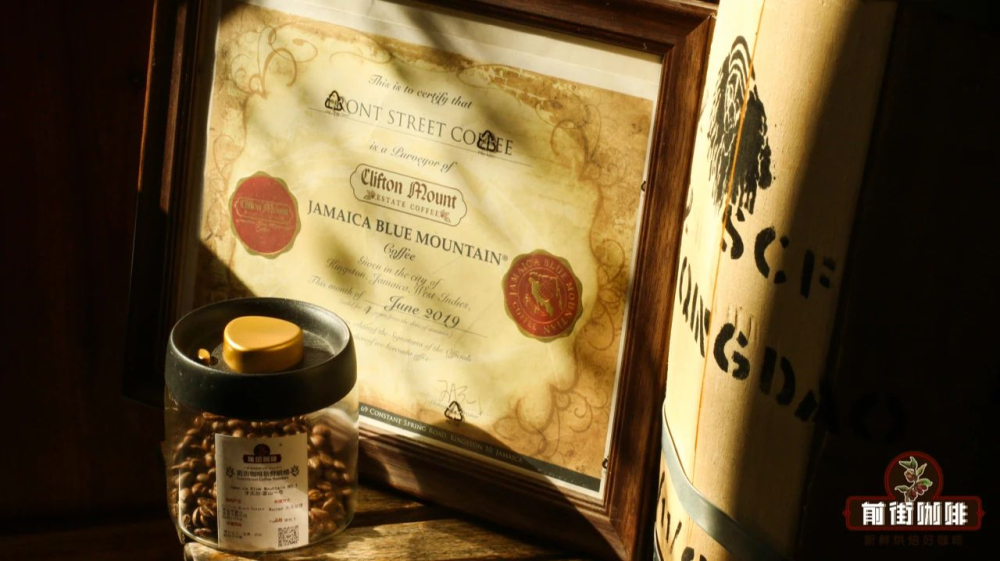
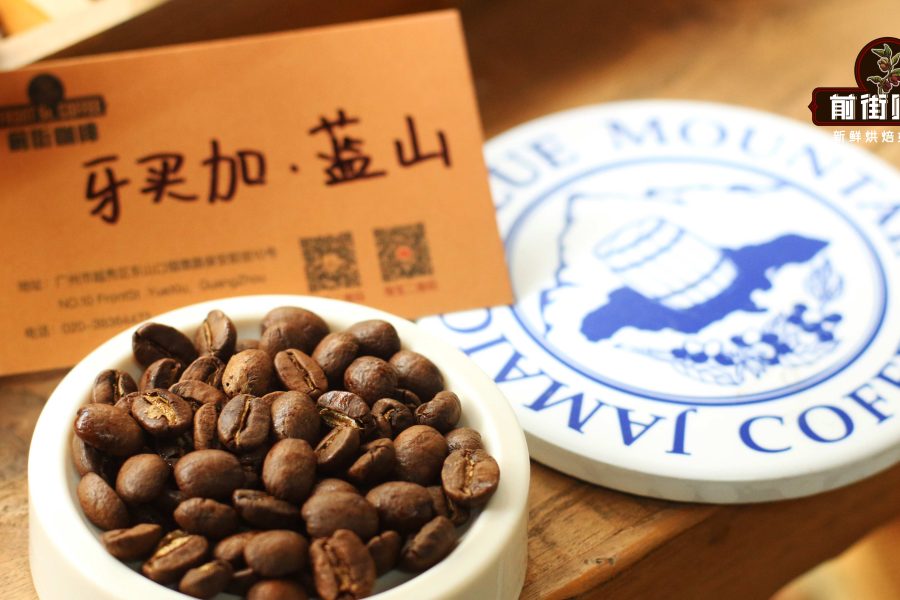
Jamaica Blue Mountain (altitude 1310 meters) is known for the balance of its Typica variety.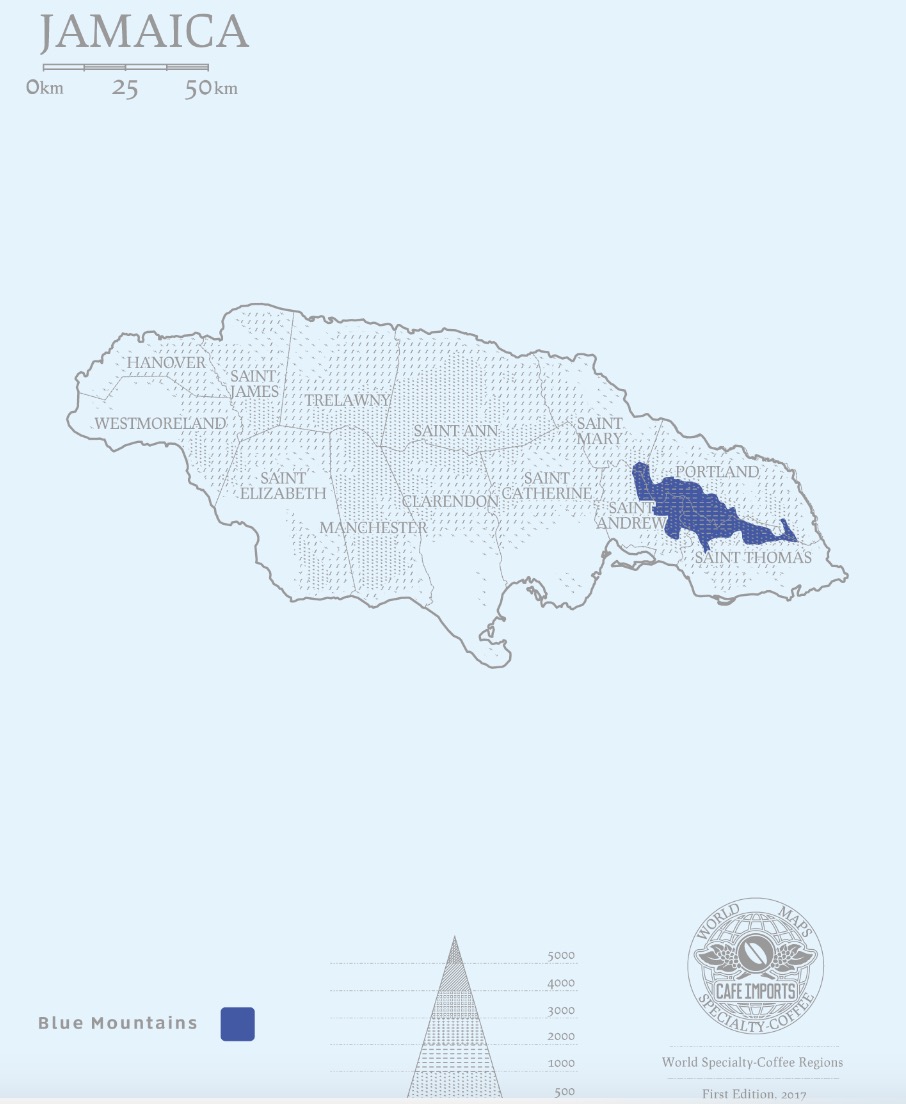 Coffee from Rainforest Alliance certified estates requires a fine grind (Chinese standard No. 18 sieve) and low-temperature extraction at 88-90°C to present the delicate balance of dark chocolate and nuts.
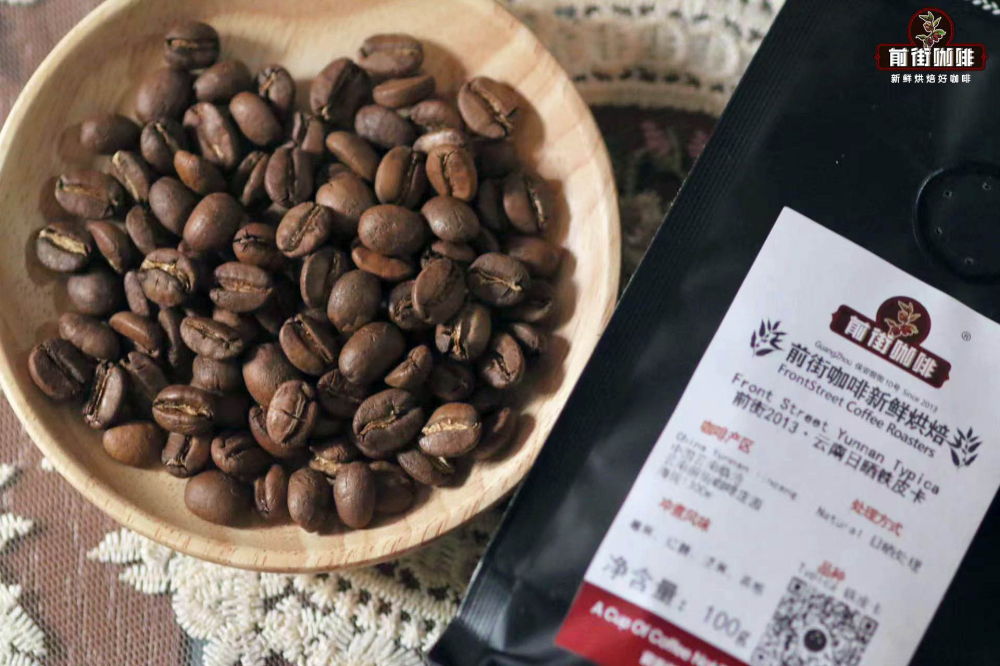
The ancient Typica variety of the Yunnan, China Lincang region (1300 meters), after natural processing, presents a complex aroma of black tea and berries.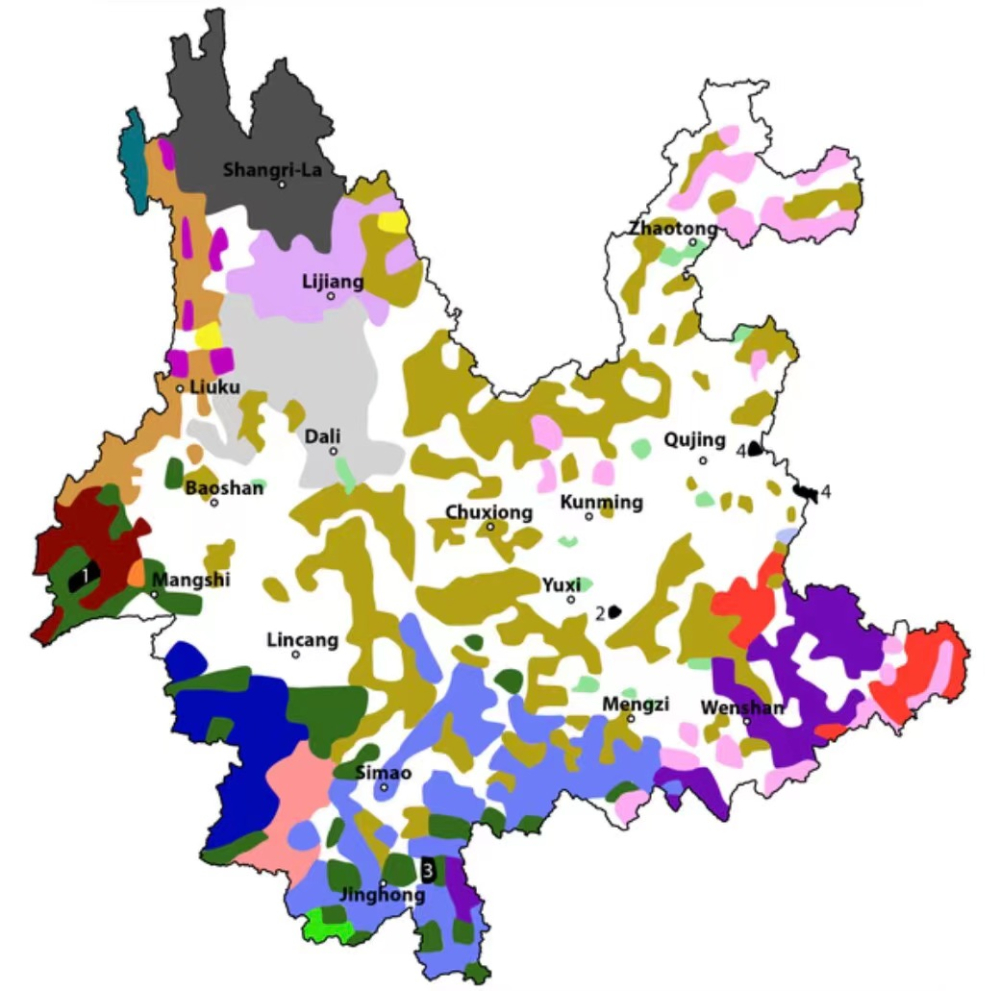 For this bean, it is recommended to use a fan-shaped dripper (such as Kalita Wave) to slow the flow rate and highlight the brown sugar finish within the rich base.
Buying advice: For gifting, prioritize Yirgacheffe (fresh fruit acidity), Blue Mountain (balanced classic) or Golden Mandheling (rich and distinctive); for personal use, adjust according to your brewing equipment—pour-over suits bright, high-acidity African beans, while espresso machines are better suited to balanced varieties from Brazil or Colombia.