Cold brew, ice drip and iced americano: the differences and a full brewing guide
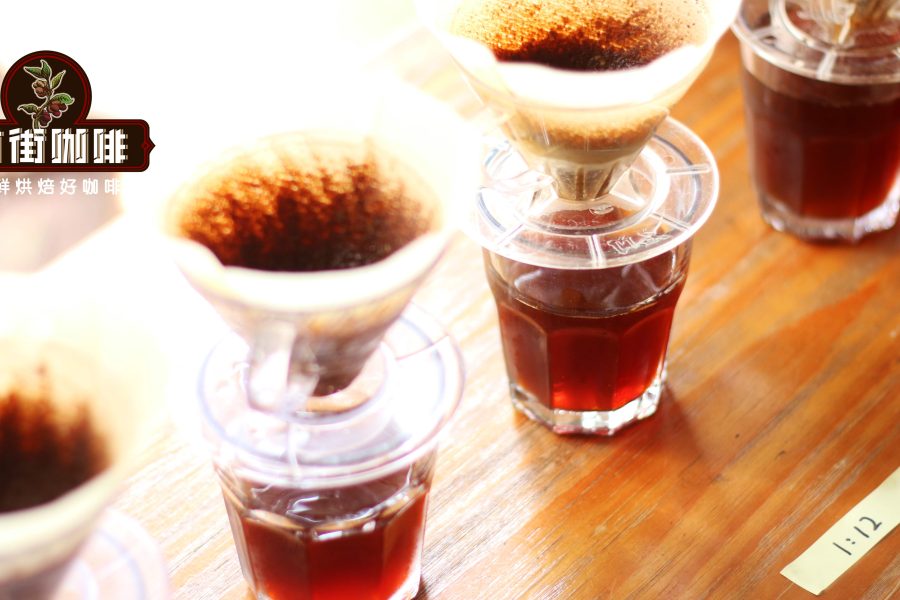
Introduction: Want a refreshing iced coffee that isn't bitter, but can't tell how cold brew, ice drip and iced americano differ? This article explains in detail the extraction principles, flavor differences and key home-brewing points of these three mainstream iced coffees, from coffee-to-water ratio to equipment choice, helping you easily master the unique appeal of each type and find the iced coffee brewing plan that best suits your taste.
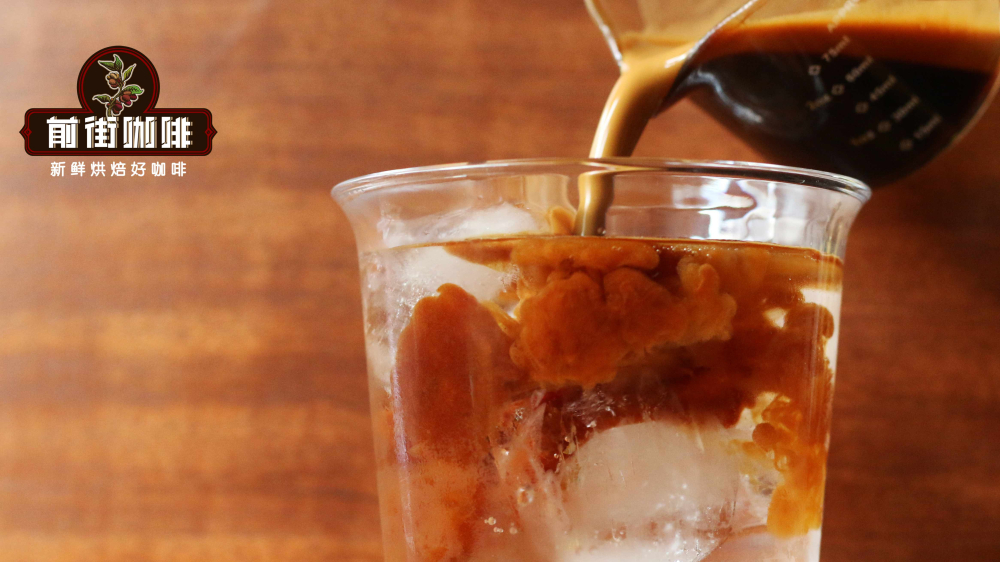
Iced coffee on the market can be broadly divided into two categories: one is the hot-brewed type, in which hot water extracts quickly and ice is then added to cool it down, such as the most common iced americano. You only need to make espresso in advance and add water or ice water in proportion; this method preserves the coffee's aroma and body relatively well, but the taste tends to be bitter, suiting consumers who like intense coffee flavors.
The other category uses low-temperature or room-temperature water for long extraction, including cold brew and ice drip coffee. These two methods are especially popular in summer thanks to their gentler mouthfeel and rich layers of flavor. Note that for a more balanced flavor, it is advisable to choose medium-light roasted coffee beans first and avoid dark roasts, which otherwise easily produce an overly burnt-bitter feel.

Cold brew coffee is mainly made through a long-steep cold-water process. Its barrier to entry is low: just prepare a clean sealed container, an appropriate amount of ground coffee and cold or ice water, and use the refrigerator's low-temperature environment to brew easily. The basic process is to mix ground coffee with room-temperature water in proportion, let it stand for several hours, then filter; it is very suitable for everyday home brewing.
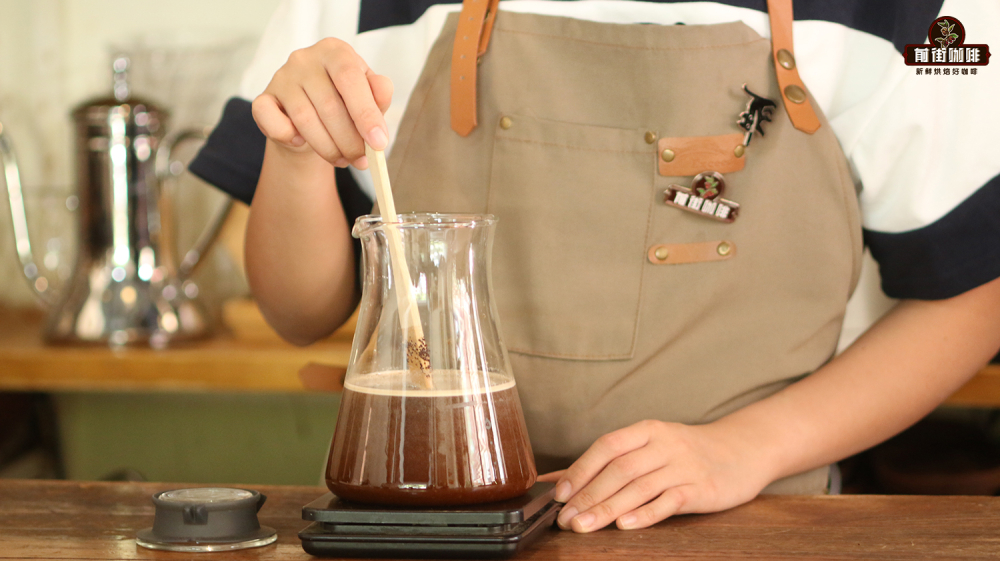
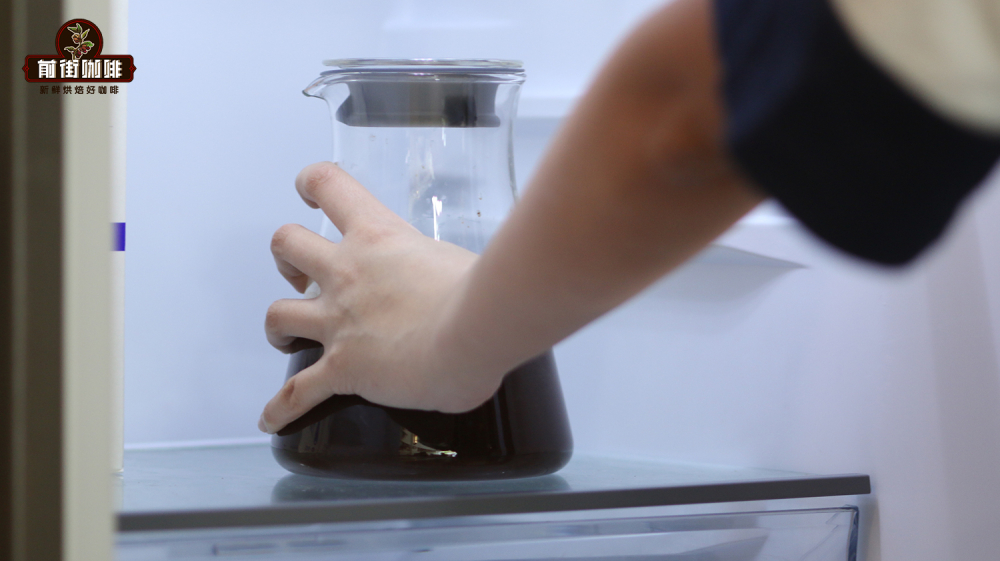
The common steps for making cold brew coffee at home are as follows: first, pour pre-ground coffee into a sealable glass bottle; next, add room-temperature or ice water at a coffee-to-water ratio of about 1:10, and stir thoroughly to make sure the grounds are evenly wet; then seal the container and put it in the refrigerator to stand for 8 to 12 hours; finally, separate the coffee liquid from the grounds with a strainer or filter cloth, put the filtered coffee liquid into a clean sealed bottle, store it in the refrigerator and drink it as needed.
By comparison, ice drip coffee requires more specialized preparation, relying on a dedicated drip-brewing device—the ice drip pot. Such devices come in many styles on the market, from simple versions costing a few dozen yuan to high-end models costing over a thousand yuan, but their core structure usually consists of three parts: an upper water-dropper that holds ice water and regulates its drip rate, a middle filter cup that holds the ground coffee, and a bottom collection pot that receives the extracted liquid.
In practice, ice water drips at an extremely slow rate (on average one drop every 1–2 seconds) through the layer of ground coffee, and gravity gradually dissolves the flavor compounds and carries them down into the lower pot. Because the whole process stays at low temperature and the drip rate is slow, bitter impurities in the coffee are not easily extracted, yielding a purer, more refreshing taste. This slow and steady extraction also makes the coffee's flavor more delicate.
Taking common home ice drip brewing as an example, a coffee-to-liquid ratio of about 1:10 is generally recommended, for instance 60 grams of ground coffee with 600 milliliters of water. The drip frequency of the ice water is usually controlled at about 7–8 drops every 10 seconds, and the whole extraction process generally lasts 5 to 8 hours depending on the amount of coffee and the drip rate. During this time, watch whether the drip nozzle clogs because of the low temperature, and adjust it in good time to keep the drip rate steady. Compared with statically steeped cold brew, ice drip is a dynamic extraction—the ice water and grounds are not fully immersed in contact throughout—so the final coffee liquid tends to taste clearer and cleaner.
It is worth noting that after the basic extraction, ice drip coffee usually also needs a standing stage of "low-temperature aging," also called the "bean-resting period," which helps further develop the coffee's unique flavor—what many people call the "ice drip taste." Specifically, put the extracted coffee liquid into a clean sealed bottle, refrigerate it for more than 8 hours, and once the flavor has stabilized, add an appropriate amount of ice to taste and enjoy.
Besides flavor differences, the three iced coffees each have their own characteristics in terms of brewing convenience. Because iced americano relies on espresso made in advance, it suits households or cafés that already have an espresso machine; cold brew wins on being simple to make and highly forgiving, needing almost no special tools—just a refrigerator and a container; and ice drip, though the most refreshing and clean in flavor, requires dedicated equipment and a longer production cycle, making it better suited to coffee lovers who pursue the ultimate flavor experience and are willing to invest time.
When choosing coffee beans, no matter which brewing method, it is advisable to give priority to freshly roasted medium-light roasted beans. Such beans usually have richer fruity acidity and floral aromas, and can show more delicate layers under low-temperature extraction. In addition, beans from different origins and processing methods also bring distinctly different flavor profiles, and consumers can try flexibly according to personal preference.
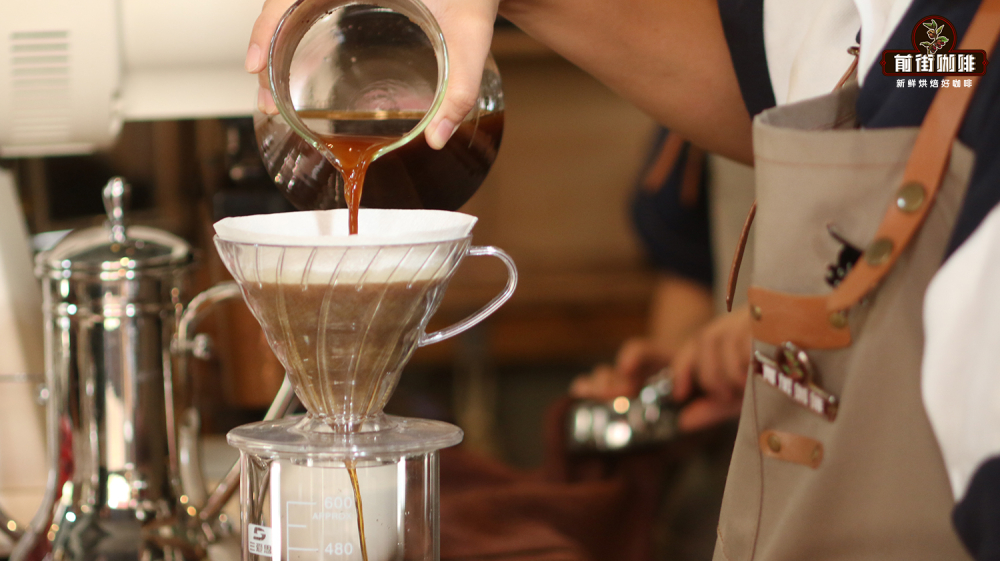
In summary, iced americano, cold brew and ice drip coffee each have their own features: iced americano is aromatic and full-bodied but rather bitter; cold brew is simple to make, mild in flavor and easy to store; ice drip, with its slow dynamic extraction, brings the ultimate clear and clean taste experience. Having understood these differences, you can easily choose or try making the cup of iced coffee that best suits you, according to your own taste preferences and equipment conditions.

Whether it is the everyday iced americano for efficiency or the cold brew and ice drip for the pleasure of slow extraction, mastering the correct parameters and operational details will let you enjoy a cup of high-quality iced coffee with a unique flavor that cools and refreshes you in the hot summer.